Last updated November 21, 2026
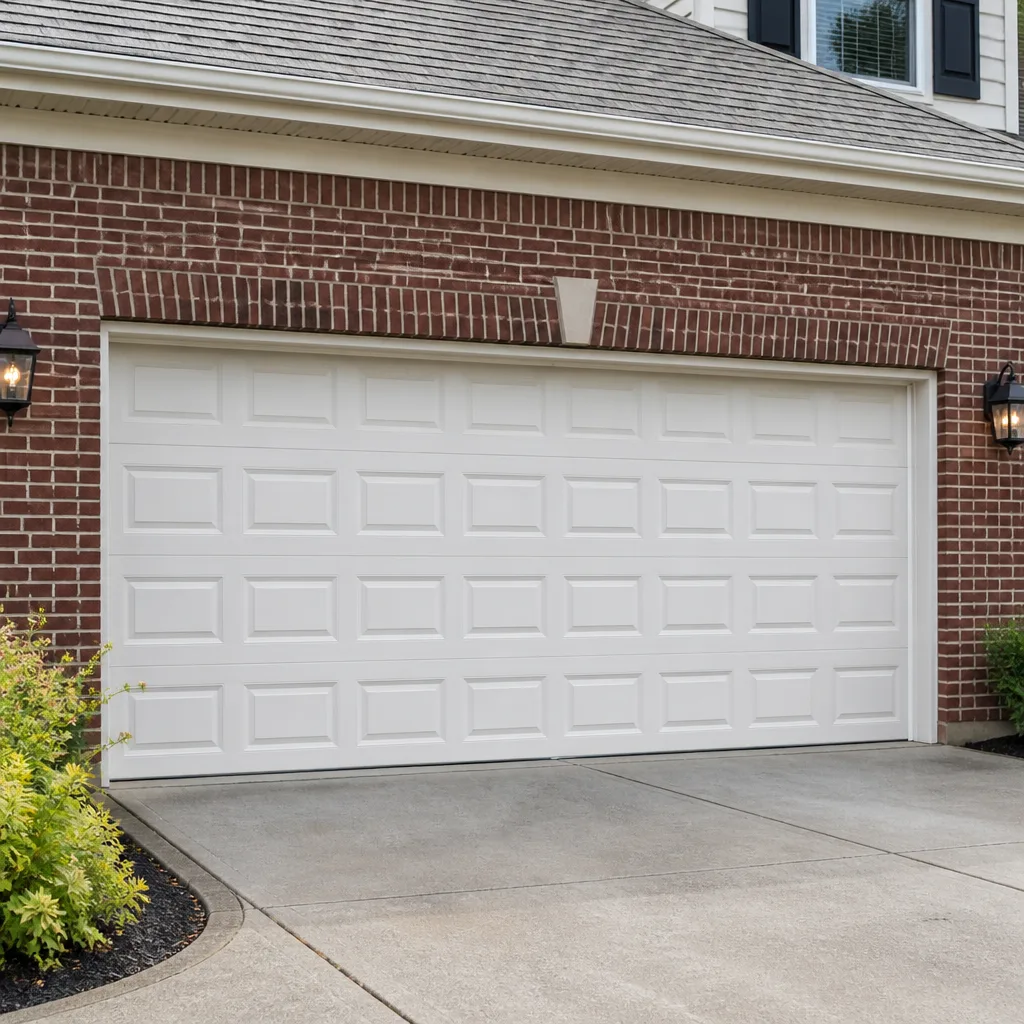 Raised-panel steel
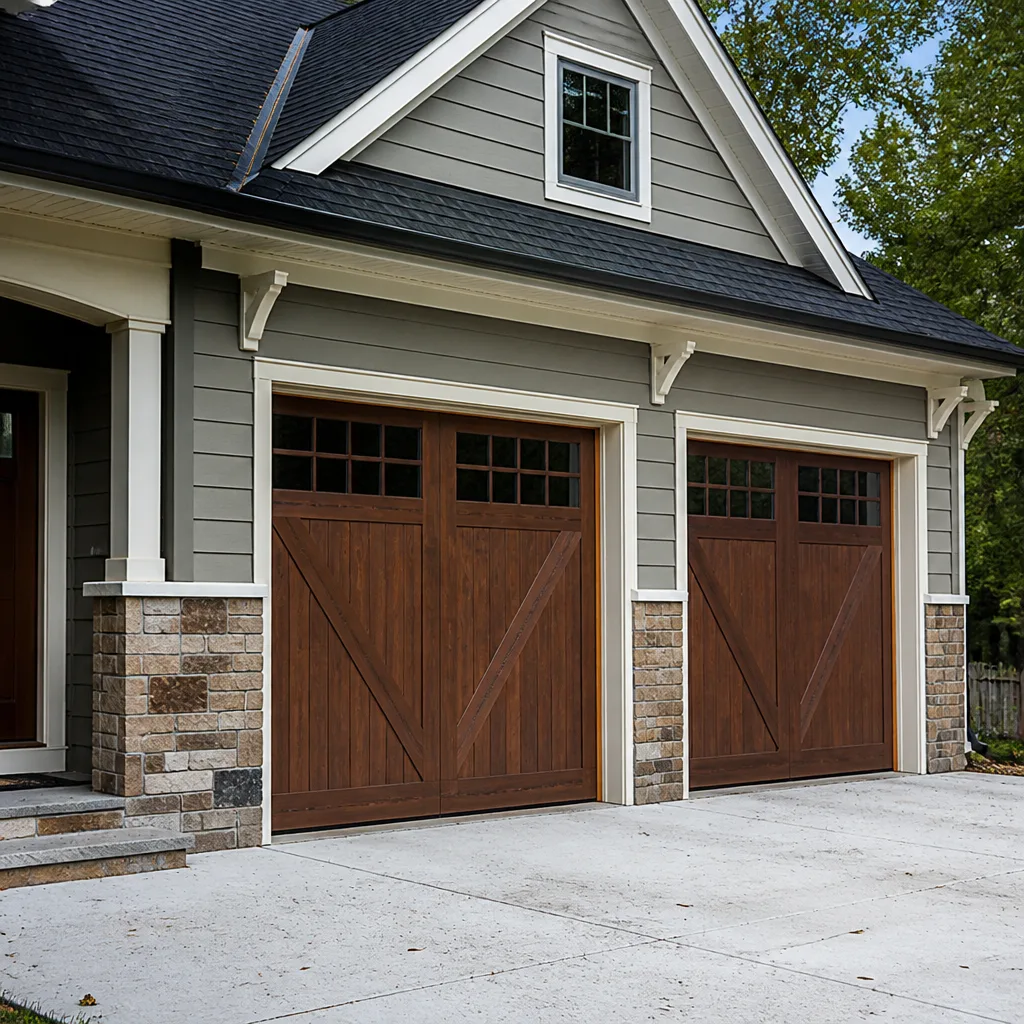 Carriage house
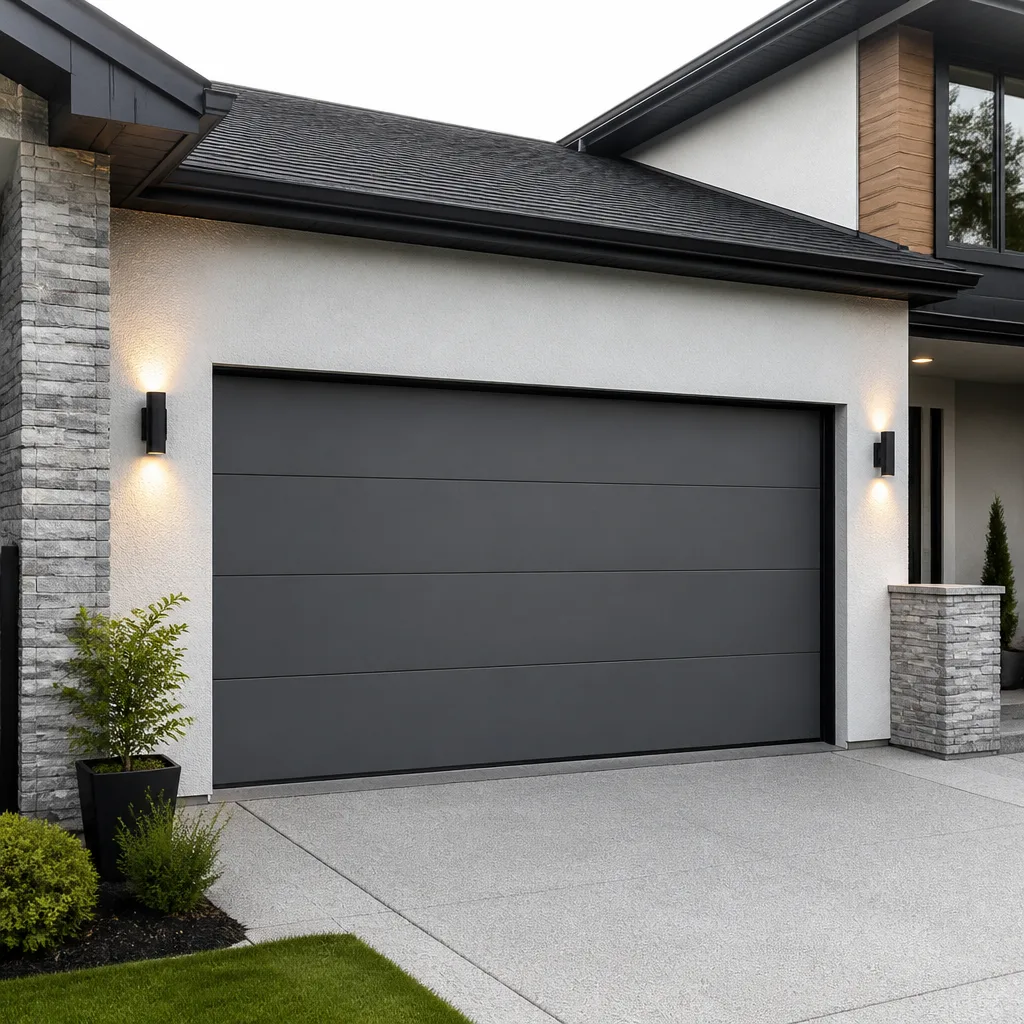 Modern flush
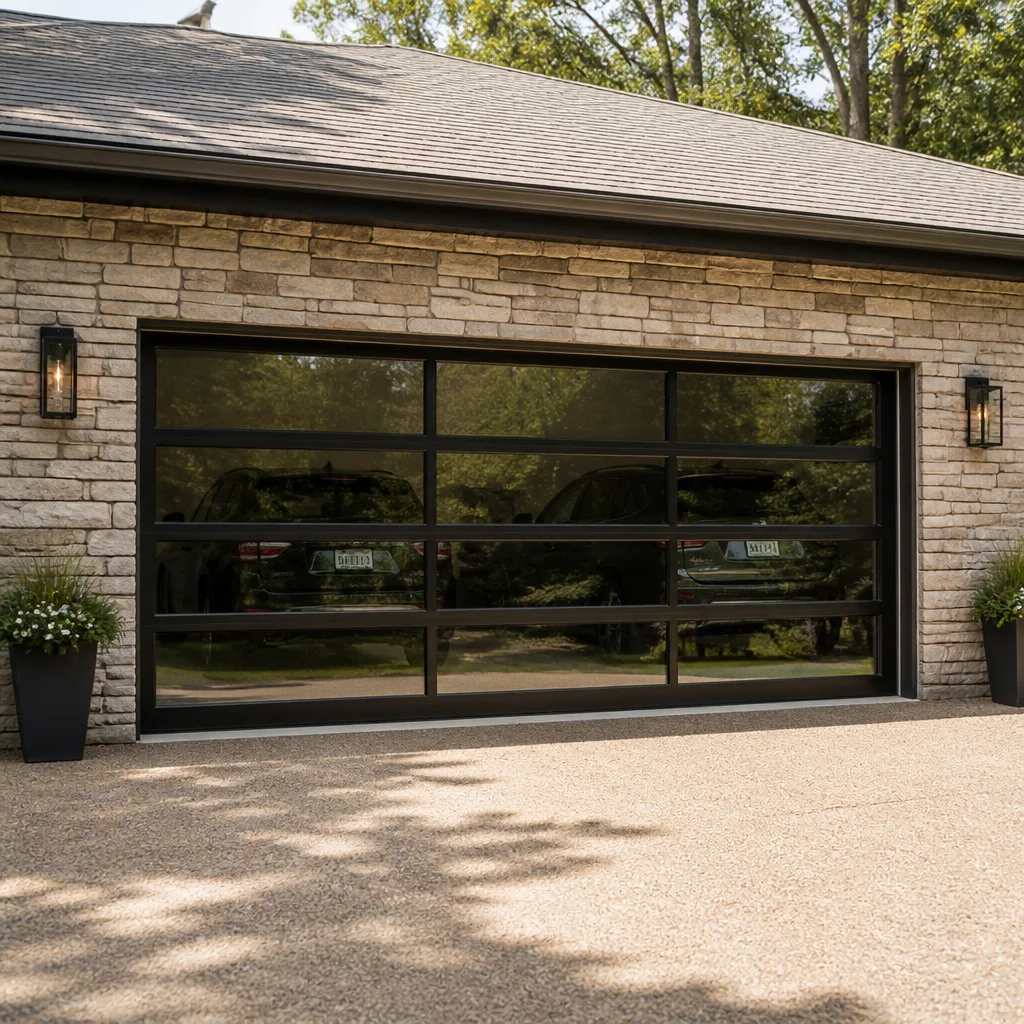 Full-view glass
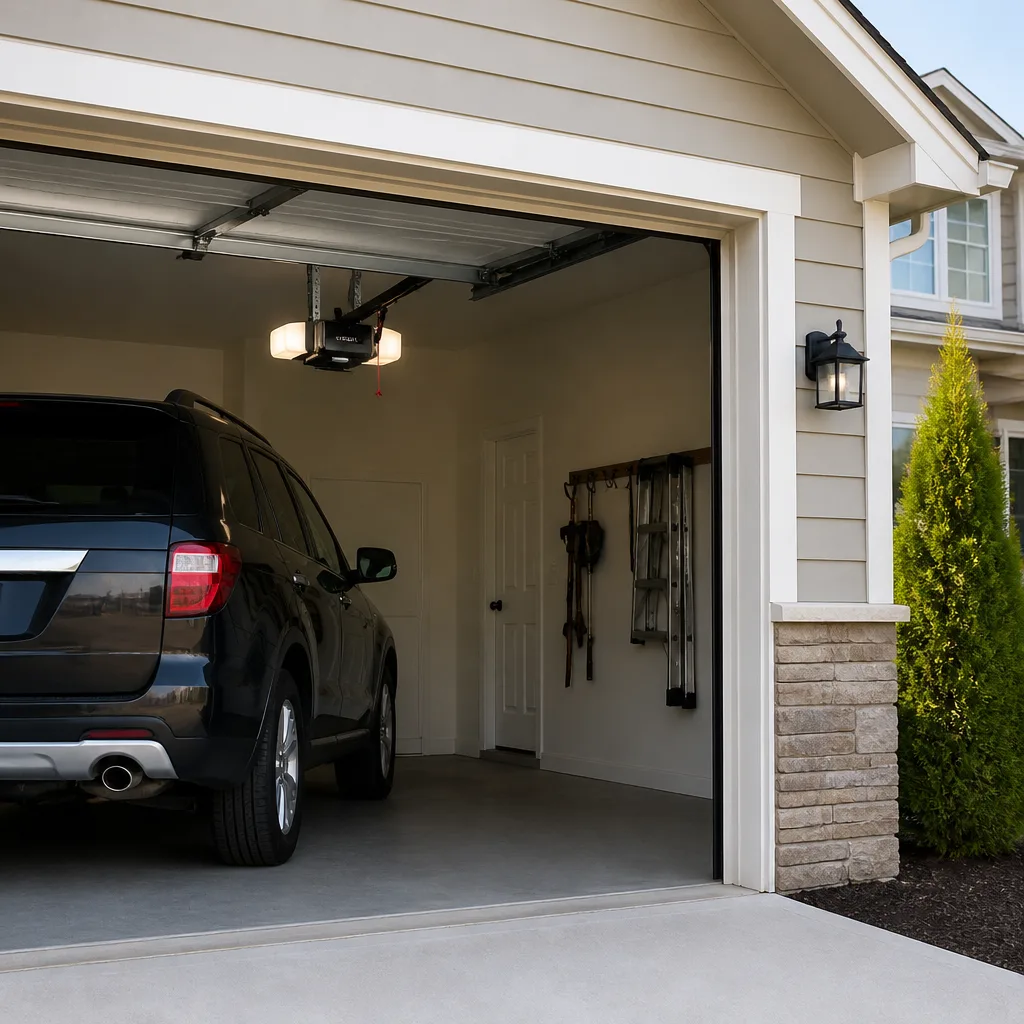 LiftMaster openers
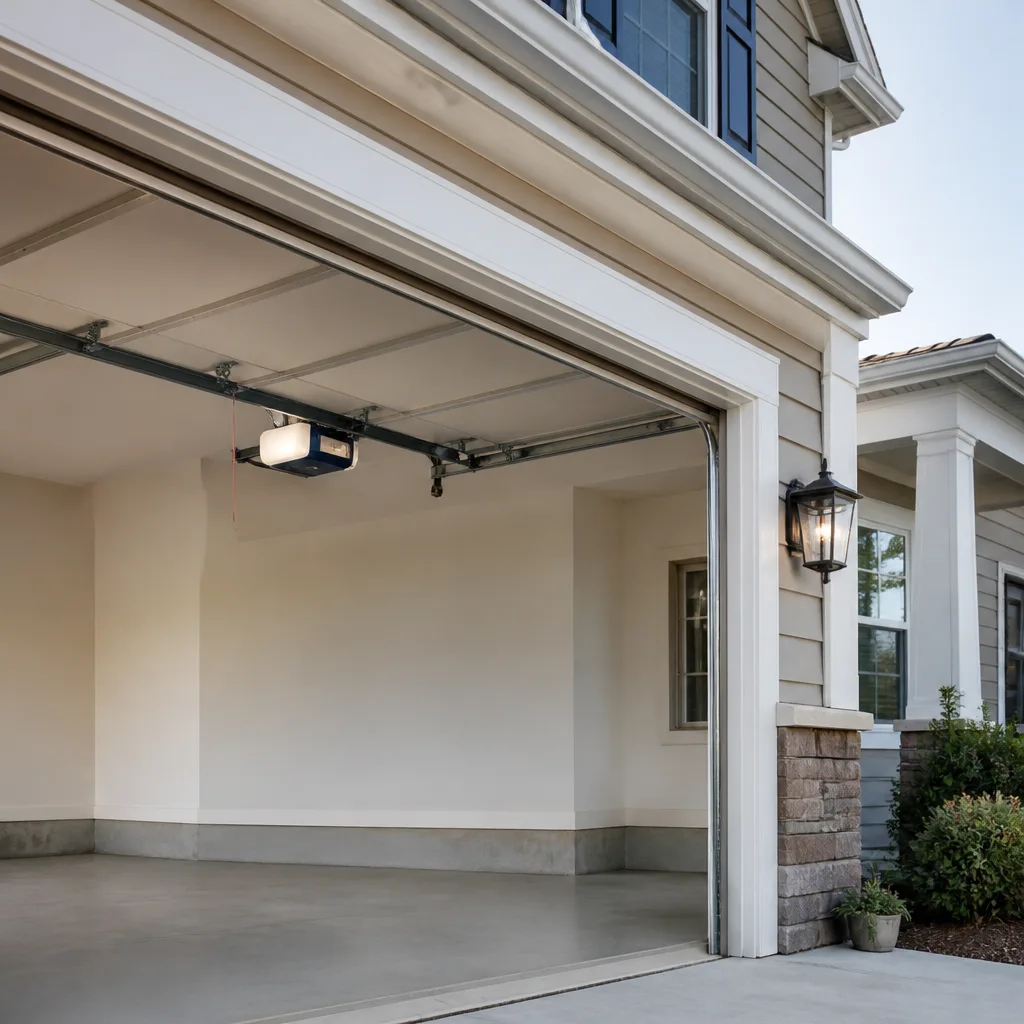 Chamberlain openers
Full 25-point door and opener safety check with every visit - springs, cables, rollers, tracks, and your LiftMaster or Chamberlain opener included
You get a price before we start. It does not change when the pro arrives.
Get your free estimateGarage Door Repair Maintenance Checklist for Fordham Homeowners
Most people think a garage door wears out from use. In Fordham, it’s usually the winter street treatment that gets it first. Salt spray drifts off the road and settles on the coils, and by the time you notice anything, corrosion has already eaten into the metal. A standard oil-and-go routine won’t stop that. What follows is a checklist built around how doors actually age in Fordham – the humidity swings, the salt exposure, the vibration from nearby transit corridors – and what a failing part looks like before it turns into a repair bill.
Quick Answer
A good garage door maintenance checklist for Fordham covers four things: a monthly visual inspection for salt crust and coil spotting, a balance test you can do safely without touching the springs, seasonal lubrication with a lithium-based grease (not WD-40), and a track alignment check with a 48-inch level. Do these four consistently and you’ll catch most failures early. Anything involving springs, cables, or the opener’s internal wiring should go to a trained technician. Our technicians have up to 9 years of experience diagnosing exactly these problems, and we work on eight major brands including LiftMaster, Chamberlain, Genie, and Clopay.
Styles & brands we work with
- Raised-panel steel
- Carriage house
- Modern flush
- Full-view glass
- LiftMaster openers
- Chamberlain openers
Table of Contents
- Why Fordham Garage Doors Age Differently
- The Monthly Visual Check: Salt, Coils, and Seals
- Testing Balance and Spring Tension Safely
- Vibration Fatigue Near the 4/B/D Corridors
- Track Alignment with a 48-Inch Level
- Seasonal Lubrication: Why Lithium Grease Beats WD-40
- Opener and Remote Checks
- A Full Seasonal Calendar for Fordham
Why Fordham Garage Doors Age Differently
A manufacturer’s maintenance guide is written for a generic climate. Fordham isn’t generic. The neighborhood sits in a part of the Bronx that sees hard freezes in January and muggy, humid stretches in July, and the swing between those two extremes is what does the damage. Metal expands and contracts. Lubricant thins in summer heat and thickens in winter cold. Rubber seals harden, crack, and lose their grip.
Add the street factor. Winter road treatments don’t stay on the road. Plows and traffic throw a fine salt mist that drifts onto driveways, and it lands on the lowest part of your door first: the bottom seal and the bottom bracket area. Over a few seasons, that crust builds up and starts working its way into the coil surfaces above.
The result is predictable. Springs that should hit their rated cycle count fail early. Bottom seals that should last years crack and let in drafts. Rollers that should glide start to grind. None of this shows up in a brand manual because the manual wasn’t written with Fordham in mind.
There’s a second factor specific to dense neighborhoods: vibration. Homes near elevated transit lines feel a low, constant rumble that works its way into structure and hardware. On a garage door, that shows up in loosened fasteners, worn rollers, and hinges that develop play long before they’d fail from normal operation alone.
So a Fordham checklist has to account for three things a generic guide skips: salt exposure, humidity swings, and structural vibration. That’s the framework for everything below. If a door has already failed and won’t close, our Garage Door Repair Fordham team can help same day rather than waiting on a scheduled visit.
The Monthly Visual Check: Salt, Coils, and Seals
This is the check most homeowners skip, and it’s the one that matters most in Fordham. It takes about five minutes with a flashlight and a rag, and it catches the early corrosion that leads to spring failure. You’re not repairing anything here. You’re spotting problems.
Work through it in this order, lowest to highest:
- Bottom seal. Look for white or gray crust where the rubber meets the ground. That’s dried road salt. Wipe it with a damp rag. If the rubber is stiff, cracked, or no longer making contact across the full width, it needs replacing.
- Bottom bracket and lower panel. Check for rust bloom around the bracket bolts. A little surface oxidation is normal. Flaking metal is not.
- Coils (springs). Shine the light along the spring above the door. Look for dark spotting, pitting, or powder-like rust on the coils. Salt-accelerated corrosion shows up as irregular dark patches first, not a uniform coating. Spotting is your early warning.
- Cables. Look for frayed strands or rust along the cable run. Fraying means the cable is close to failing.
- Hinges and rollers. Check for rust, play, or missing screws.
- Weatherstripping around the frame. Feel for gaps between the door edge and the frame when closed.
Do this on the first of each month and note anything new. A bottom seal with light salt crust and a clean spring is fine. A spring with dark spotting near the bottom coils is worth a call even if the door still works.
What a failure looks like: a spring doesn’t usually snap without warning. It shows corrosion spotting, then a subtle sag, then a snap. Catching the spotting stage is the whole point of this check.
Testing Balance and Spring Tension Safely
This is the one diagnostic you can do yourself without risk, because you never touch the springs. It tells you whether the springs are still carrying their share of the door’s weight or whether the opener is doing all the work. A door that’s out of balance strains the opener, wears the springs faster, and can drop unexpectedly.
The balance test, step by step:
- Close the door and disconnect the opener using the manual release cord (usually a red handle hanging from the rail).
- Lift the door by hand to about halfway open.
- Let go. A balanced door should hold roughly where you left it.
- If it sags toward the floor, the springs have lost tension.
- If it drifts upward, the springs are overtensioned.
- If it does neither and holds, the balance is good.
Do this with the door fully clear of anything below it, and stand to the side rather than directly under it. Never try to adjust, wind, or unwind a torsion spring yourself. Springs are under extreme tension, and a spring that lets go during a DIY adjustment can cause serious injury. That’s the part a trained technician handles. We treat spring work as its own specialty for that reason – our garage door repair team regularly handles torsion and extension springs, and we can tell you whether a door is worth repairing or replacing.
If the balance test fails, don’t keep running the opener. Every cycle with weak springs puts extra load on the motor and the door’s hardware. That turns a spring repair into a spring-and-opener repair.
Vibration Fatigue Near the 4/B/D Corridors
Homes close to the elevated subway lines that run through Fordham feel a constant low rumble. It’s easy to tune out as background noise, but your garage door doesn’t tune it out. Every rumble works its way into the door’s fasteners and moving parts, and the effects show up as vibration fatigue.
What vibration fatigue looks like:
- Bolts and screws that keep backing out no matter how often you tighten them
- Rollers that develop flat spots or start to rumble in the track
- Hinges that loosen and let the panels shift
- Opener mounts that work loose from the ceiling
- A door that rattles when it moves, even with good springs
If you’re within a block or two of an elevated line, add a quarterly fastener check to your routine. Walk the door and give every visible bolt a quick turn with a socket. A fastener that’s loose every single time you check it is a sign the door needs a more durable fix, such as nylon-insert lock nuts or a torque re-check.
In our experience, doors near the transit corridors go through rollers faster than doors several streets away from the line. That’s not a manufacturer problem – it’s a Fordham problem. Replacing rollers more often is cheaper than replacing the door because the vibration has worn the tracks out of alignment.
Track Alignment with a 48-Inch Level
You can’t check track alignment by eyeballing it. A track that looks straight can be out by a quarter inch, and a quarter inch is enough to make the door drag, strain the opener, and wear the rollers unevenly. You need a 48-inch level.
How to inspect track alignment:
- Close the door fully.
- Hold the 48-inch level against the inside face of one vertical track, running the full length.
- Check the bubble. A plumb track shows the bubble centered.
- Repeat on the other vertical track.
- Check the horizontal tracks with the level running along the top run, checking for level and for the same height on each side.
- Look for visible bends, dents, or crushed spots where the door has struck the track.
If the tracks aren’t plumb, don’t force them straight with a hammer. That’s a common mistake that cracks the mounting brackets or voids the door’s structural integrity. A bent track usually needs a technician who can loosen the brackets, realign, and re-torque to spec.
A misaligned track in Fordham is a common cause of a door that binds halfway up. The drag feels like a spring issue, but the real problem is the track. Sorting out which one is causing the problem is the difference between a cheap fix and an unnecessary repair bill. If you’re not sure, our garage door installation team can measure a full replacement and give you a written price if the door is past repair.
Seasonal Lubrication: Why Lithium Grease Beats WD-40
Here’s the part most Fordham homeowners get wrong: they reach for WD-40 and assume the job is done. It isn’t. WD-40 is a light penetrating spray, not a long-term lubricant. In Fordham’s freeze-thaw cycles, it thins in summer heat, runs off the rollers, and leaves the metal dry by the time winter arrives. It’s fine for loosening a sticky bolt. It’s the wrong tool for a door’s moving parts.
Lithium grease is what you want. It stays put, holds up to both cold and heat, and doesn’t wash off in the damp stretches of a Fordham spring. Work it into the right spots at the right times.
Seasonal lubrication schedule:
- Spring (March): Wipe the tracks clean with a dry rag, then lightly lubricate rollers, hinges, and the torsion tube with lithium grease.
- Summer (July): Re-lubricate the rollers and hinges. Summer humidity is when squeaks start.
- Fall (October): Second pass before the first freeze. Focus on the roller stems and the hinges.
- Winter (January): Light touch-up on the rollers if the door feels sticky in cold weather.
One thing to skip: don’t lubricate the tracks themselves. Tracks should be clean and dry so the rollers roll rather than slide. And don’t spray grease into a torsion spring – the salt spotting you’re checking for in the monthly visual needs to stay visible so you can catch corrosion early.
A properly lubricated door runs quieter, strains the opener less, and wears its springs more slowly. It’s the cheapest maintenance you can do, and it takes about ten minutes.
Opener and Remote Checks
The door that won’t respond to the remote is the most common garage door complaint we hear. Most of the time it’s not the door at all. It’s the opener or the remote, and the fix is quick. Our garage door opener repair team works on all the major brands, including LiftMaster and Chamberlain units with Wi-Fi and app control, so you don’t have to shop around for a different vendor.
Once a season, run this check:
- Open and close the door using the wall switch. If that works, the door and springs are fine and the issue is the remote or receiver.
- Press the wall switch twice more. If the door hesitates or reverses midway, the issue is in the door’s safety or the motor, not the remote.
- Test the remote from across the street. Short range means a weak battery.
- Replace the remote battery if it’s older than a year old.
- Check the safety sensors at the bottom of the tracks. Wipe the lenses and make sure the indicator lights are on. A sensor with a loose wire will make the door reverse for no reason.
- If the door still won’t respond, check the manual lockout on the opener. Sometimes it’s been engaged and never reset.
If the opener is more than a decade old and the door has started reversing or failing to complete a cycle, the motor may be failing. A new opener with a modern motor and safety reverse is usually the better fix than repeated repairs. That’s a conversation worth having before the door stops working entirely. If you’re upgrading, we can also wire in a smart opener setup so the door works from your phone.
A Full Seasonal Calendar for Fordham
Turn everything above into a yearly routine and you’ll catch almost every failure early. Here’s a schedule that accounts for Fordham’s seasons and the salt exposure that comes with them.
January: Full visual check (seal, coils, tracks). Test the manual release and balance. Check for salt crust after the first heavy snow treatment.
March: First lithium grease pass. Wipe down the tracks. Inspect the bottom seal for winter damage. This is the big check of the year.
April: Post-winter fastener check, especially if you’re near the transit corridors. Tighten anything that’s worked loose.
June: Balance test. Remote battery check. Sensor wipe-down.
July: Second grease pass. Check hinges for play. Inspect track alignment with the level.
September: Full visual inspection. Second look at the spring coils before winter.
October: Third grease pass ahead of the freeze. Check weatherstripping and seal gaps.
December: Light touch-up. Test the door end-to-end and note any new noises.
The result of sticking to this calendar: springs that reach their rated cycle count, seals that keep the cold out, and a door that doesn’t fail in the middle of January. It’s more than a general maintenance routine because it accounts for what a Fordham door actually faces. If anything in the calendar turns up a problem you can’t safely fix, call us and we’ll get it sorted.
Common Mistakes to Avoid
- Using WD-40 as a door lubricant. It’s a penetrant, not a lubricant. In Fordham’s freeze-thaw cycles, it thins and runs off, leaving the rollers dry. Use lithium grease.
- Winding or adjusting springs yourself. Springs are the most dangerous part of your door and are under extreme tension. A DIY adjustment can cause serious injury. Leave spring work to a trained technician.
- Eyeballing the tracks. A track that looks straight can be a quarter inch out. Use a 48-inch level, or you’ll miss the misalignment that’s dragging on your door.
- Ignoring salt crust on the bottom seal. It looks cosmetic, but salt accelerates corrosion in the bottom bracket and creeps up toward the coils. Wipe it down monthly.
- Neglecting vibration fasteners near the elevated line. If you’re close to the 4/B/D corridors, a bolt that’s loose every month is a sign the door needs more than a tighten. Address the looseness directly.
- Running the opener on weak springs. When the balance test fails, don’t keep cycling the door. Every cycle strains the motor and turns a spring repair into a spring-and-opener repair.
- Greasing the tracks. It feels like maintenance but gathers dirt and causes the rollers to slip instead of roll. Tracks should be clean and dry.
See the difference
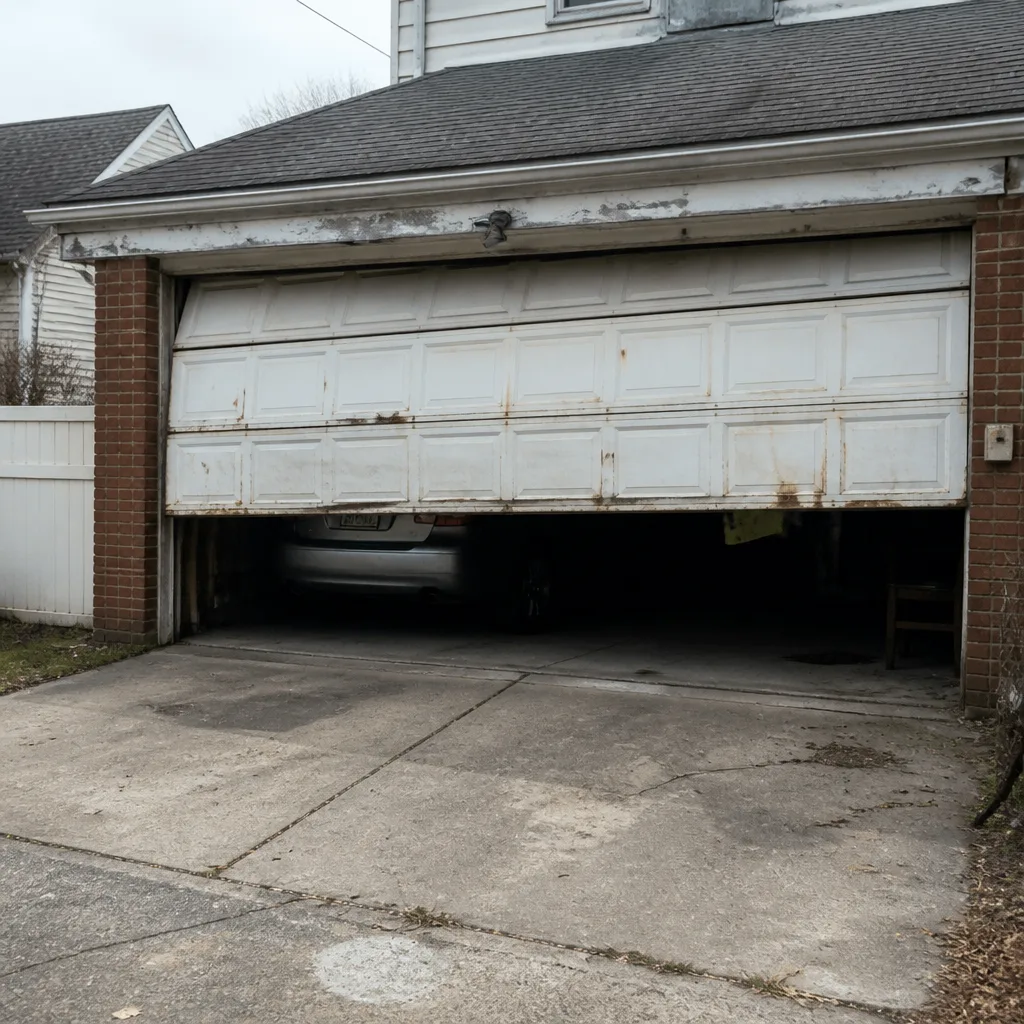 Before
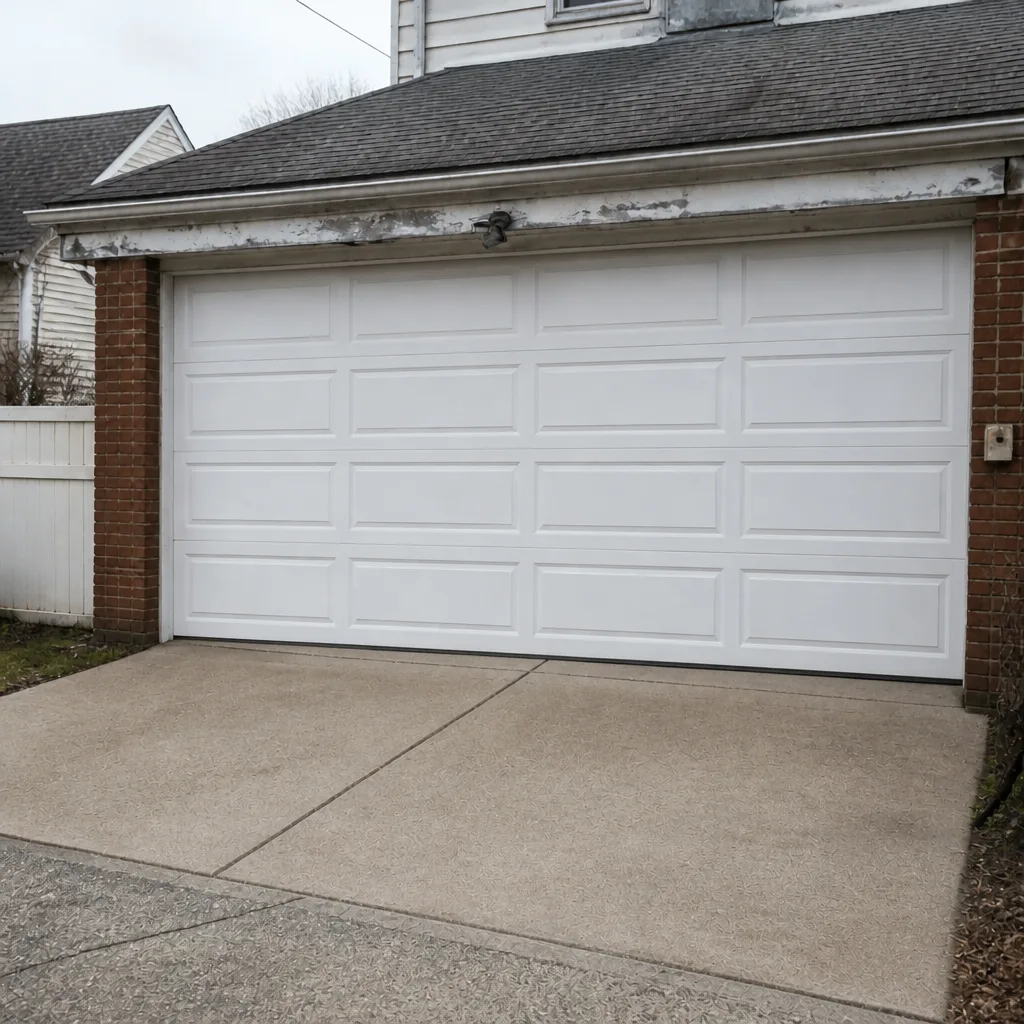 After
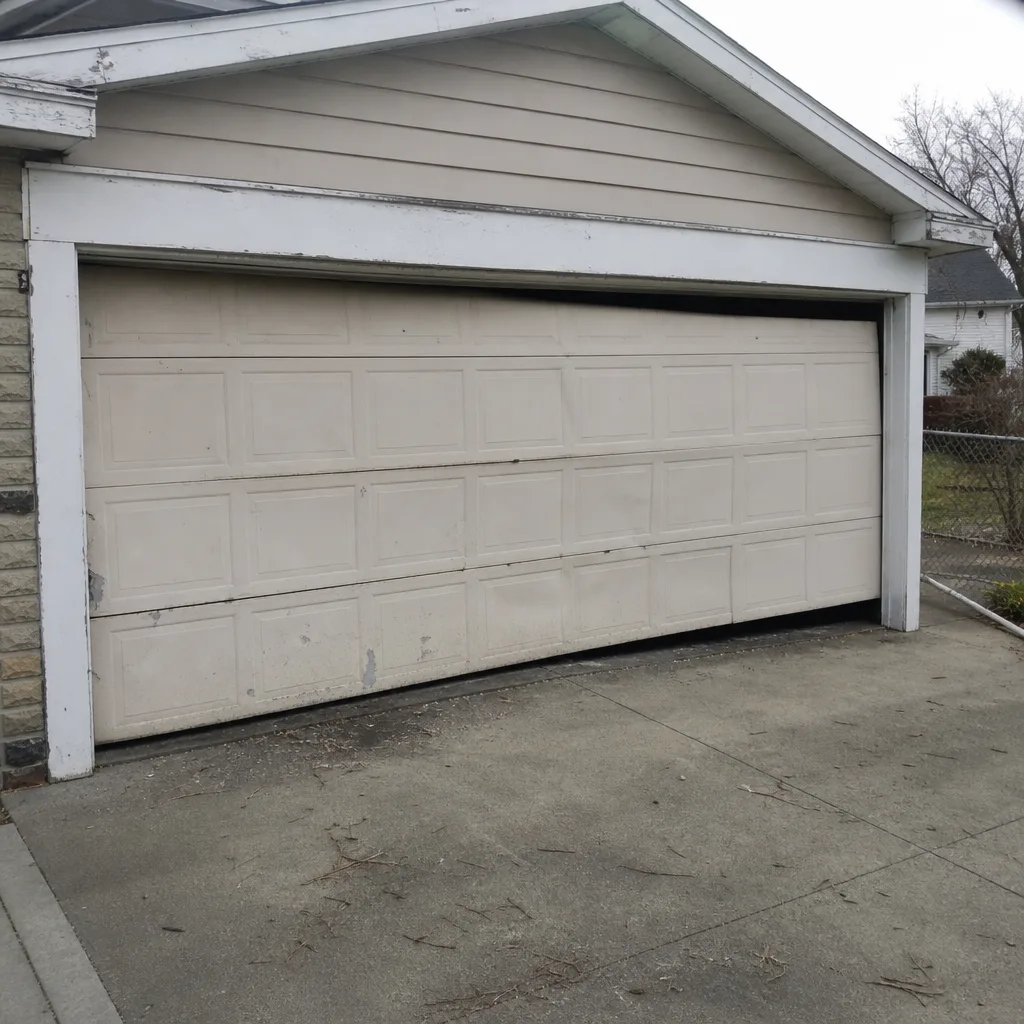 Before
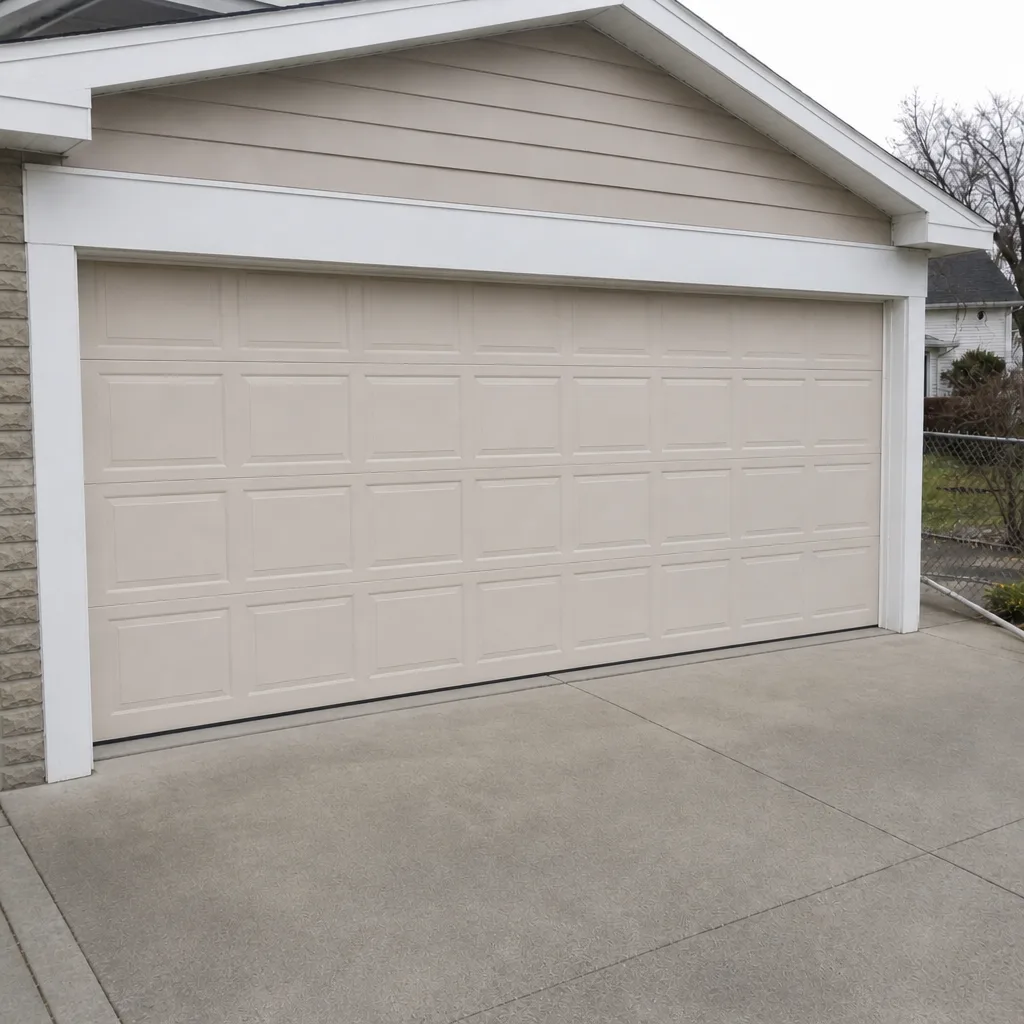 After
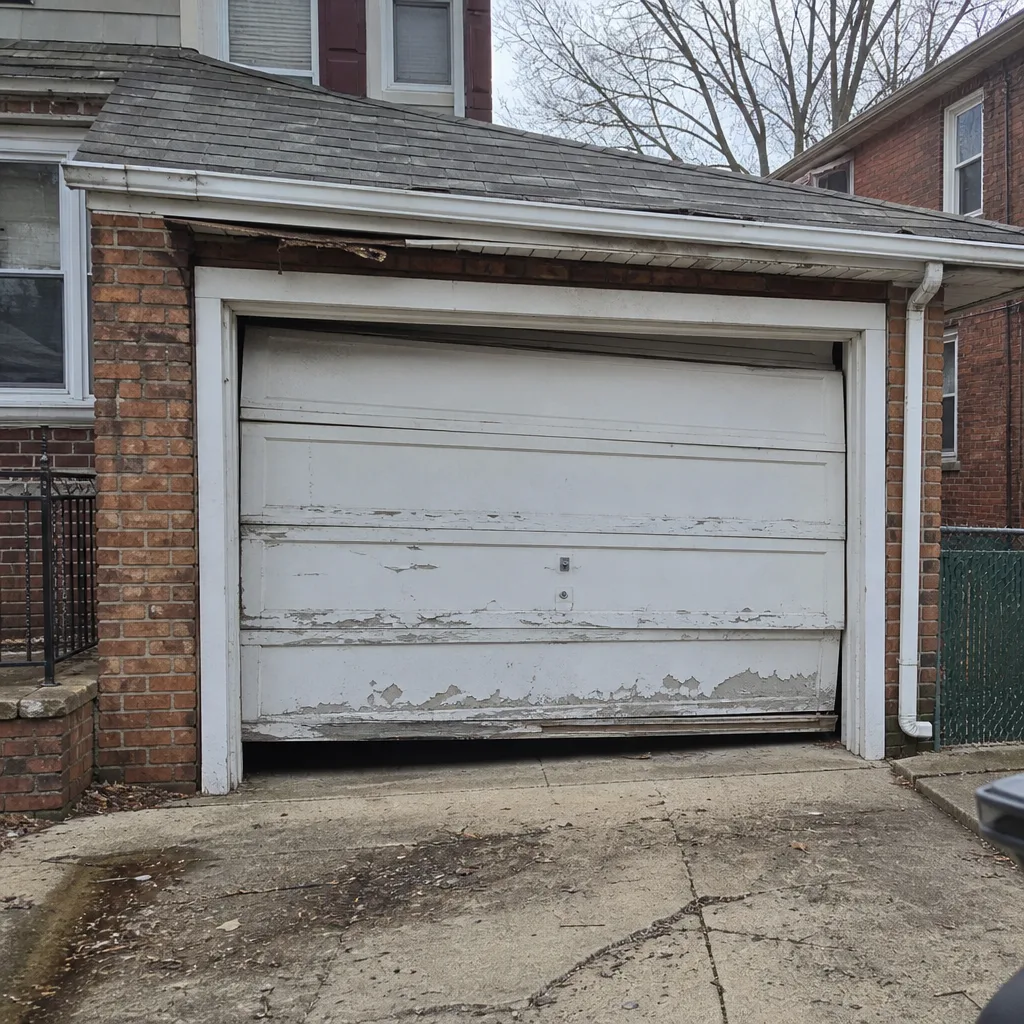 Before
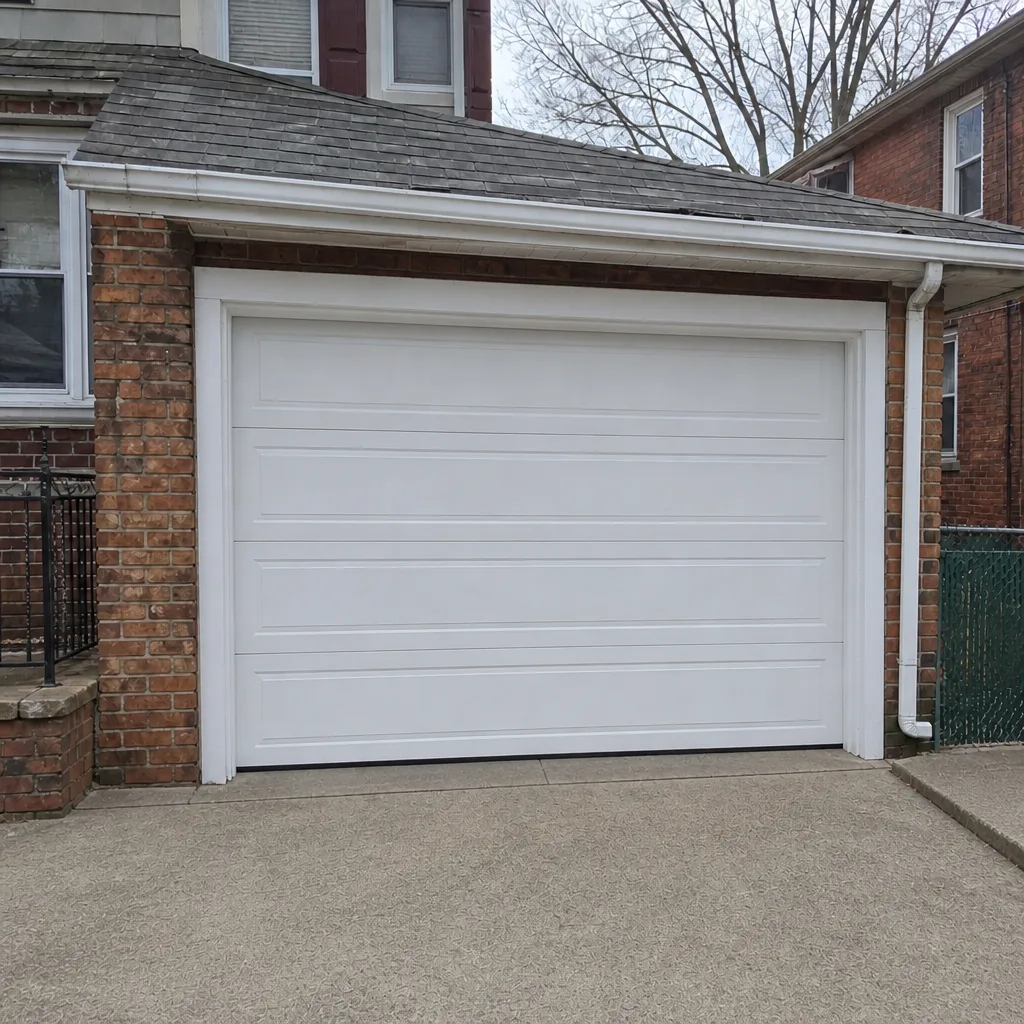 After
When to Call a Professional
Some of this checklist is DIY-safe. Some isn’t. Call a professional if a spring has snapped or shows heavy corrosion on the coils, if the door sags or drops when you release it partway, if a cable is frayed or rusted, if the tracks are visibly bent or the door binds halfway up, or if the opener reverses without a clear cause and remote and sensor checks haven’t fixed it. Any of these can become a safety hazard. Garage Door Repair Fordham offers free estimates in Fordham – call (855) 901-9670. We handle spring repair, opener repair, and full installations, and our technicians have up to 9 years of experience with brands including LiftMaster, Chamberlain, Genie, and Clopay.
Frequently Asked Questions
Once a month for the visual check, and a full inspection four times a year, with the biggest check in March after winter salt exposure. The monthly visual is quick, about five minutes, but it’s what catches salt corrosion on the coils before it becomes a spring failure.
You can test whether they’re carrying their share of the load using the balance test, but you must never touch or adjust the springs themselves. Springs are under extreme tension, and a DIY adjustment can cause serious injury. If the balance test fails, contact a trained technician.
Winter road treatments get thrown up by plows and traffic as a fine salt mist that drifts onto driveways, and the bottom seal and bottom bracket catch it first. Over time, that crust builds up and speeds corrosion in the bottom bracket area. Wiping the seal monthly is the simplest prevention.
Yes. WD-40 is a penetrating spray that thins in summer heat and runs off the rollers, leaving the metal dry by winter. Lithium grease stays put through the freeze-thaw cycles and the humid stretches, so it holds up on Fordham’s moving parts season after season.
A rattle with good springs is usually vibration fatigue, especially in homes near the elevated 4/B/D corridors. The constant rumble loosens fasteners and wears rollers early. A quarterly fastener check and a roller inspection usually find the cause.
For repair and emergency calls, yes, we offer same-day and emergency service for exactly the situations that can’t wait, like a door stuck open or one that won’t close. Call (855) 901-9670 and we’ll get you sorted or booked in. For full installations, we measure, order, and schedule.
The Bottom Line
Maintaining a garage door in Fordham means more than a quick spray and a visual glance. It means monthly salt checks on the seal and coils, a safe balance test that shows you whether the springs are still carrying the load, a 48-inch level against the tracks, and lithium grease on a seasonal schedule rather than WD-40. Add a quarterly fastener check if you’re near the transit corridors. Do all of it and you’ll catch most failures before they become a repair bill. Skip it, and the salt and vibration will find the weakest parts first. When something turns up that you can’t safely fix yourself, a trained professional is one call away.
Call Garage Door Repair Fordham at (855) 901-9670 for a free estimate and a written price agreed before any work starts.
Written by the team at Garage Door Repair Fordham.