Last updated November 21, 2026
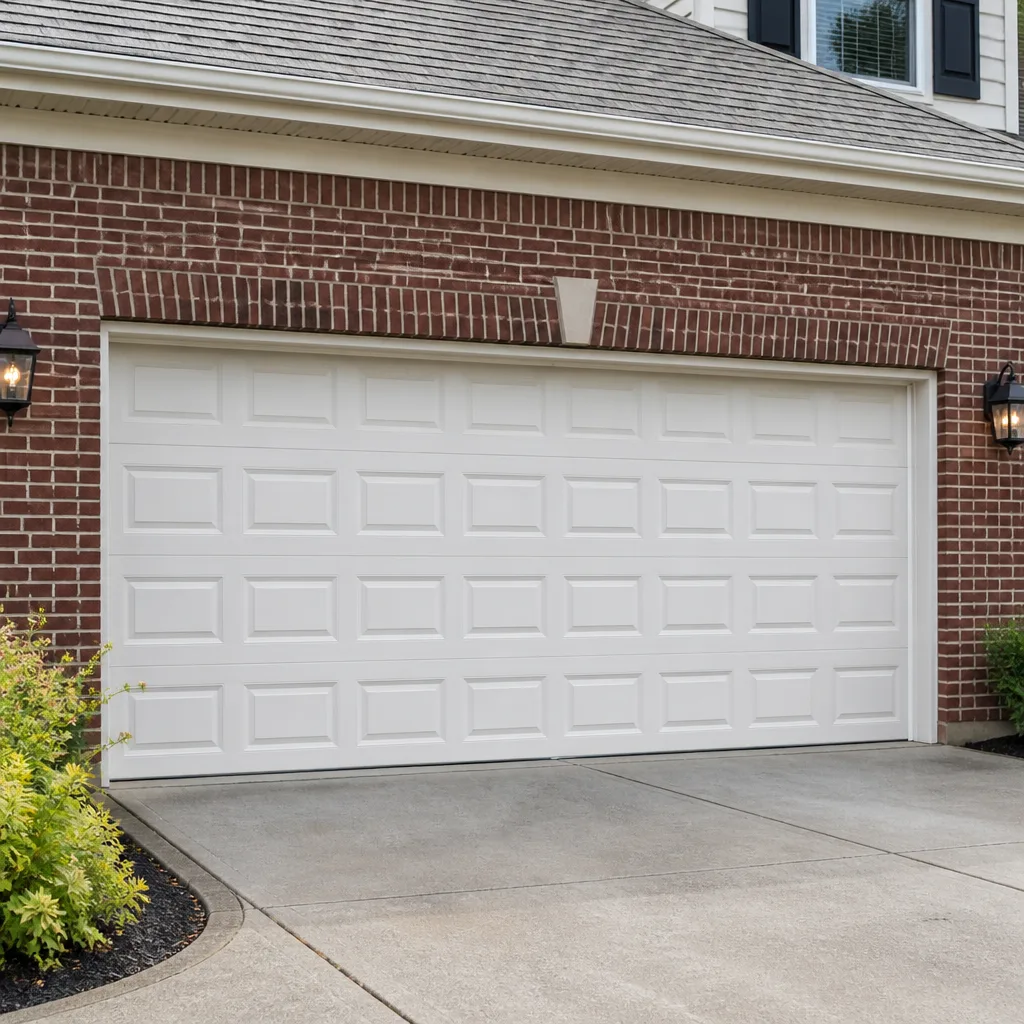 Raised-panel steel
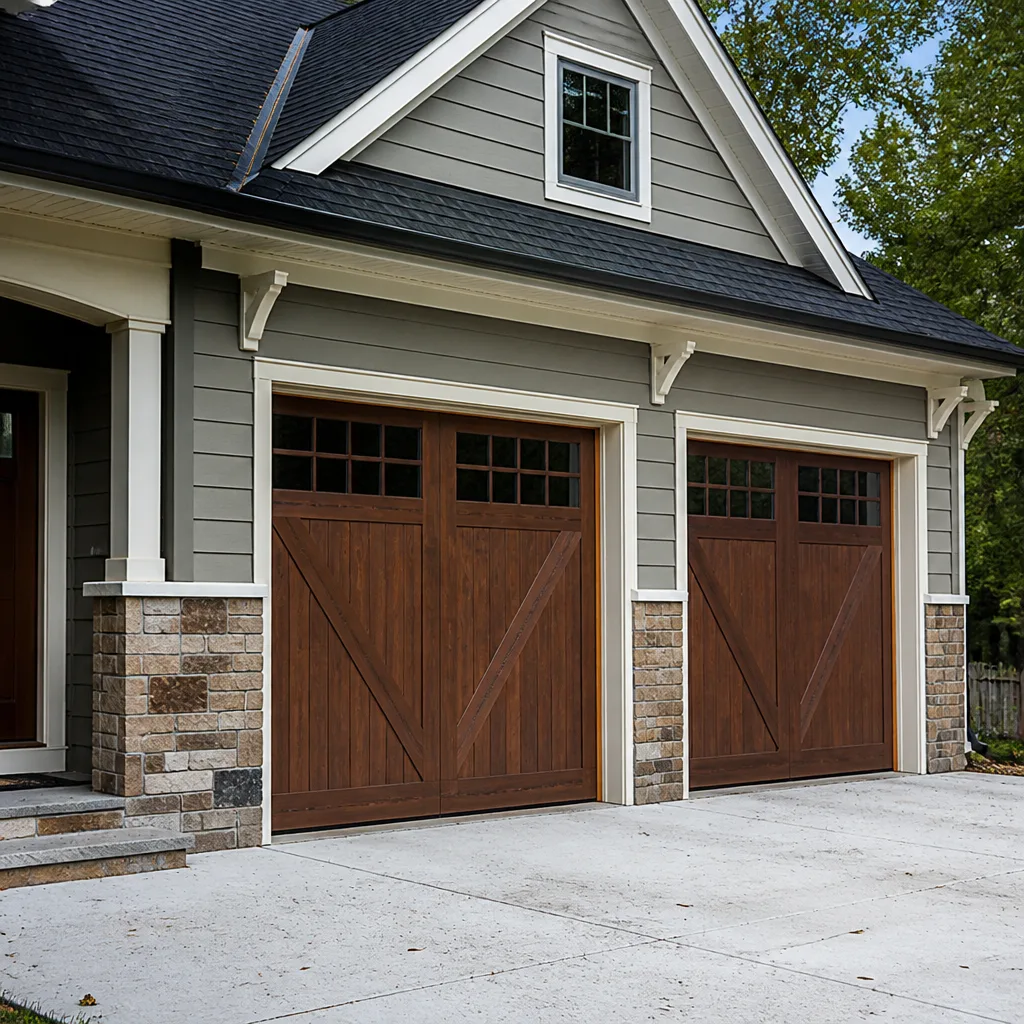 Carriage house
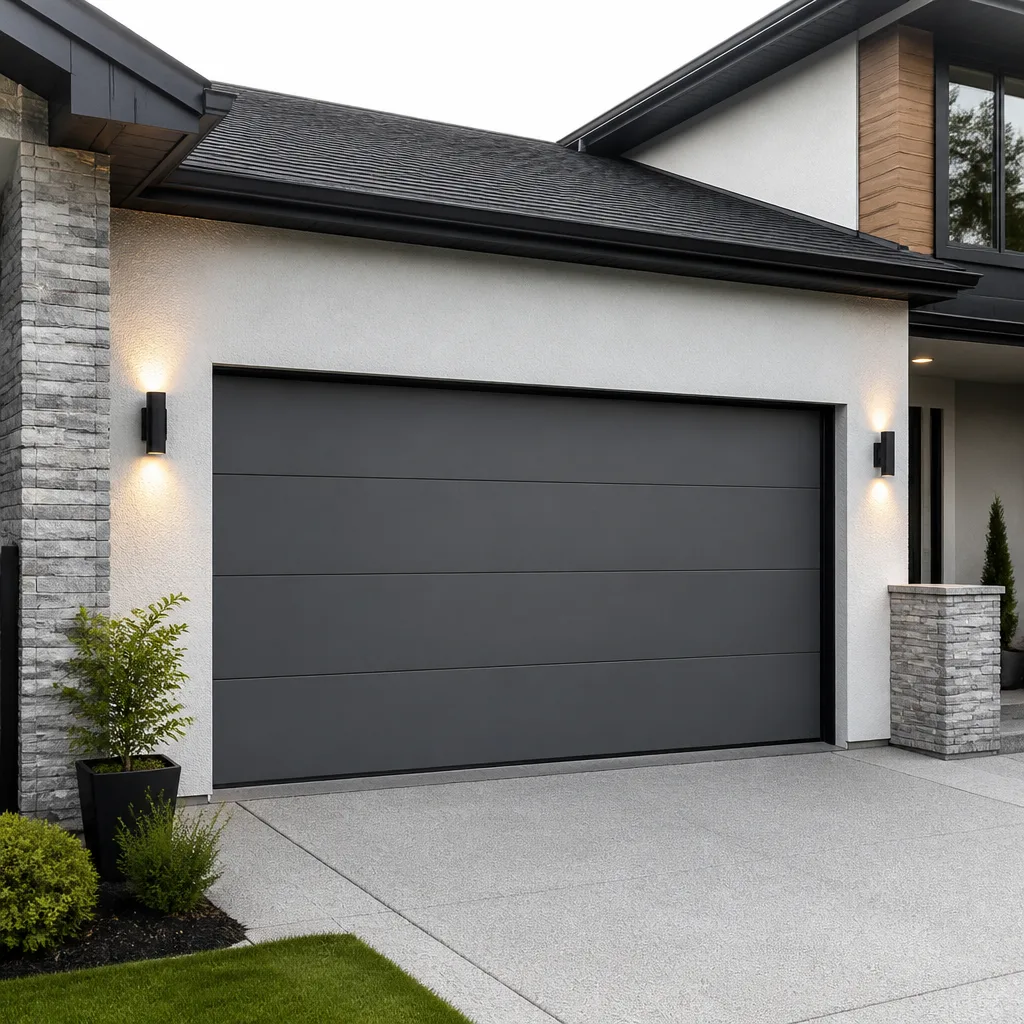 Modern flush
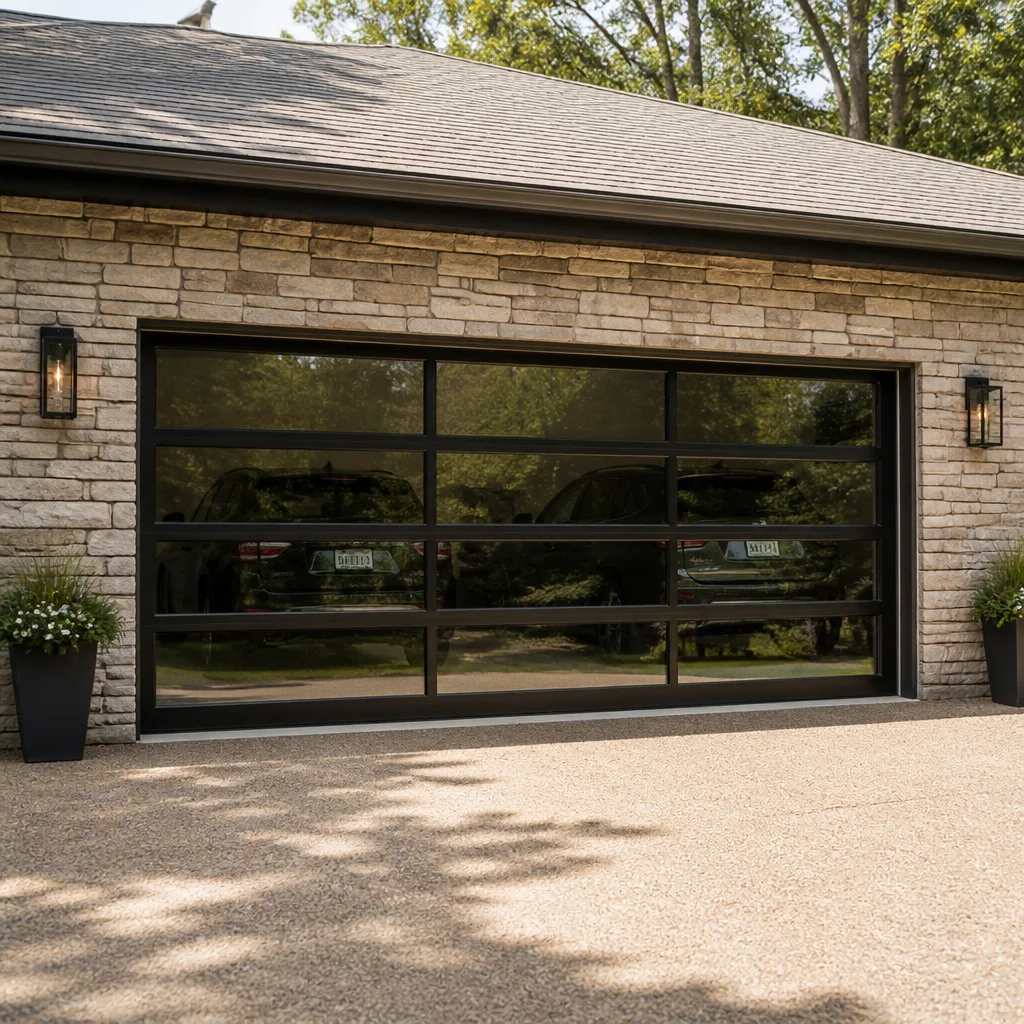 Full-view glass
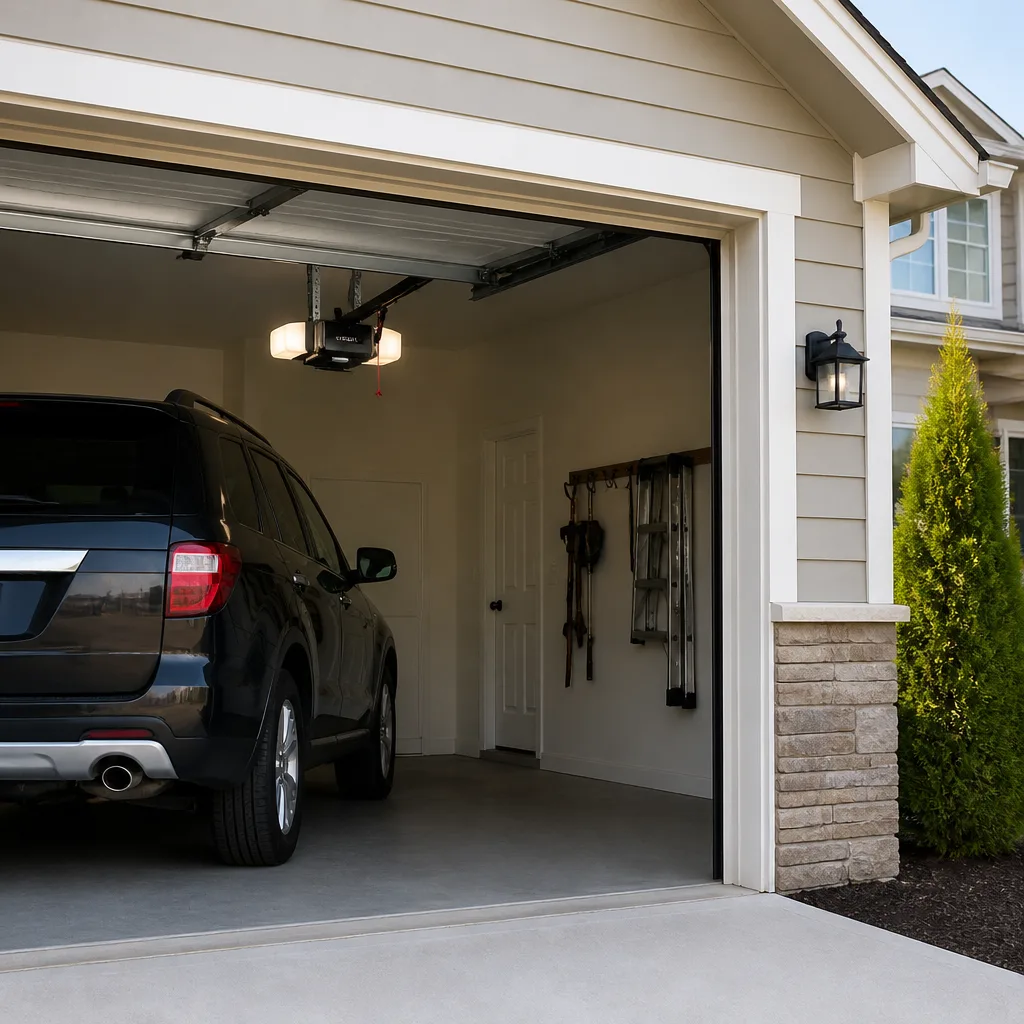 LiftMaster openers
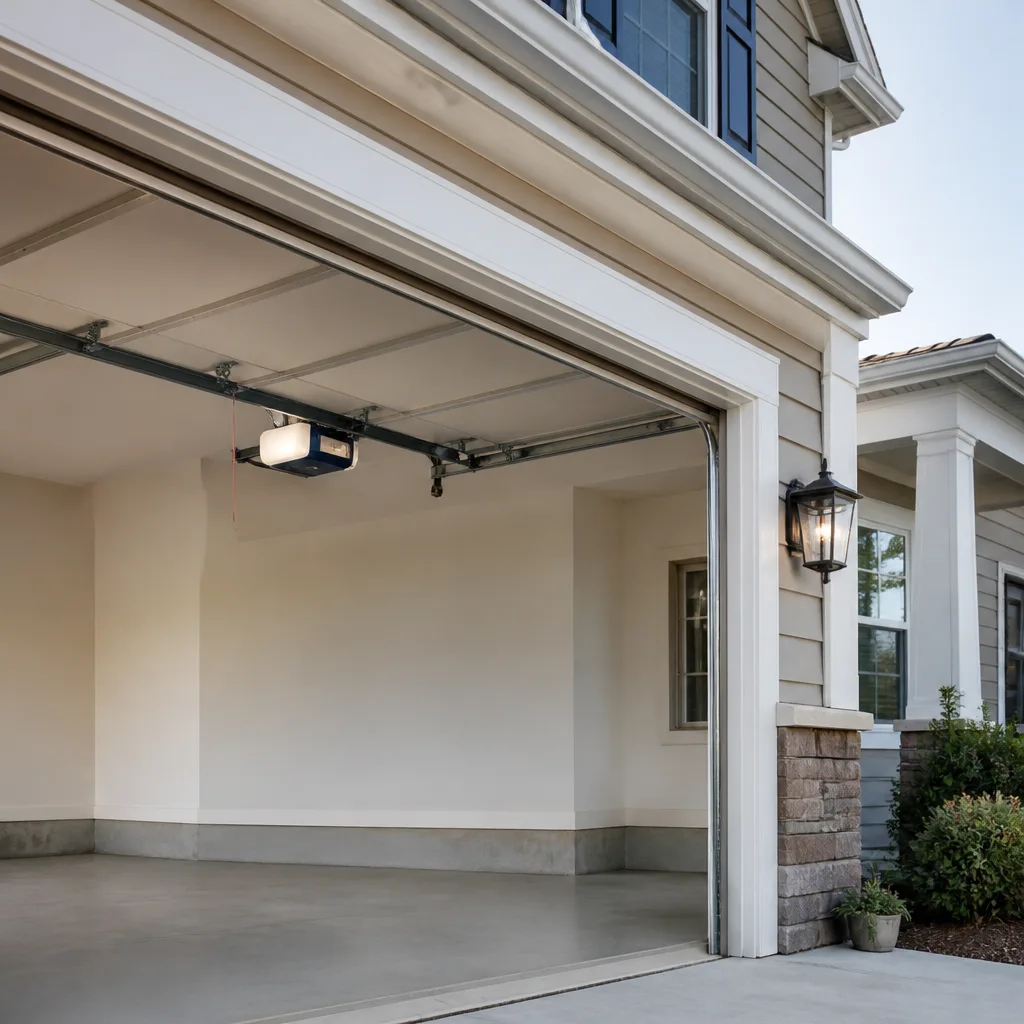 Chamberlain openers
Full 25-point door and opener safety check with every visit - springs, cables, rollers, tracks, and your LiftMaster or Chamberlain opener included
You get a price before we start. It does not change when the pro arrives.
Get your free estimateGarage Door Repair Maintenance Schedule: What to Do and When
The busiest moving part in most Fordham homes runs roughly 1,500 cycles a year. Most owners haven’t touched it since installation. That’s the whole problem in one sentence: a garage door is the largest power-operated mechanism in the house, and it gets treated like a wall. The common misconception is that maintenance means an annual service visit. It doesn’t. It means the right tasks at the right intervals, which are measured in cycles and seasons, not in calendar years. This guide lays out a real garage door maintenance schedule for Fordham homes: what to lubricate and with what, what to check monthly, what to leave to a trained eye, and how to keep a log that actually means something.
Quick Answer
A garage door needs lubrication every three to six months, a five-minute owner check once a month, a professional inspection once a year (or every 1,600 to 2,000 cycles), and seasonal checks tied to Fordham’s weather: cables after winter, rollers when summer humidity peaks, and weatherstripping in fall. Springs, cables, and anything under tension are never a homeowner job. Everything in this guide is about timing the tasks correctly so you neither overspend on service visits nor skip the one bit of upkeep that prevents a snapped cable or a burned-out opener.
Styles & brands we work with
- Raised-panel steel
- Carriage house
- Modern flush
- Full-view glass
- LiftMaster openers
- Chamberlain openers
Table of Contents
- Why Cycles Matter More Than the Calendar
- The Right Lubricant for Every Component
- The Fordham Seasonal Checklist
- The Five-Minute Monthly Owner Check
- The Annual Professional Inspection
- Opener and Smart Control Maintenance
- How to Log Your Door’s Service History
- The Full Schedule at a Glance
Why Cycles Matter More Than the Calendar
Every garage door cycle is one open and one close. A door that goes up and down four times a day logs about 1,500 cycles a year. A door on a household where someone works from home, the kids come and go, and the car gets moved twice for errands can easily hit 3,000 to 4,000. Same door, same neighborhood, twice the wear. A calendar-based schedule treats both homes identically. That’s why it fails.
Manufacturers and technicians think in cycles because every component counts them. Springs are rated by cycle life. Rollers wear by rotation. The opener motor has a duty cycle. The calendar is only a proxy for the number you actually want to track.
Here’s the practical translation:
- Light use (2 to 4 cycles a day, one-car households, cars parked overnight): lubricate every six months, inspect annually.
- Medium use (5 to 8 cycles a day, two drivers, school runs): lubricate every four to six months, inspect annually with a cycle review at the visit.
- Heavy use (10 or more cycles a day, multi-driver homes, home businesses, light-commercial doors): lubricate every three months, and plan on a professional inspection at least every 1,600 to 2,000 cycles.
Fordham homes tend to fall in the medium band. Two cars, a busy street, and a door that gets opened for deliveries and trash runs adds up faster than most owners realize. We suggest counting your cycles for one week. Seven days of honest counting tells you more about your door’s real maintenance needs than any generic calendar. If you’ve never counted, start there before anything else in this guide.
The Right Lubricant for Every Component
Wrong lubricant does more damage than no lubricant. That’s not a scare line. It’s a mechanical fact. The wrong product attracts grit, gums in cold weather, or washes out of the parts that need it most. Each part of a garage door system asks for something different, and this is where most do-it-yourself attempts go sideways.
Rollers
Nylon rollers need almost nothing. A light silicone spray on the stem, where the roller meets the hinge, keeps them turning. Steel rollers with sealed bearings want a few drops of light machine oil at the bearing, not a coat over the whole wheel. Never grease a nylon roller: grease picks up grit and turns a smooth roller into sandpaper.
Hinges
A silicone spray or white lithium grease at the pivot points is correct. Spray the pivot, work the hinge by hand, and wipe off the excess. Excess lubricant on a hinge is a magnet for dust from the driveway and street.
Springs
Extension springs get a light wipe of lubricant along the coils; torsion springs above the door get a thin coat on the coils only. The spring itself stays under extreme tension. You can lubricate the outside of a spring safely, but you never touch the winding bars, the set screws, or the cable attachment. If the spring is noisy, worn, or visible mid-gap, this is the point to stop. Garage door repair for springs belongs to a trained technician, and every reputable one will tell you that a torsion spring under tension can injure someone who mishandles it with a single wrong move. We say that plainly because it’s true.
Tracks
Tracks get cleaned, not lubricated. Wipe them with a dry cloth or a rag with a tiny amount of silicone spray on it. Never grease a track. Grease holds dirt, the roller slides instead of rolls, and the door starts running rough and loud within weeks. If your tracks are visibly bent or out of plumb, that’s a call, not a cleanup.
The Fordham Seasonal Checklist
Local weather is the variable most schedules ignore. Fordham’s seasons do specific things to a garage door system, and matching the work to the season is the single biggest upgrade you can make over a generic checklist.
Spring: Post-Winter Cable and Hardware Inspection
Winter is cable season. Repeated freeze-thaw cycles stress cables and drums more than warm months do, and the first thaw is when a worn cable tends to show itself. Walk the door and look at both cables where they meet the drum. Fraying, birds-nesting, or slack on one side means stop using the door and call a technician. Also check the bottom seal for cracking from the cold.
Summer: Roller and Humidity Check
Humidity swells wood doors, stiffens weatherstripping, and speeds up corrosion on steel hardware. When summer humidity peaks in Fordham, do the roller check: listen for grinding, look for flat spots, and confirm all rollers turn freely by hand with the door closed. Nylon rollers tend to get noisy; steel rollers can flat-spot. This is also when the metal expands and you’ll hear the door creak more than usual. A silicone spray on the hinges quiets most of that.
Fall: Weatherstripping Audit
Before the cold, check the bottom seal and the side and top weatherstripping. If you can see daylight under the closed door, the seal is worn, and that gap lets cold air in and pests in. Also check the thresholds where the door meets the floor. This is a task most homeowners can do themselves; replacing the bottom seal is straightforward on most doors, including Clopay and Amarr models. If the seal is crumbling, replace it before the first hard freeze.
- Spring: cables, drums, bottom seal post-winter.
- Summer: rollers, hinges, humidity noise.
- Fall: weatherstripping, thresholds, seal gaps.
- Winter: keep the tracks clear of ice and grit; avoid forcing a frozen door.
The Five-Minute Monthly Owner Check
Most of what goes wrong with a garage door announces itself early. A five-minute look-and-listen once a month catches nearly all of it. Here’s the exact sequence. The critical rule: do all of this with the door closed, and never with your hands anywhere near the springs or cables.
- Listen first. Open and close the door from outside and just listen. Grinding, scraping, or a heavy pop is your first signal.
- Look at the balance. With the door closed and the opener disengaged (pull the red release handle), lift the door by hand to about waist height. A balanced door stays put or drifts slightly. One that slams shut or flies up is out of balance, which points to springs. Stop there and call a technician.
- Check the safety reverse. Put a small object like a roll of tape in the door’s path and close it. The door should reverse on contact. This is a safety test, not a repair, and it takes fifteen seconds.
- Inspect the cables. Look at both sides of the door where the cable runs. Fraying or a slack cable means no more cycles until a professional looks at it.
- Wipe and spray. A quick wipe of the tracks and a spray of hinges and roller stems if the door has been noisy.
- Check the hardware. Give the bolts and brackets a visual once-over. Loose bolts are common and tightening them by hand is fine. Never touch spring hardware.
Everything in that list is safe for a homeowner. Everything involving a spring, a cable under tension, or the winding bar behind a torsion spring is not. The line between the two is clearer than most guides make it, and respecting that line is what keeps this routine quick.
The Annual Professional Inspection
Once a year, a trained technician should put hands and eyes on the parts you can’t safely touch. This is not a sales visit. It’s the check that catches a worn torsion spring before it snaps, a cable before it frays through, and a drum before it throws the door off its tracks. For a door used heavily in Fordham, once a year roughly lines up with the cycle interval, which is why we suggest timing the visit to your cycle count rather than the calendar.
What a proper inspection covers:
- Spring tension, cycle count estimate, and remaining service life.
- Cable condition at both drums, including inside the cables.
- Roller and hinge wear, plus balance adjustment.
- Track alignment and plumb.
- Opener force settings, travel limits, and safety reverse test.
- Weatherstripping, bottom seal, and threshold condition.
If you have a specific brand installed, an inspection is also the time to ask the technician to confirm your specific door and opener pairing. A technician who works on Genie and Chamberlain openers as well as Wayne Dalton doors will know the quirks. General handymen often don’t. The difference shows up in the details: a door that runs smooth for another year instead of developing a rattle three months after a wrench-and-hope visit. Our technicians have up to 9 years of experience across those brands, and the inspection is where that experience pays for itself.
Opener and Smart Control Maintenance
The opener is the electronic half of the system, and it has its own maintenance rhythm. Most people only think about it when the door won’t respond, which is the most common complaint we hear. A little upkeep prevents that.
- Test the safety reverse every month. Same test as the owner check, but make it a habit.
- Check the force settings every six months. If the door strains at the top or bottom of travel, the opener is working harder than it should. A technician can adjust the force.
- Replace remote batteries on a schedule. Every twelve to eighteen months, whether or not it’s dead. Remote-only failures are usually battery, not receiver.
- Keep the photo-eye lenses clean. Dust and cobwebs on the safety sensors cause most of the mysterious “won’t close” problems.
- Check smart controls and Wi-Fi apps annually. If your Chamberlain or LiftMaster opener uses an app, confirm the firmware and the pairing are still current once a year. Smart controls drift as phones change.
If the door is silent or reversals are erratic, that’s an opener problem, and it’s a separate specialty from the door itself. garage door opener repair covers motor, board, sensor, and remote issues in one visit. Keeping the opener maintained on its own schedule is what turns “the door won’t open” from an emergency into a routine fix.
How to Log Your Door’s Service History
A log is not paperwork. It’s proof. When you sell a Fordham home, a documented garage door service history is a small but real signal of a maintained house. When you call a technician, a log tells them what’s been done and what hasn’t, which usually shortens the visit. And when a spring or cable fails, the log tells both of you whether it was a surprise or a known-worn part.
Keep it simple. A notes file on your phone works. Log these six items:
- Date of every lubrication, owner check, and professional visit.
- Your cycle count at the time, if you tracked it that week.
- What was done: lubricate hinges, replace bottom seal, inspect springs.
- Parts replaced with brand and model if known.
- Anything flagged as “keep an eye on.”
- Who did the work, so you can call them back for what they flagged.
If you’ve recently moved in, start a fresh log from this year. Older history is a bonus, but a clean, ongoing record from now forward is what matters. When you’re ready for garage door installation of a replacement door, a full log of the old door’s service life is a genuinely useful thing to hand the technician. It turns the conversation from guesswork into a shortlist of what to look for in the new system.
The Full Schedule at a Glance
Here’s the whole maintenance schedule in one place. Keep this handy; it’s the short version of everything above.
- Monthly: five-minute owner check. Listen, test the safety reverse, glance at cables, tighten loose bolts by hand.
- Every three to six months: lubricate hinges, rollers, and springs with the correct product for each. Wipe the tracks. Adjust intervals by cycle count.
- Spring season: post-winter cable and drum inspection. Check the bottom seal for freeze damage.
- Summer season: roller and humidity check. Spray and quiet the hinges. Confirm all rollers turn freely.
- Fall season: weatherstripping audit and gap check. Replace a worn bottom seal before the cold.
- Annually, or every 1,600 to 2,000 cycles: professional inspection. Springs, cables, drums, balance, opener force settings.
- Every twelve to eighteen months: remote batteries. Yearly: check smart app pairing and firmware.
The pattern is simple: owners handle the fast, safe checks; professionals handle tension and force. Sticking to that split is what keeps the maintenance schedule honest. The alternative we see most often is a door that gets no attention for years, then suddenly needs spring and cable work in the same visit. That’s when a maintenance schedule would have saved a homeowner real money, and it’s the reason we started writing it down for customers.
Common Mistakes to Avoid
- Greasing the tracks. Grease turns tracks into a dust magnet, and the rollers slide instead of roll. Tracks get wiped, never greased. This single mistake causes a surprising number of loud, rough-running doors in Fordham.
- Using WD-40 as a lubricant. It’s a light solvent and water displacer, not a lasting lubricant. It quiets a hinge for a week and then dries out. Use a silicone or white lithium product meant for door hardware.
- Ignoring a door that’s out of balance. A door that slams or flies up on release points to springs. Continuing to use the opener on an unbalanced door wears the opener and stresses the cables. That’s a call, not a wait-and-see.
- Adjusting springs or cables yourself. Torsion springs are under extreme tension and can cause serious injury. This is the one part of a garage door that belongs to a trained technician, full stop.
- Scheduling by calendar only. A door used ten times a day needs service roughly twice as often as one used four times. Counting cycles first is the difference between a right-sized schedule and a wasteful one.
- Letting a seal gap go through fall. A torn bottom seal lets cold air and pests in all winter. Replacing it in October is cheap and quick; replacing it in January after it cracks is a nuisance.
- Not logging anything. A door with no service history is a door with a mystery. When a technician asks when the springs were last looked at, “I don’t remember” means starting from zero.
See the difference
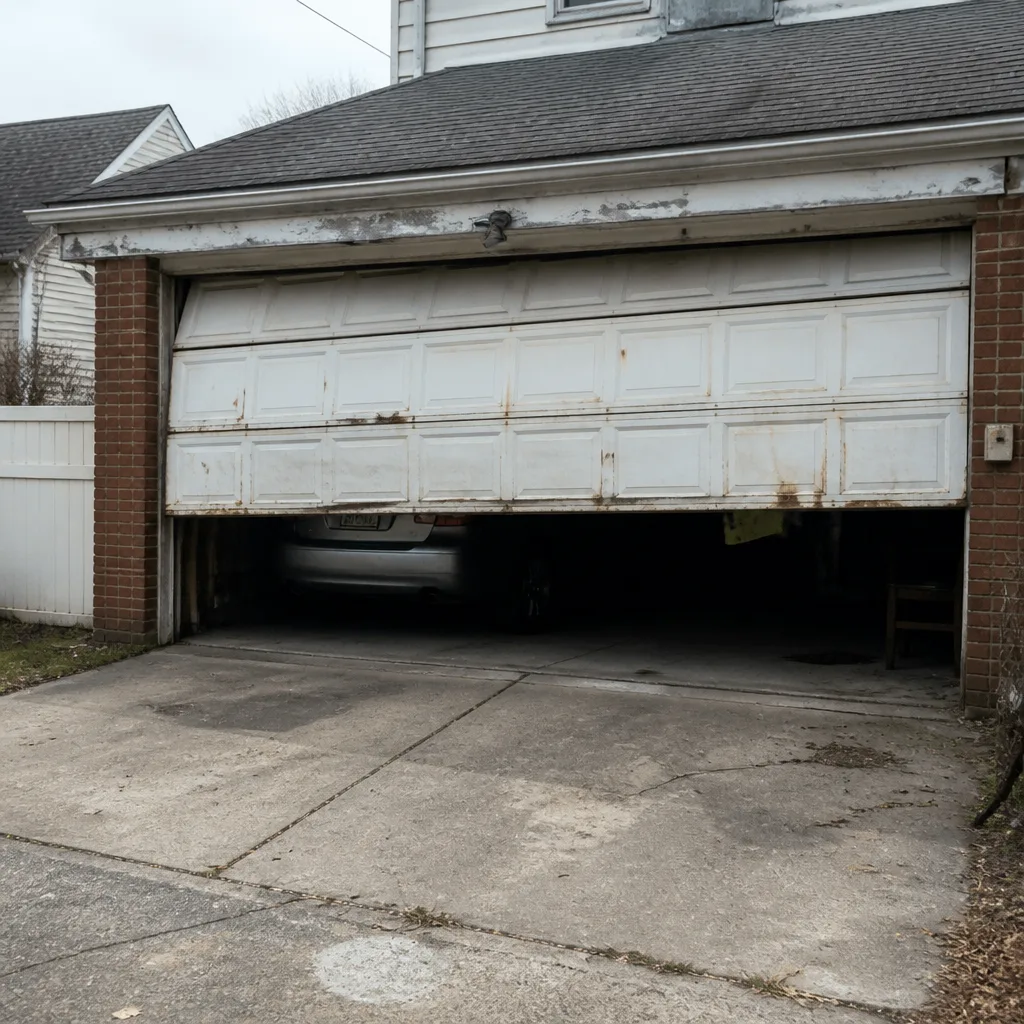 Before
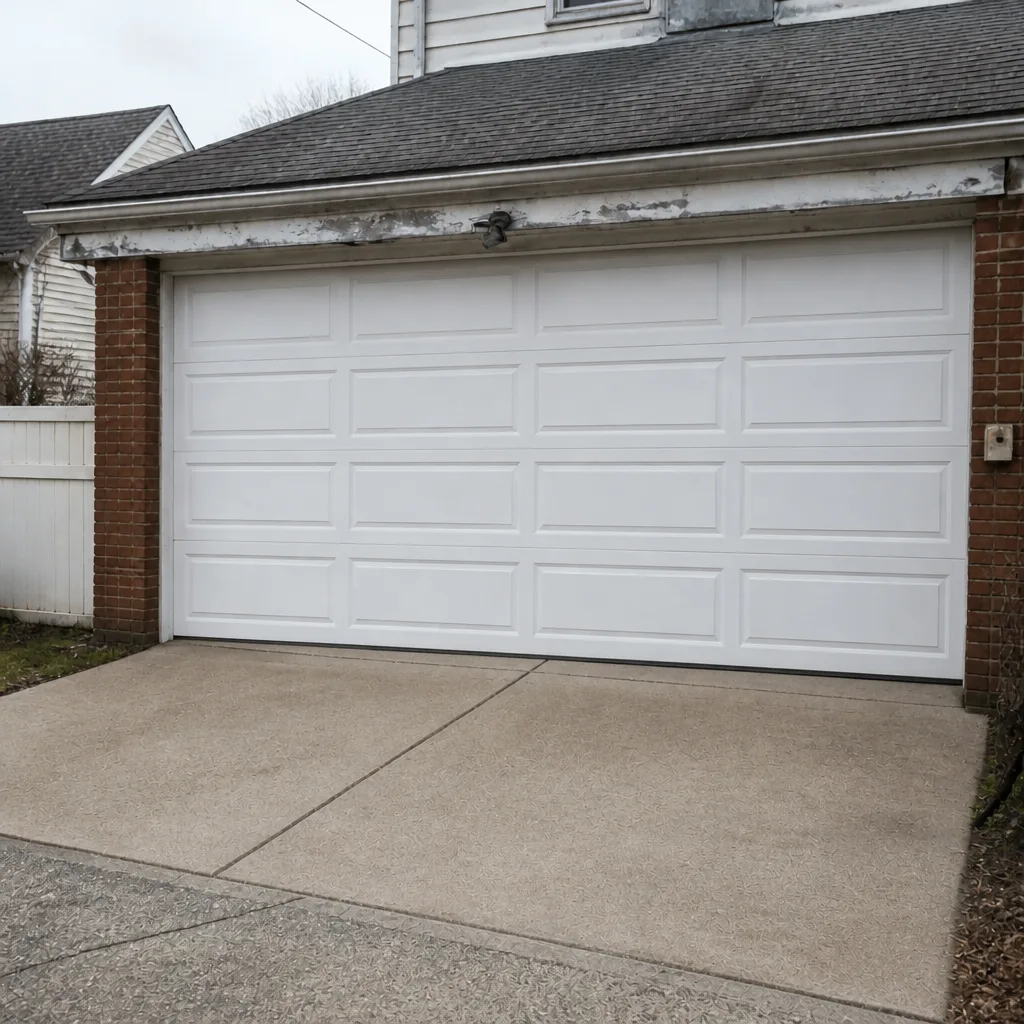 After
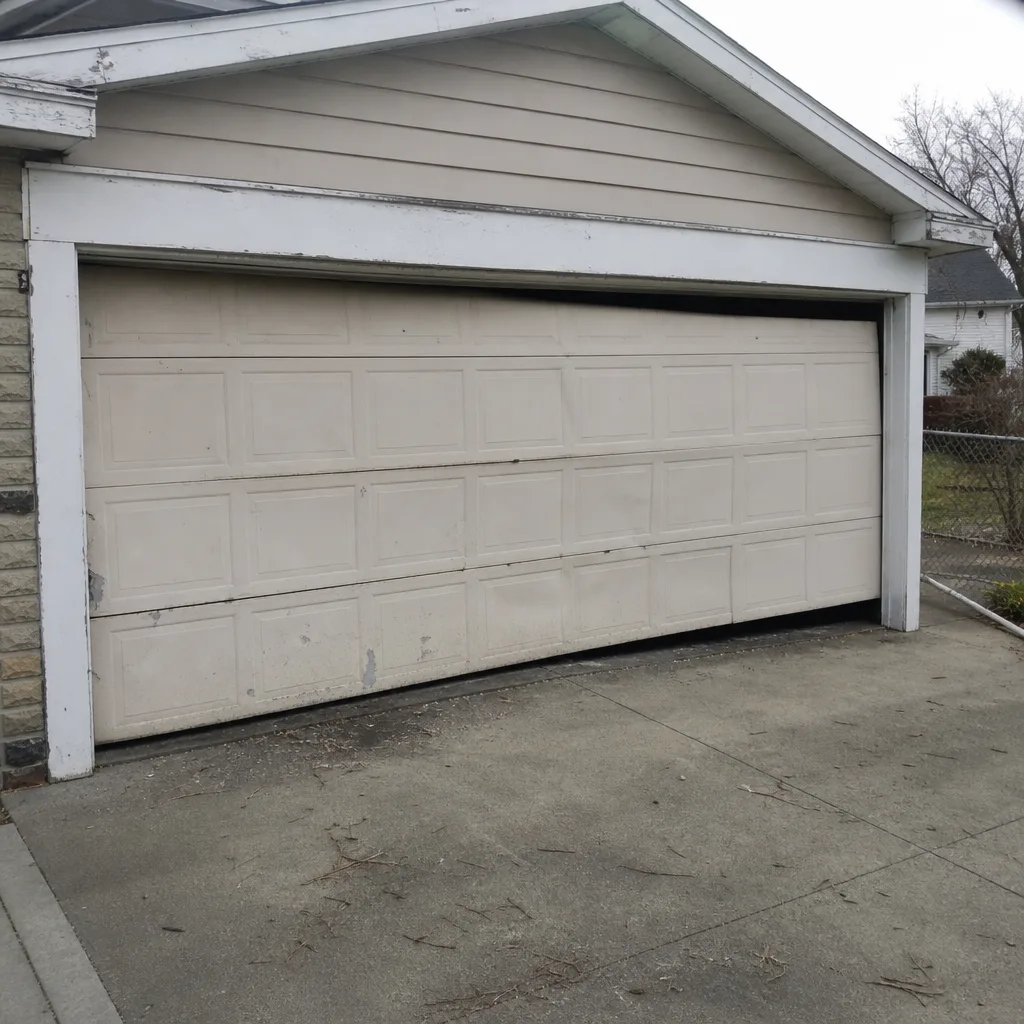 Before
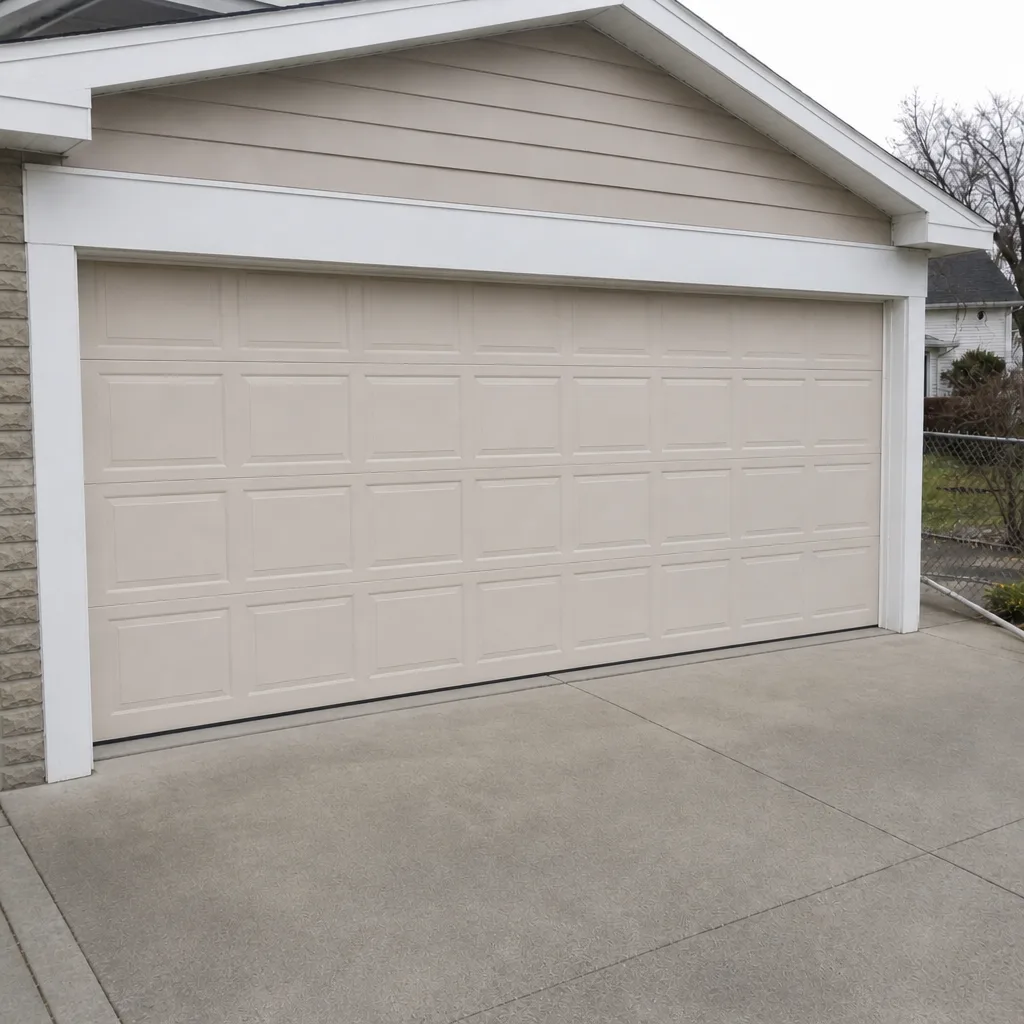 After
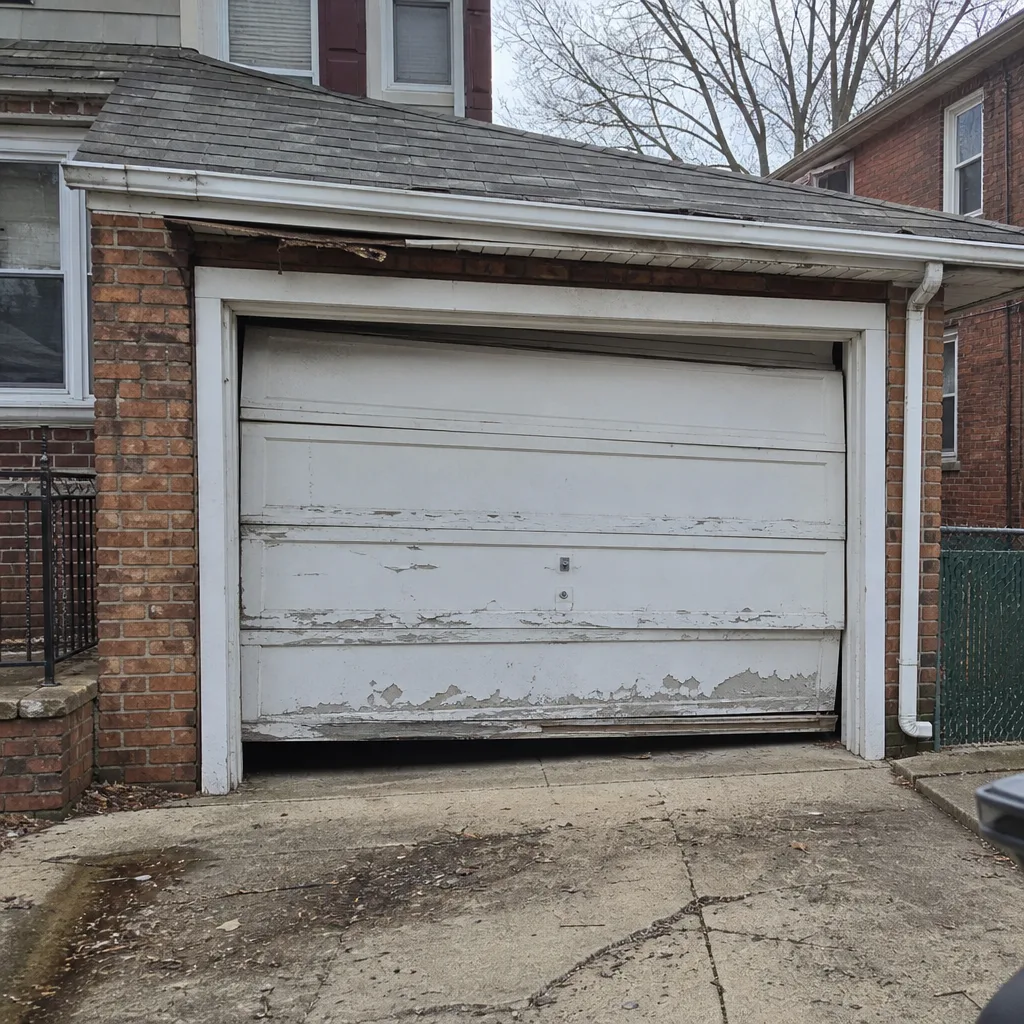 Before
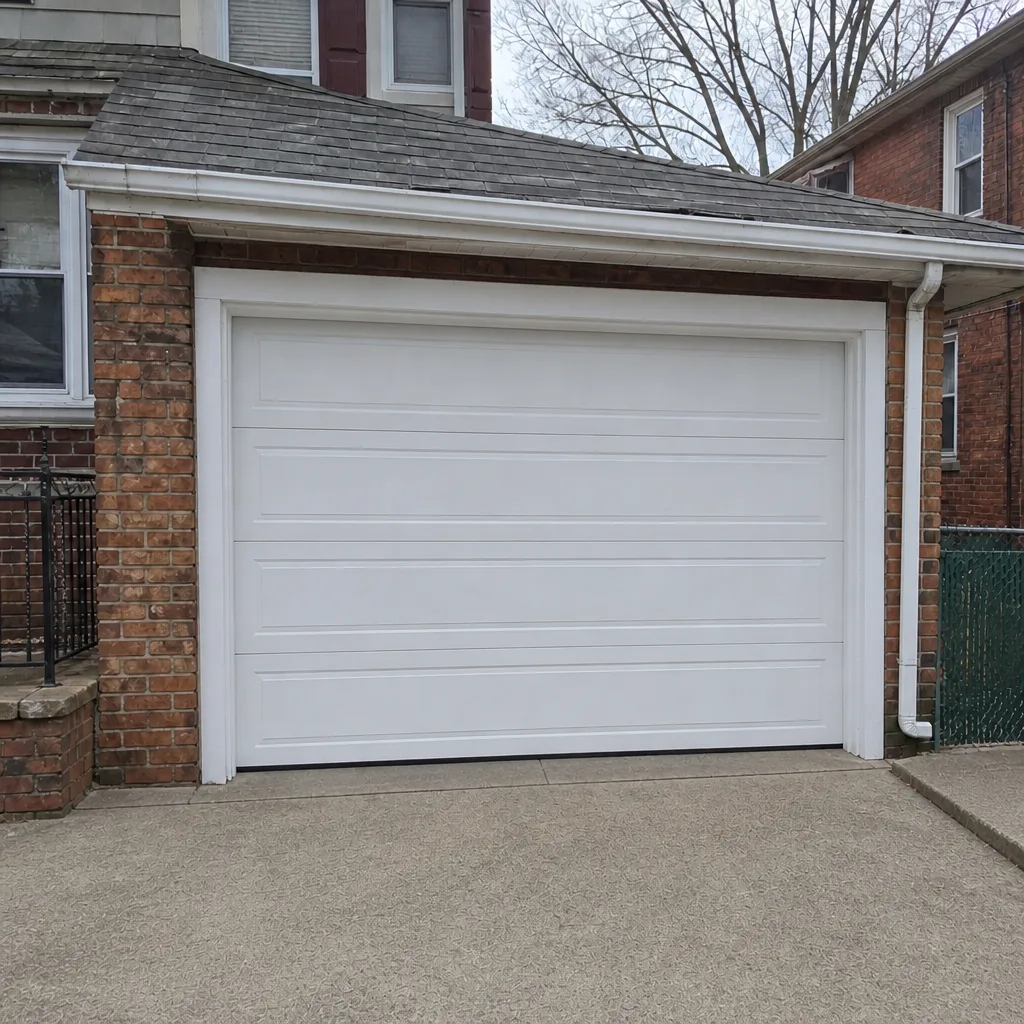 After
When to Call a Professional
Most of the schedule above is yours. A few situations are not, and calling early is the cheaper path every time. Call a professional if the door is out of balance, a cable is frayed or slack, a spring is visibly worn or the door is suddenly heavy, the opener reverses erratically, the door comes off its tracks, or you hear a loud pop from the overhead assembly. Those are the points where a couple of hundred dollars of routine maintenance keeps a much larger repair from happening. It’s also the moment a general handyman becomes the wrong call and a garage door specialist becomes the right one.
Garage Door Repair Fordham offers free estimates in Fordham, and we cover the full system: doors, springs, cables, and openers. Garage Door Repair Fordham is where the conversation starts, and calling (855) 901-9670 gets you a same-day appointment in most cases and an emergency line when a door won’t close.
Frequently Asked Questions
Lubricate every three to six months, do a five-minute owner check monthly, and book a professional inspection once a year or every 1,600 to 2,000 cycles, whichever comes first. That’s the working answer. A door in a busy Fordham household with two drivers and frequent use should lean toward the shorter intervals, and the cycle count always beats the calendar when the two disagree.
You can lubricate hinges, rollers, and the outside of the springs yourself with the correct product, and we’d encourage it. The limits are cables, drums, and anything under torsion spring tension. Those belong to a trained technician. The wrong lubricant on the right part causes more damage than skipping it entirely, so match the product to the component: silicone for rollers and hinges, light oil for bearings, no grease on tracks.
The monthly check is a fast look-and-listen you can do in five minutes: balance, safety reverse, cables, hardware, a wipe and spray. It’s about catching visible change. The annual inspection is a hands-on professional assessment of parts you can’t safely touch, including spring tension, cable condition inside the drums, and opener force settings. The two are complementary, not interchangeable. One finds noise and drift; the other finds wear before it fails.
Yes, in specific ways. Fordham’s freeze-thaw winters stress cables and drums more than warm weather does, so the post-winter cable inspection is the most important seasonal task on the list. Summer humidity swells wood doors and makes steel rollers and hardware work harder, which is why the roller check belongs in summer. Fall is for weatherstripping and seals. Adjusting the schedule to those seasons is a genuine upgrade over a generic annual checklist.
If it has no tension in it, it’s yours: seals, rollers, hinges, track wiping, bolt tightening, safety reverse testing. If it’s under tension or holds the door’s weight, it’s a professional job: springs, cables, drums, balance adjustment. That’s the whole rule, and it holds for every brand we work on, from Wayne Dalton doors to LiftMaster openers. When in doubt, stop and call.
We handle the major residential and light-commercial brands, including LiftMaster, Chamberlain, Genie, Clopay, Amarr, Wayne Dalton, Craftsman, and Raynor. If your door or opener is one of those, we’ve worked on it and we can service it on the same visit. Our technicians have up to 9 years of experience across those systems, and our in-house spring repair means the highest-risk part doesn’t get deferred. Call (855) 901-9670 for a free estimate.
The Bottom Line
A garage door maintenance schedule is not a yearly visit. It’s four things layered together: monthly owner checks, correct lubrication on a cycle-driven interval, seasonal tasks matched to Fordham’s weather, and one professional inspection a year to handle the parts under tension. Get that split right and you’ll catch a worn cable before it snaps, keep the opener from straining, and avoid a surprise bill on a spring. Get it wrong in either direction, and you either overspend on service or skip the single bit of upkeep that prevents the big repair. Track your cycles, log your history, and call a specialist for anything under tension. We’re happy to look at your door and tell you where it stands.
Ready to get your door on a real schedule? Call (855) 901-9670 for a free estimate, and we’ll walk you through what your specific door and opener need and when. Same-day and emergency service is on the table for stuck and stuck-open doors, and every price is quoted and agreed before work starts. One call, one specialist, back up and running.
Written by the team at Garage Door Repair Fordham.