Last updated November 21, 2026
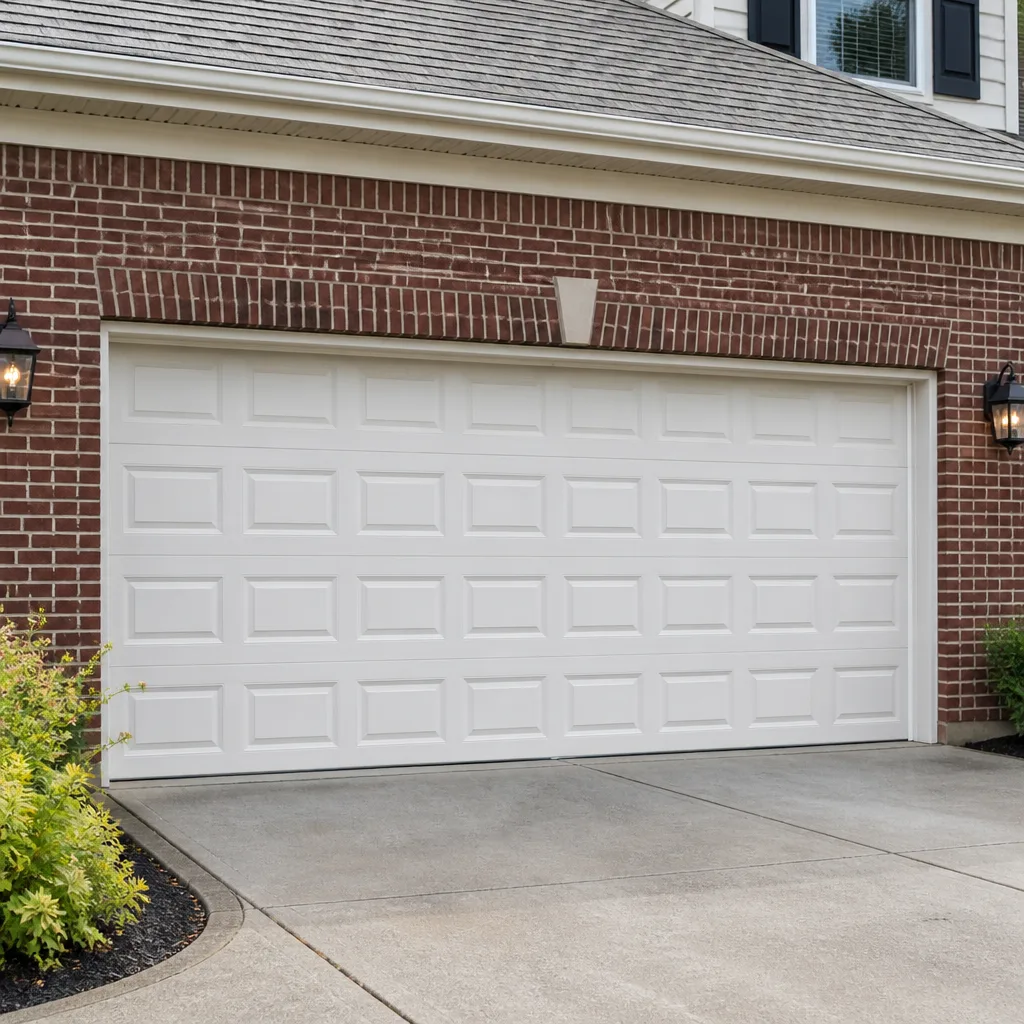 Raised-panel steel
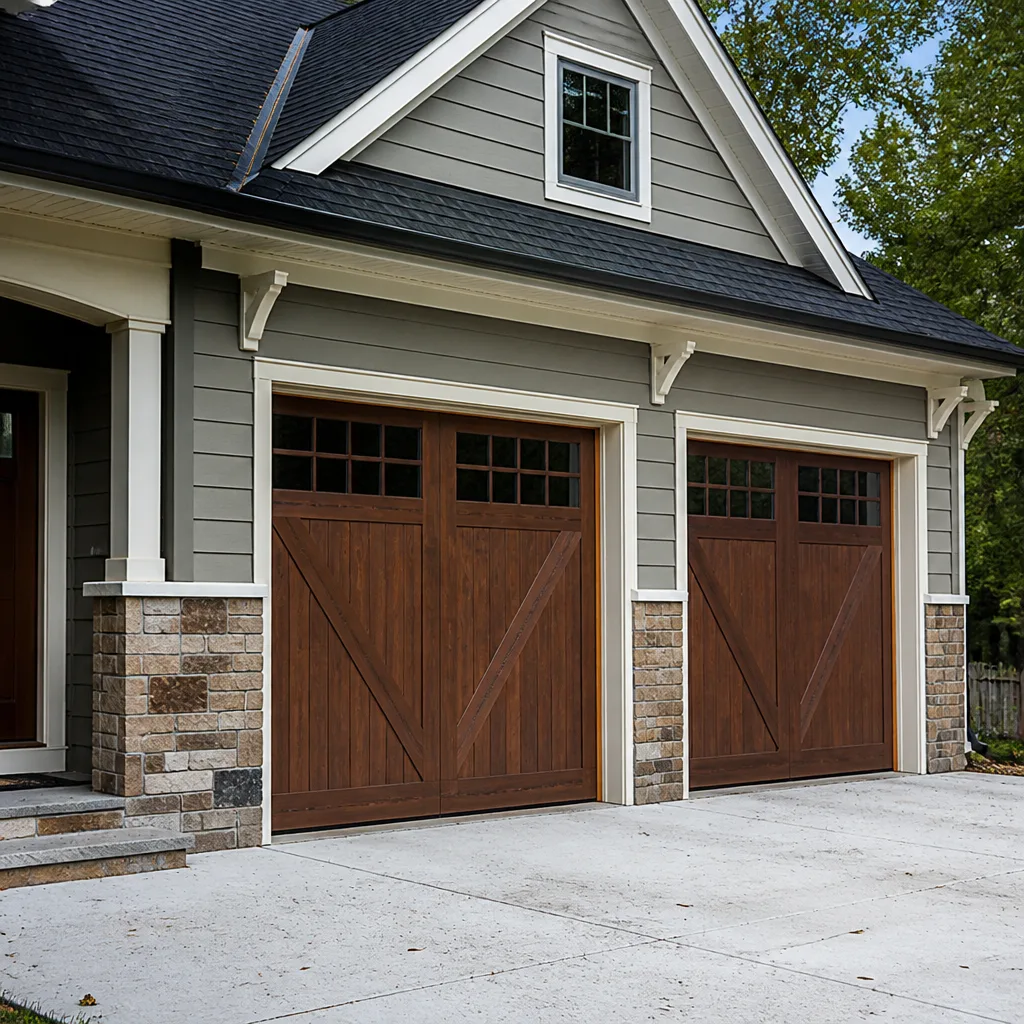 Carriage house
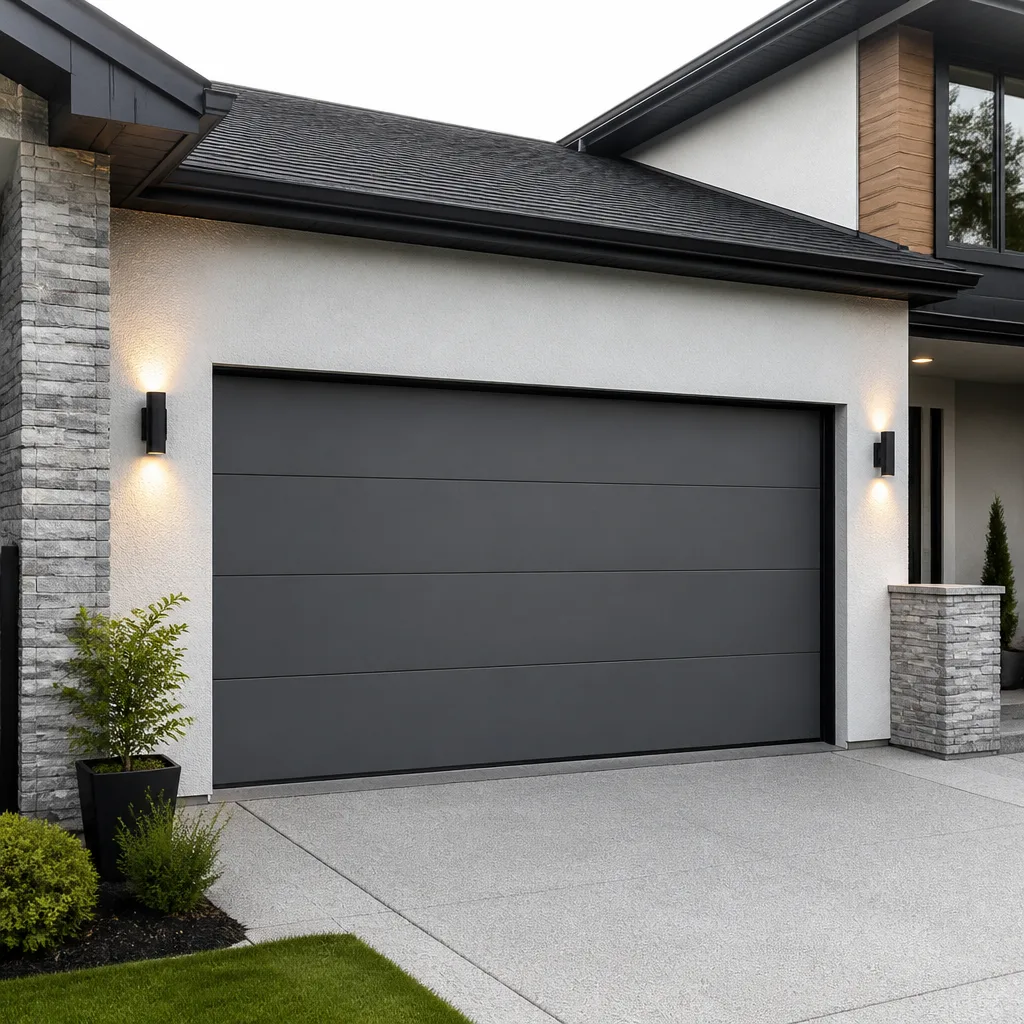 Modern flush
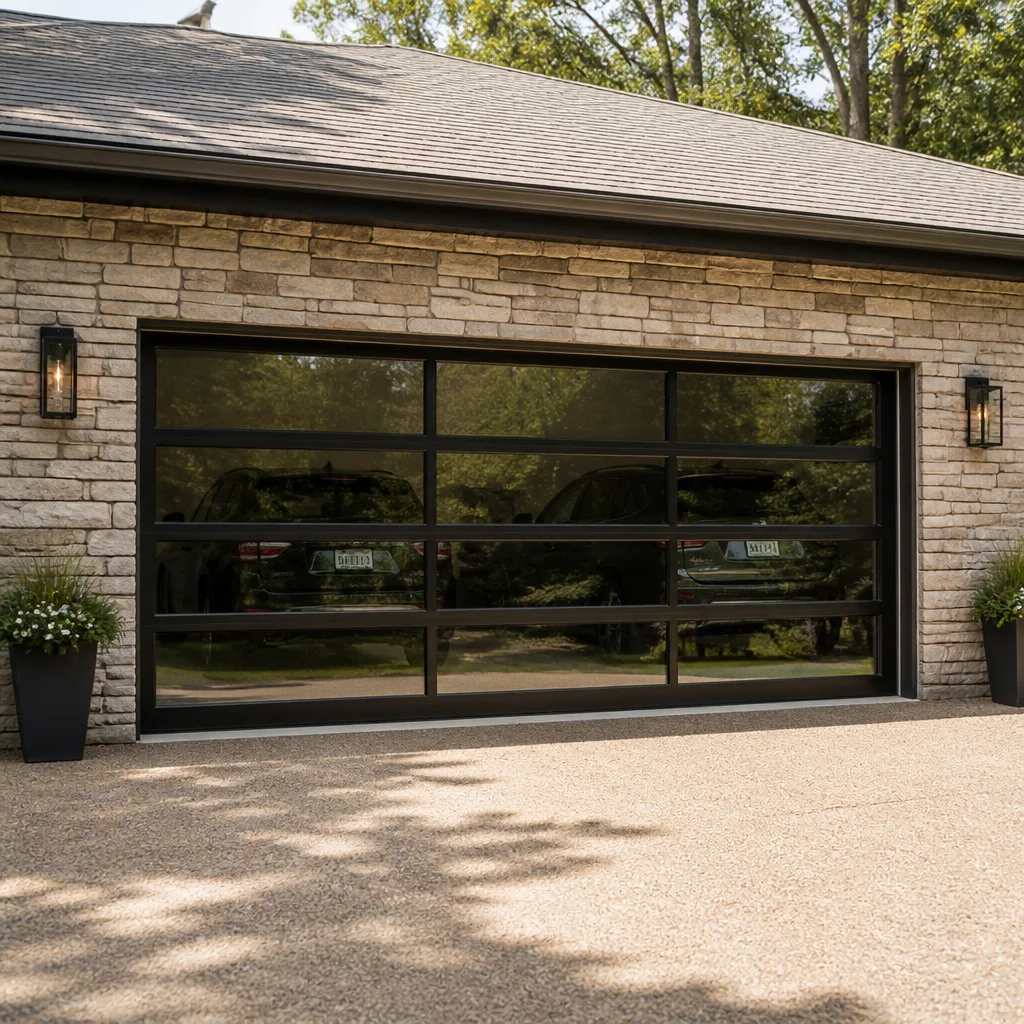 Full-view glass
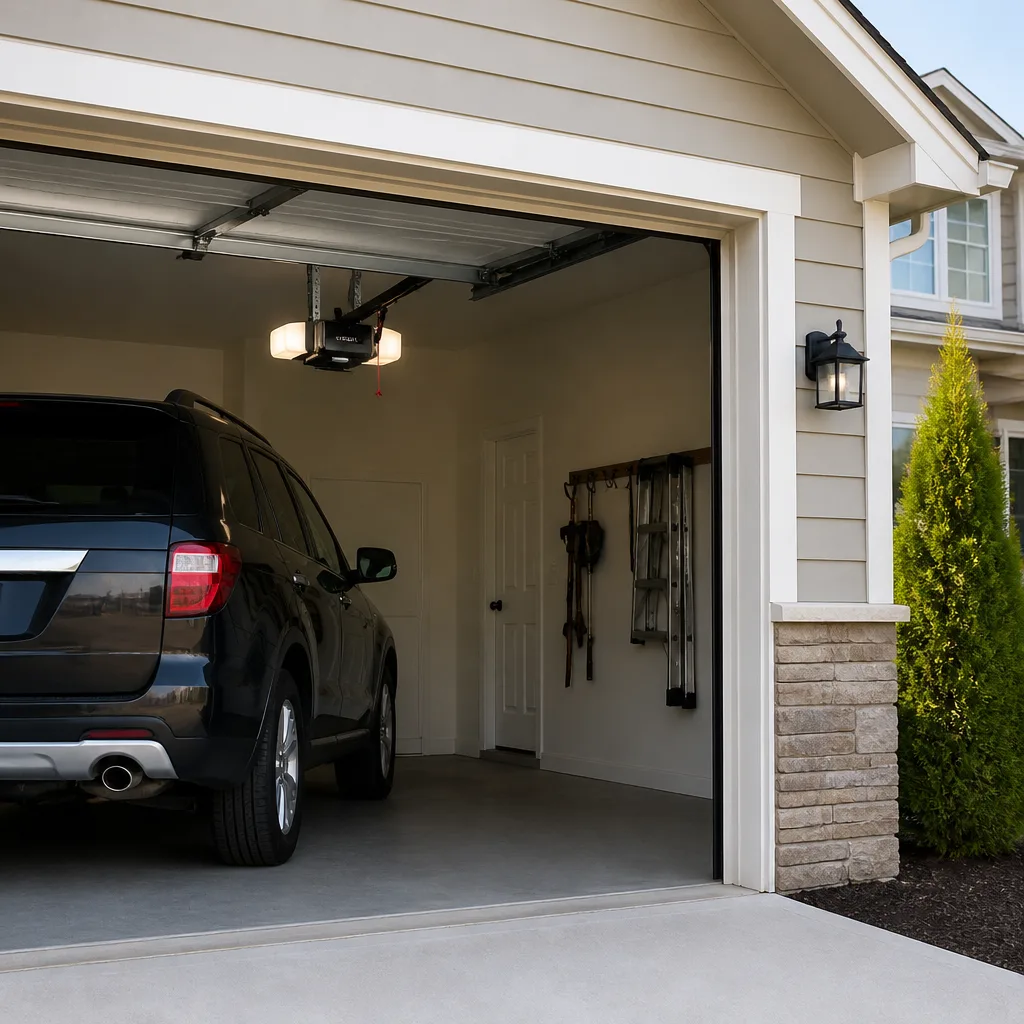 LiftMaster openers
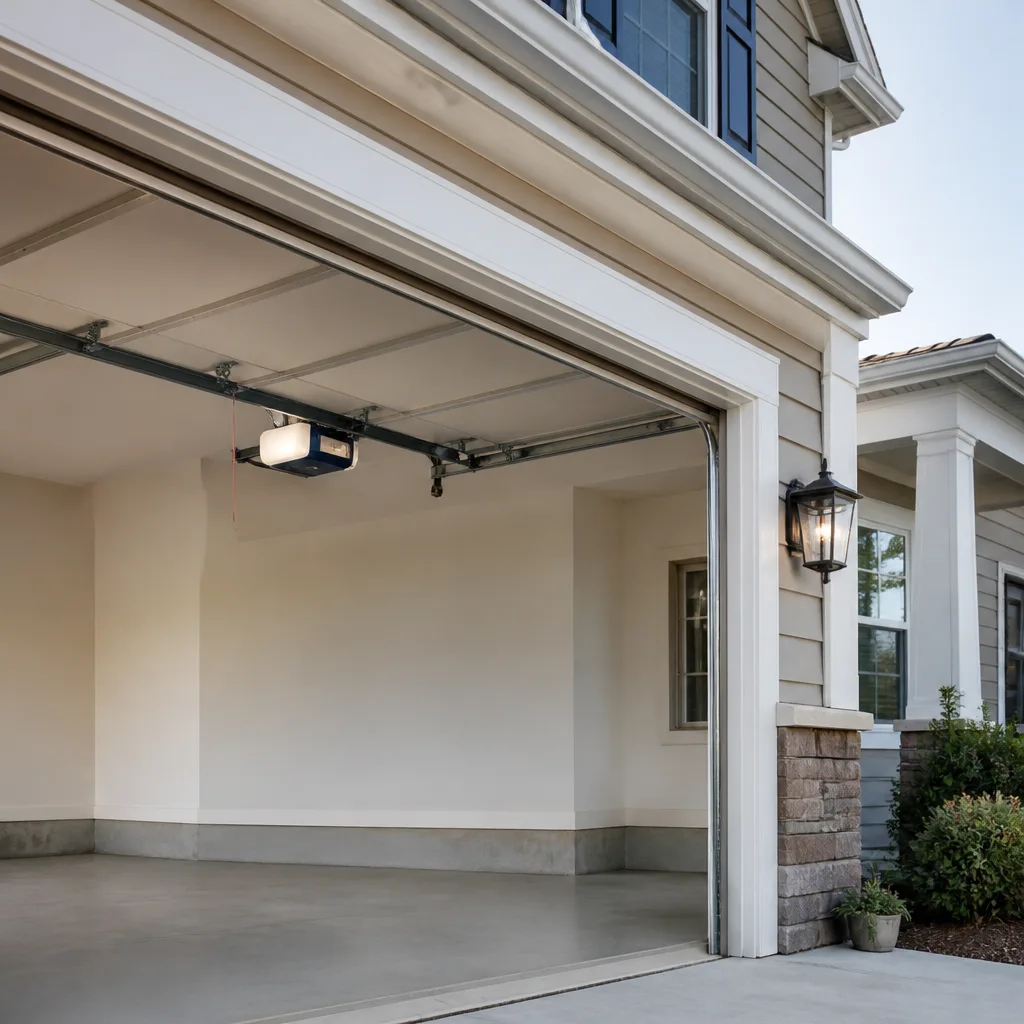 Chamberlain openers
Full 25-point door and opener safety check with every visit - springs, cables, rollers, tracks, and your LiftMaster or Chamberlain opener included
You get a price before we start. It does not change when the pro arrives.
Get your free estimateGarage Door Permits, Codes & Inspections in Fordham, NY: What You Need to Know
Most Fordham homeowners replacing a garage door assume no permit is needed, and often they’re right. But the exceptions are specific, local, and expensive to discover after the fact. Change the structural opening by even a couple of inches, widen it for a larger vehicle, or touch a door on a landmark-adjacent property, and what looked like a simple swap becomes a New York City Department of Buildings filing. In Fordham, the line between “no paperwork” and “full DOB and Landmarks review” isn’t obvious, and some contractors get it wrong too. This guide maps exactly where that line sits, what triggers a filing, and how to stay clear of a problem that surfaces years later at a home sale or an insurance claim.
Quick Answer
In Fordham, a like-for-like garage door replacement (same size, same opening, same material) usually doesn’t need a DOB permit. Anything that changes the structural opening, adds a new opening, or alters a fire-rated assembly typically does, and properties within a landmark or historic district may also need New York City Landmarks Preservation Commission approval before work starts. When in doubt, ask the DOB directly before you order a door.
- Like-for-like swap: usually no permit.
- Structural or size change: DOB filing almost always required.
- Landmark or historic district: extra LPC review on top of any DOB filing.
- Attached garage with a fire-rated door: swapping to a non-rated door can be a code violation.
Styles & brands we work with
- Raised-panel steel
- Carriage house
- Modern flush
- Full-view glass
- LiftMaster openers
- Chamberlain openers
Table of Contents
- Where the NYC DOB Line Actually Sits
- Fordham Landmark and Historic District Overlays
- Fire-Rated Doors for Attached Garages
- Filing an Alt-2 Yourself vs. Hiring a PE
- What Happens When an Unpermitted Modification Surfaces
- Inspections: What Gets Checked and When
- When a Door Fails Its Inspection
- Common Mistakes to Avoid
- When to Call a Professional
Where the NYC DOB Line Actually Sits
The New York City Department of Buildings draws a fairly clean line: repairs and replacements that don’t touch the structure are largely exempt, and anything that changes the structure requires a filing. In practice, that means the answer to “do I need a permit?” comes down to whether you’re replacing the door or modifying the opening.
A straight replacement, same rough opening dimensions, same door size, same headroom, same track layout, falls into the repair category. You’re putting a new door on the same hole. The DOB doesn’t typically require a permit for that, and neither does the garage door installation work itself change the building’s footprint or structure.
A structural modification is different. If you’re widening the opening for a larger vehicle, raising the header for a taller commercial door, changing the rough opening dimensions at all, adding a new opening where there wasn’t one, or converting a carport into an enclosed garage, you’re altering the building’s structure. That’s a DOB filing.
The bright-line rule in plain terms
- Same hole, new door: no permit, generally.
- Different hole, or new hole: permit required.
- Same hole but a fire-rated assembly changes: check with DOB, because the fire rating is part of the structure’s safety envelope.
- Landmark property on top of any of the above: add LPC review.
What surprises people is how small the change can be. Widening an opening by two inches to fit a wider car, or raising the header a few inches to clear a taller SUV, is enough to move the project from “no filing” to “full DOB submission.” The size of the change isn’t the trigger. The nature of the change is.
Our technicians have up to 9 years of experience and work in Fordham regularly, and the pattern is consistent: most residential replacements in this part of the Bronx don’t need a permit, but the ones that do are the ones where a well-meaning homeowner or an overeager contractor tried to make a small improvement without asking first. If you’re weighing a replacement in Fordham against a repair, the question of a permit is one of the first things worth clearing up. The details of how that replacement gets planned out live on our garage door installation page.
Fordham Landmark and Historic District Overlays
Fordham has landmark-adjacent buildings and stretches of older housing stock that sit near historic district boundaries. If a garage door faces a public street and the property is within a designated historic district, or is an individual landmark, the door you install has to pass New York City Landmarks Preservation Commission review before it goes up. That’s a separate review from any DOB filing, and it can add weeks to a project.
The LPC’s interest is how the door looks from the street. A standard embossed steel raised-panel door, a carriage-style Raynor, or a plain flush-panel door will each be evaluated against the district’s character and the building’s original appearance. Some districts require wood-look doors on visible elevations, restrict certain window patterns, and limit color choices. This is not a case where you can order the door you like, install it, and sort out the paperwork later. The LPC review comes first, and it determines what you’re allowed to order.
How to check whether your Fordham property is in a district
- Look up your block on the LPC’s public landmark map, or ask your architect or expediter to confirm it.
- If the property is inside a district or individually landmarked, plan on an LPC application before the door is ordered.
- Photograph the existing door from the public right-of-way in the same view a pedestrian would see it, since that’s the view the commission evaluates.
- Bring the door spec sheet, manufacturer cutaway, and a photo of a comparable installation in the same district if you have one.
- Only place the door order once the LPC signs off. Canceling an ordered door because the commission rejected the style is an avoidable expense.
In our experience, the LPC side is where a Fordham garage door replacement most often stalls. Homeowners expect to argue about springs and openers and find themselves arguing about panel profiles instead. It pays to know which side of the district line your property sits on before you commit to anything.
Fire-Rated Doors for Attached Garages
Attached garages in New York City are commonly required to separate the house from the vehicle area with fire-rated construction. The separating wall, the door between the garage and the house, and sometimes the garage door itself or the wall above it fall under that requirement. When a garage door or the door between the garage and the living space is rated and you replace it with a standard steel door that isn’t rated, you’ve made the assembly non-compliant, even if the door physically fits and works.
This is the case where the door that “looks like the old one” is legally not the old one. A rated door carries a label or specification stating its fire rating. A standard embossed steel garage door doesn’t. If a Fordham home has an attached garage, before you replace the door, confirm what was there and whether it carried a rating. Pulling the label is the only way to be sure.
What to confirm when replacing a rated door
- Does the existing door carry a fire rating label? Photograph it before removal.
- Does the door between the garage and the house have a self-closing or self-latching mechanism that’s part of the rating?
- Are the header, jamb, and sill part of the rated assembly, and are they being kept intact?
- Does the new door carry the same rating as the old one, documented on the cut sheet?
Fire-rated doors are more expensive and less flexible on style. That’s another reason to check first: if your likely door style isn’t available in a rated version for your opening, you need to know before the LPC review, not after. If you’re not sure what’s on the door now, a routine garage door repair visit is a reasonable time to have it looked at and labeled properly.
Because a fire-rated assembly is part of the building’s safety design, we always recommend a trained professional evaluate the door, hardware, and framing together rather than a like-for-like swap done on appearance alone. The mechanical work is straightforward; the compliance side is what deserves care.
Filing an Alt-2 Yourself vs. Hiring a PE
An Alt-2 filing is the NYC DOB application used for alterations that don’t affect the building’s use, occupancy, or egress in ways that would push the project to a higher filing category. Widening a garage opening or adding an opening usually fits an Alt-2. The application can be filed by the property owner or by a licensed design professional on the owner’s behalf, and that’s where the practical question lands: can you file it, or do you need an architect or engineer?
The honest answer is: it depends on the project. A simple replacement of an existing header with the same size in the same location, or a cosmetic change, may be filed by an owner with the right support. Anything that changes the structural load path, enlarges an opening, adds a new opening, or touches a rated assembly should involve a licensed professional engineer or registered architect because the DOB will want stamped drawings showing the structural solution. Filing an Alt-2 with drawings that don’t answer the structural question is how filings get rejected and projects sit.
When you can file yourself vs. when you need a PE
- You can likely file yourself: same-size opening replacement with identical structural conditions and no rated assembly change.
- You need a PE or architect: widening or raising the opening, new openings, changes to the header, changes to the load path, or any structural modification that requires sealed drawings.
- You need an expediter or filing service in either case: navigating DOB NOW, paying filing fees, and scheduling inspections is easier with someone who does it regularly.
Our role when a project needs a filing is to coordinate the door specification and installation with whatever the filed drawings require. We don’t sign drawings or pull permits on your behalf, but the door that gets installed has to match the approved filing, and we’ll make sure it does. Get the drawings and permits sorted first, then order the door.
What Happens When an Unpermitted Modification Surfaces
Skipping a permit doesn’t make the problem go away. It delays it. When an unpermitted garage door modification surfaces later, it surfaces at the worst possible moments: during a home sale, during an insurance claim, or during a refinance when the lender orders an inspection.
At a home sale, a title search and an inspection can turn up an opening that doesn’t match the certificate of occupancy or the DOB records. The buyer’s attorney will ask for proof of filing, and if there isn’t one, the sale can be held up while the modification is legalized, removed, or negotiated as a price reduction. In a slow market that’s a hard conversation. In a fast one it can be the difference between a deal closing and not.
At an insurance claim, an adjuster looking at a garage door loss, whether from a vehicle strike, a failed spring that dropped a door, or a structural failure, may ask whether the modified opening was permitted. An unpermitted modification doesn’t automatically void every policy, but it can complicate coverage for the modified element and it gives the carrier a question to investigate before paying. That’s the last thing you want in the middle of a claim.
How an unpermitted door usually surfaces
- Home sale inspection: the opening doesn’t match the CO or the DOB record, or the door spec doesn’t match the drawings.
- Insurance claim: the adjuster asks for a permit record on a modified opening.
- Refinance appraisal: the appraiser notes the change and the lender asks for documentation.
- DOB complaint: a neighbor or a subsequent owner files a complaint about the structure, which brings an inspector to the property.
The fix is legalizing the work after the fact, which usually means an engineer, new drawings, a filing, and an inspection, at a cost higher than if the permit had been pulled first. The easier path, always, is to ask before the work starts. If you’re not sure whether a garage door in Fordham is compliant, the safest move is to have someone who works on doors look at it and tell you what’s likely to be an issue. That’s basic Garage Door Repair Fordham territory.
Inspections: What Gets Checked and When
When a garage door project does include a DOB filing, the inspector’s job is to confirm the installed work matches the approved drawings and the code requirements for that assembly. That’s a different inspection from the LPC review, which happens on paper before installation. Both matter, and they happen at different points.
The inspection side is usually straightforward if the filing was done correctly and the install matches it. Where projects fail inspection is where the installed door doesn’t match the approved door spec, where the header isn’t built the way the drawings show, or where the rated assembly was treated as an ordinary one.
What the inspector typically checks
- The rough opening dimensions match the approved drawings.
- The header, jamb, and any structural elements match the approved design.
- The door type and rating match the spec on the filing.
- The fire-rated assembly, if applicable, is intact and labeled as required.
- Safety equipment, including the opener’s reversing mechanism, functions correctly if the opener was part of the scope.
On the LPC side, what gets reviewed is the appearance of the door from the public right-of-way, including panel profile, window pattern, color, and material. Approval comes before the install, not after. If you install first and the LPC review fails, you’re in removal territory.
Opener and safety inspections in Fordham
Separately from permits, an opener that fails to reverse when it meets an object, or photo-eye sensors that are misaligned or bypassed, are a safety problem in any Fordham home. These aren’t usually part of the permit inspection, but they’re what a competent garage door opener repair visit should include as a matter of course. If a door gets dropped onto a car or a person because the opener didn’t reverse, the resulting claim is far larger than the cost of having the safety system checked. We look at both the mechanical and electronic sides together because they fail together more often than people expect.
When a Door Fails Its Inspection
Failure isn’t always a compliance issue. Sometimes the assembly itself is bad enough that it can’t pass a responsible inspection regardless of paperwork. A garage door that’s structurally compromised, that can’t reverse on its opener, or whose spring system is ready to fail is not just a permit problem, it’s a safety problem.
In Fordham, the usual culprits are doors that were modified over time, springs that have been replaced with the wrong size, and openers that were installed by someone who didn’t check the balance of the door. Each of these is fixable, but the fix has to include the door’s mechanical condition, not just a new label.
What to make sure of before an inspection
- The door runs level and doesn’t bind, catch, or fight the opener.
- The spring (torsion or extension) is the correct size for the door’s weight and is showing no signs of fatigue.
- The opener reverses on contact with a solid object at the floor.
- The photo-eye sensors are aligned and functional, and the opener’s app or remote responds reliably.
- Any rated assembly carries its label and the door’s rating matches the specification.
- All hardware is secure, with no loose brackets or missing fasteners.
A trained technician should always be the one to check springs. A torsion spring under tension is the part of a garage door system most likely to cause serious injury, and a failed extension spring can send parts across the room. That’s not a DIY repair. We handle springs so the homeowner never has to get near one. If a Fordham property manager is dealing with a spring failure on a tenant’s door, a call is easier than a near miss.
When a door fails on the mechanical side, the repair path is usually fast, and an opener replacement for a LiftMaster or Chamberlain unit whose safety system has gone bad is a common fix. A Genie unit with a broken logic board isn’t fixable and is usually worth replacing rather than chasing. Knowing which is which is what saves a call.
Common Mistakes to Avoid
- Assuming every replacement is permit-free. Straight swaps usually are. Widening the opening for a larger vehicle almost never is, and the size of the change doesn’t determine whether a filing is required. The nature of the change does.
- Ordering a door before checking landmark status. In a Fordham landmark or historic district, the LPC reviews the door’s appearance before install. Order a door the commission then rejects, and you’re paying to store it or cancel it.
- Swapping a rated door for an unrated one. If an attached garage door carried a fire rating, the replacement has to carry the same rating. A standard steel door that “looks right” isn’t compliant in an assembly that was rated.
- Filing an Alt-2 with generic drawings. If the drawings don’t show the actual structural solution, the filing gets kicked back. Use a PE for anything that touches the load path or the opening dimension.
- Using a handyman for a filing-triggering project. A generalist can hang a door. Getting the door spec, the filing, and the install to line up is the part that trips up projects, and it’s where a specialist earns their keep.
- Forgetting the opener when the opening changes. A widened opening takes a different door weight, which needs a different spring, and can need a different opener. Coordinate all three or you’ll be back at the permit desk.
- Ignoring safety on the fire-rated assembly. The self-closing or self-latching hardware on a rated door is part of the rating, not an accessory. Skipping it fails the assembly.
When to Call a Professional
Call a professional whenever the door has to be replaced, modified, or checked against a filing, and especially when any part of the project involves springs, an opener’s safety system, or a rated assembly. If you’re widening an opening, raising a header, or planning a door on a landmark-adjacent Fordham property, call before you order anything, because the door you can install may not be the door you can order. If a door fails inspection, a professional can diagnose whether the failure is mechanical or compliance-related and tell you what the fix involves. Garage Door Repair Fordham offers free estimates in Fordham. Call (855) 901-9670.
Our technicians have up to 9 years of experience, we work on LiftMaster, Chamberlain, Genie, Raynor, and other major brands, and we can coordinate the mechanical work with the compliance side of a Fordham replacement so all three pieces move together. The local pro is licensed and insured as their state requires. Every price is quoted and agreed before any work starts.
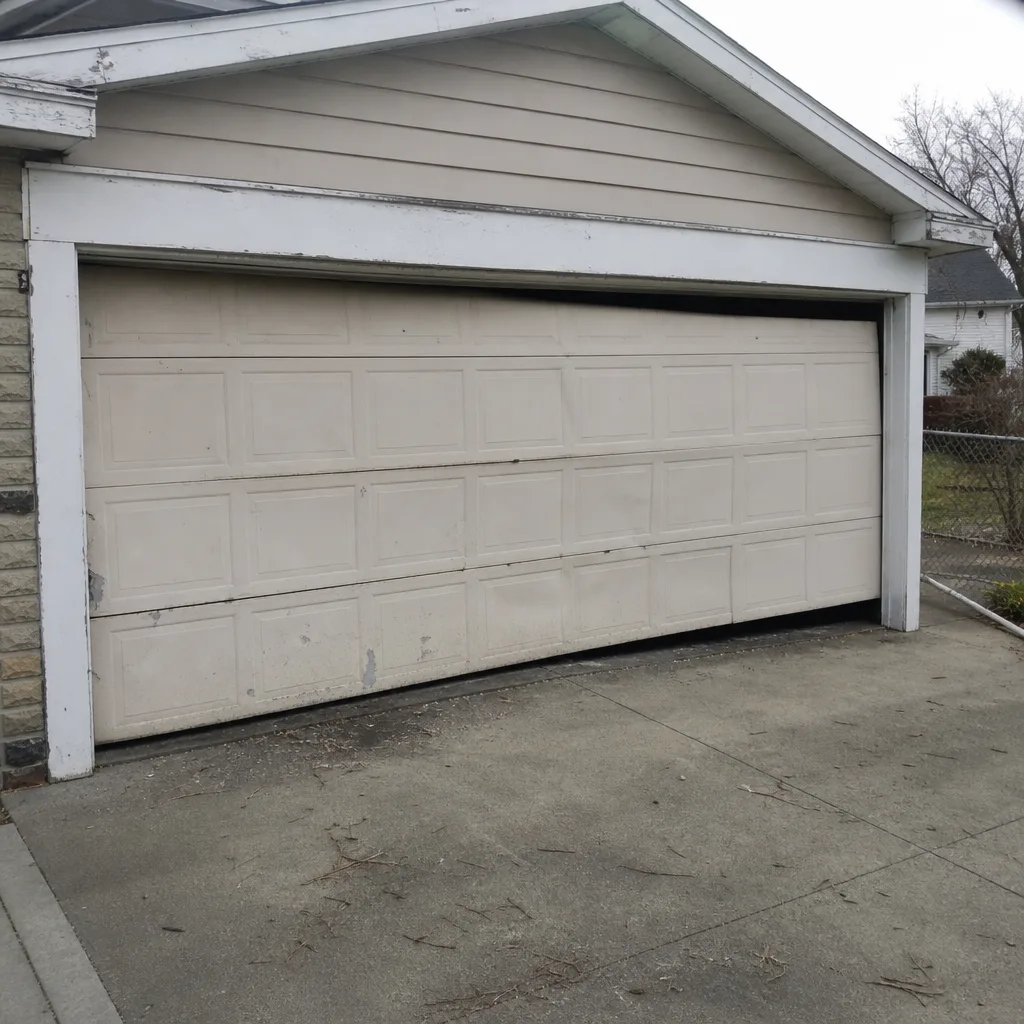
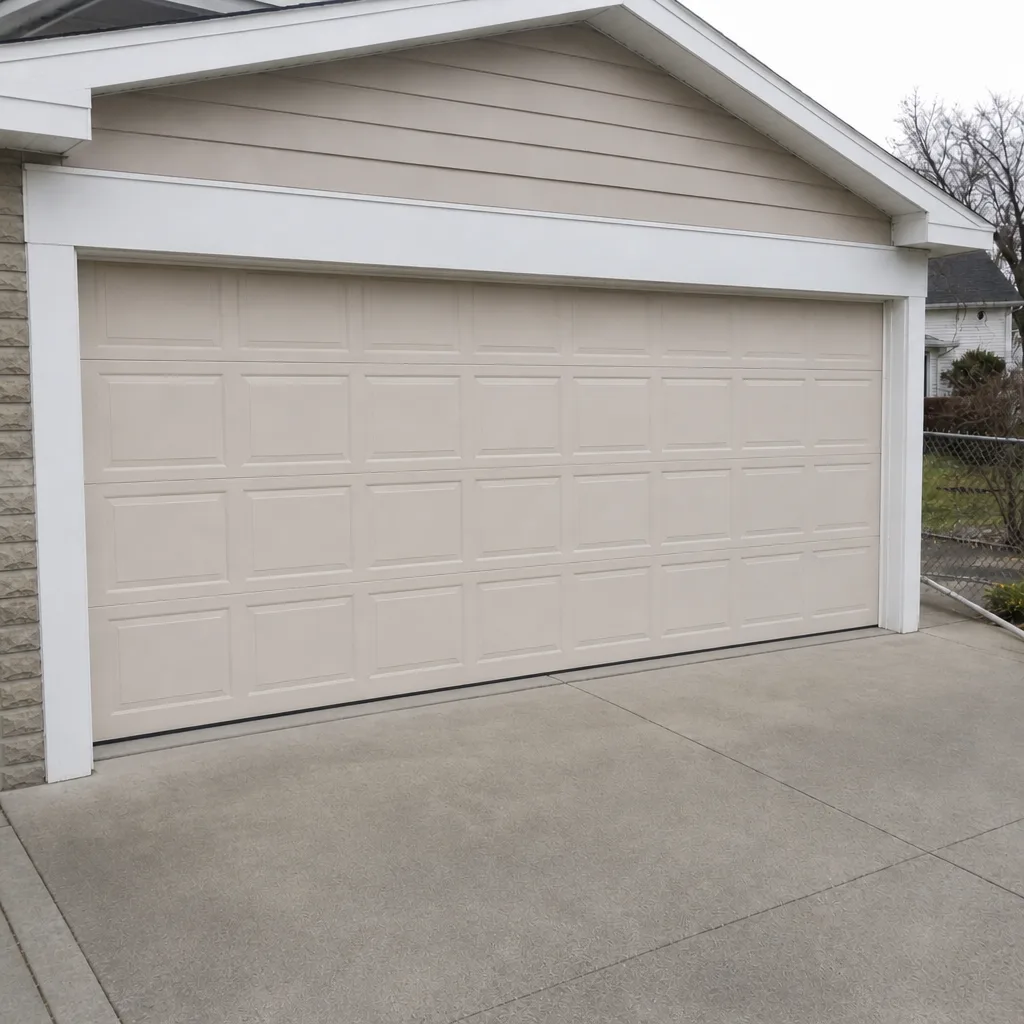
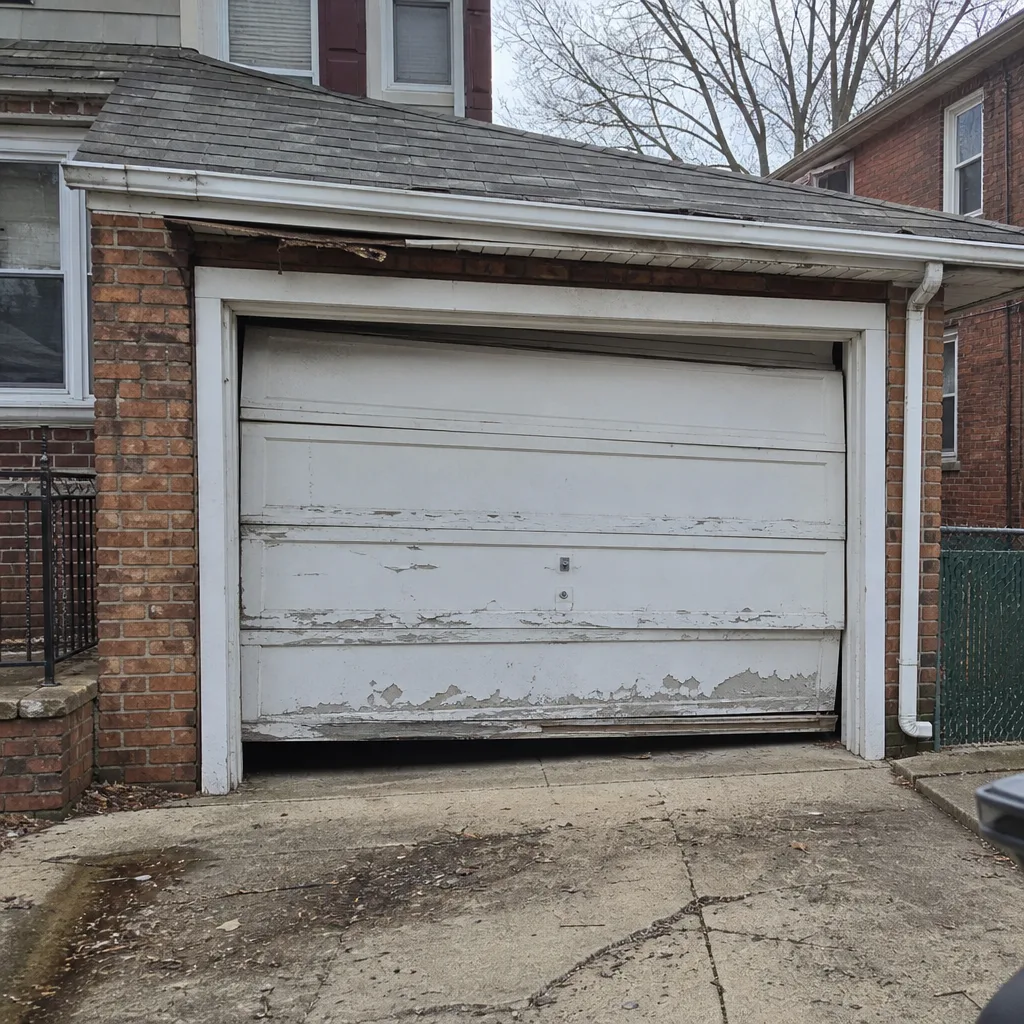
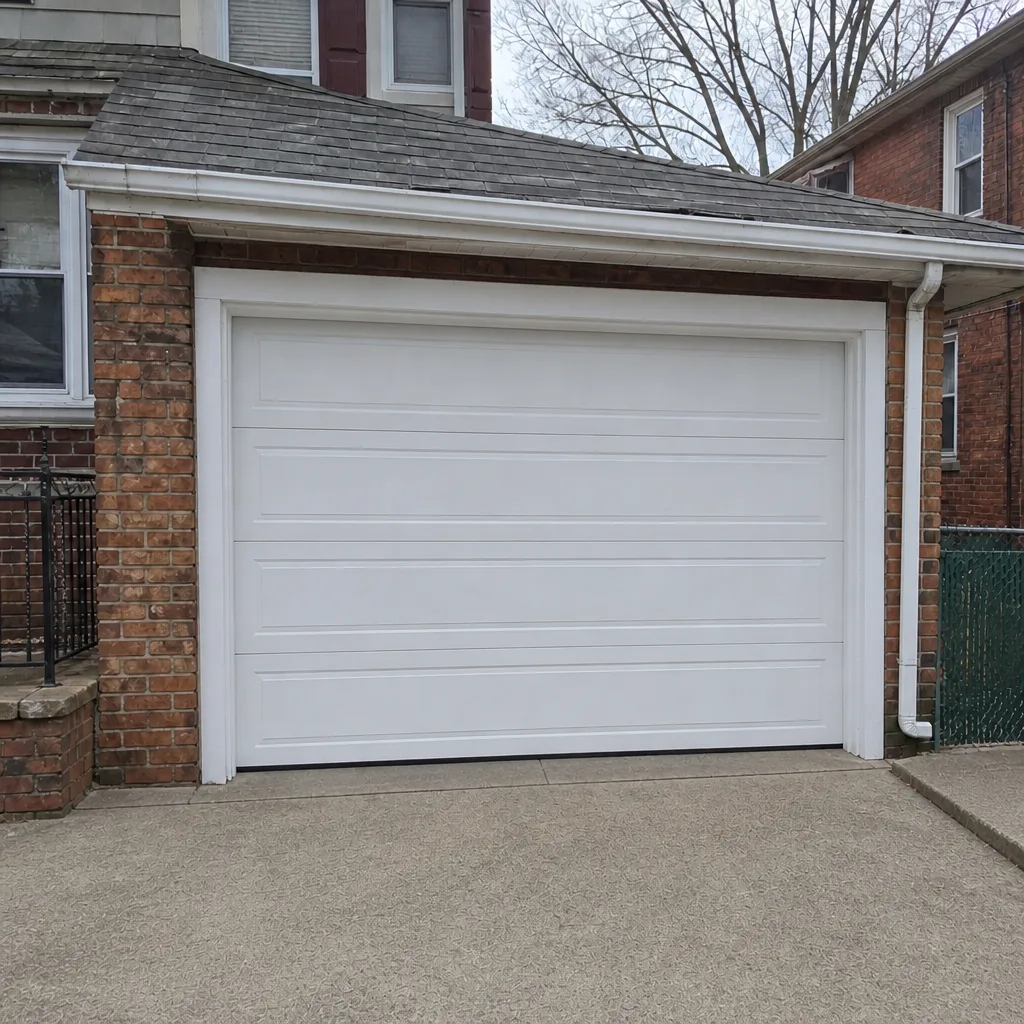
See the difference
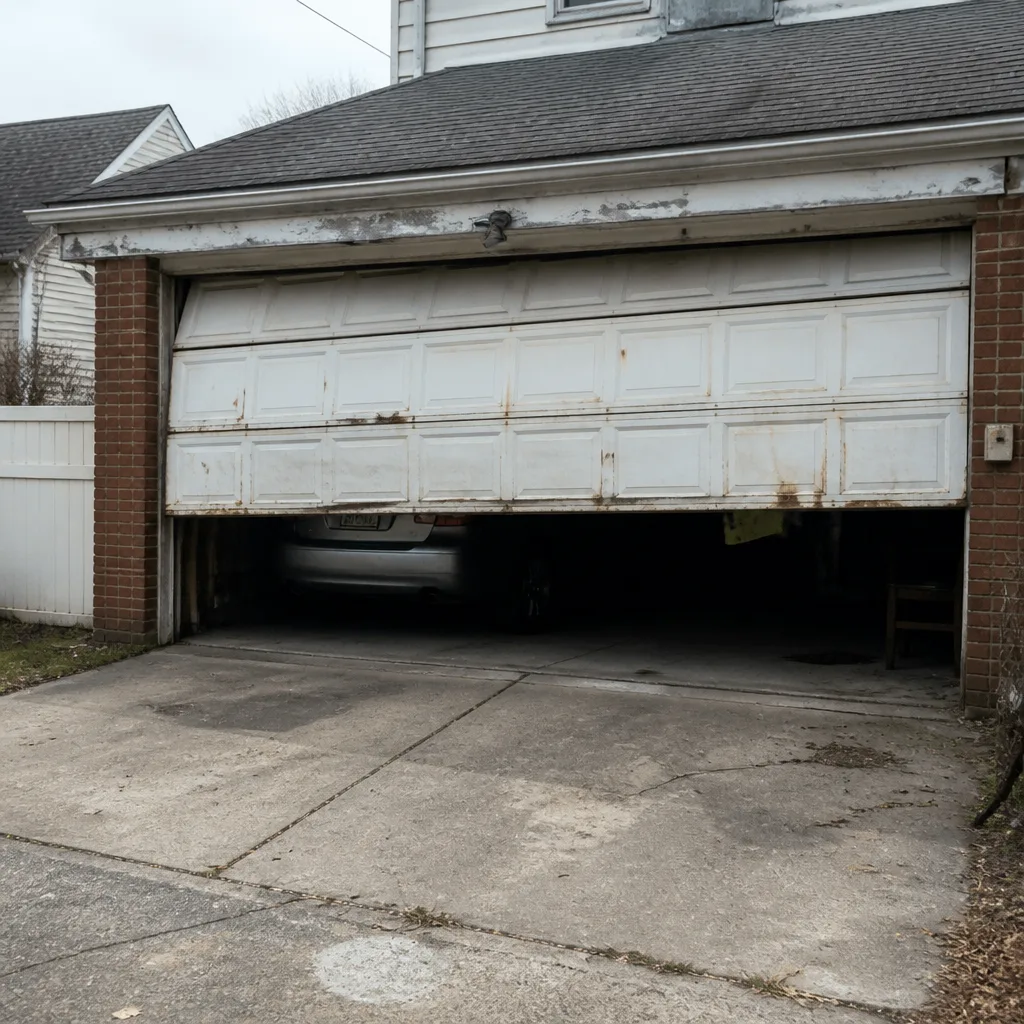 Before
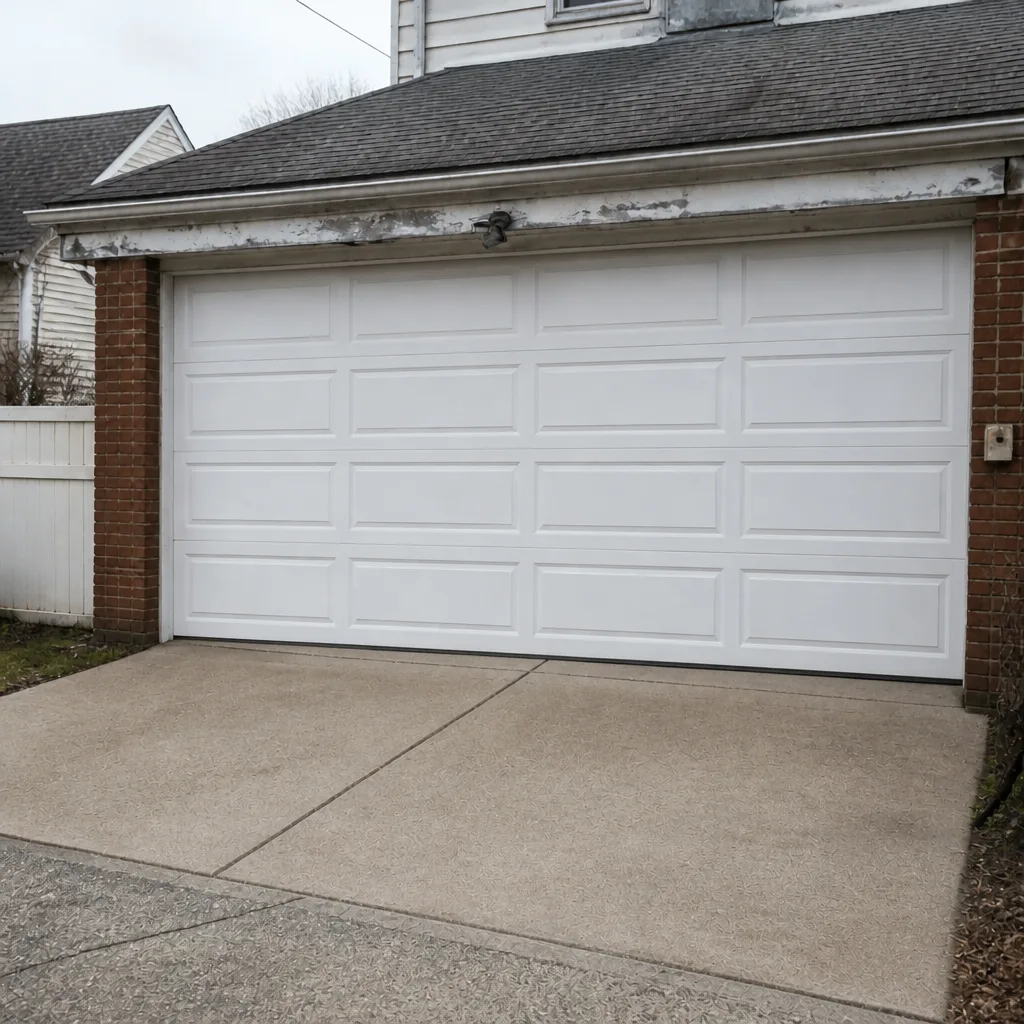 After
 Before
 After
 Before
 After
Frequently Asked Questions
Usually no, if you’re replacing the door like-for-like without changing the structural opening or a fire-rated assembly. You do need a permit when the project changes the size of the opening, adds a new opening, or modifies the structure. Landmark or historic district properties in Fordham may also need LPC approval before install, so check both before you order the door. Call (855) 901-9670 for an exact quote – estimates are free.
The cost is mostly in engineering, drawings, filing fees, and possible removal or rebuild, plus a separate inspection. It’s always more than having filed the permit before the work started. The price depends on whether the opening can be legalized or has to be brought back to code, so the only reliable way to know is to have the situation reviewed. Call (855) 901-9670 for an exact quote – estimates are free.
Spring repair pricing depends on the door’s weight, the spring type, and whether it’s a single spring or a matched pair, which is usually replaced together. The written estimate sets the final price, and we don’t start work until you’ve agreed to it. Call (855) 901-9670 for an exact quote – estimates are free.
Yes. Emergency garage door service is a real offering here, not a scheduled appointment wrapped in a different name. If your door is stuck open or won’t close, call and we’ll tell you what’s available the same day, and we do take calls on Sundays. Call (855) 901-9670 for an exact quote – estimates are free.
No. Every job is quoted and agreed before any work starts, so the price you approve is the price you pay. If a Fordham door turns out to have a mechanical problem you couldn’t see on the initial call, we discuss it with you and get a new written estimate before proceeding. Call (855) 901-9670 for an exact quote – estimates are free.
Yes. The local pro we connect you with is licensed and insured as their state requires. Our technicians have up to 9 years of experience, and we handle spring repair and fire-rated assemblies with trained hands rather than general handyman guesswork. Call (855) 901-9670 for an exact quote – estimates are free.
Attached garages commonly need a fire-rated separation between the vehicle area and the living space, and if the existing door carries a rating, the replacement has to carry the same rating. Photograph the label on the old door before removal. If you’re not sure what’s on the door now, have a trained technician look at it before you order a replacement. Call (855) 901-9670 for an exact quote – estimates are free.
You can file a simple same-size replacement yourself, but anything that changes the opening, the header, or the structural load path needs a licensed engineer or architect to sign drawings. Filing without the structural detail is the fastest way to a rejection. For a Fordham project, coordinate the filing first and order the door second. Call (855) 901-9670 for an exact quote – estimates are free.
The Bottom Line
In Fordham, the permit question comes down to a single test: are you replacing the door on the same structural opening, or changing the opening? Same hole, no permit. Different hole or new hole, DOB filing. On top of that, landmark and historic district properties need LPC approval on the door’s appearance, and attached garages with a rated assembly need a rated replacement. Getting this right before the door is ordered costs almost nothing and saves the difference at a home sale, an insurance claim, or a refinance. Our technicians have up to 9 years of experience, and we’re set up to handle the door, the opener, and the spring in the same visit. Reach out to the team at Garage Door Repair Fordham for a free estimate. Call (855) 901-9670.
Written by the team at Garage Door Repair Fordham.