Last updated November 21, 2026
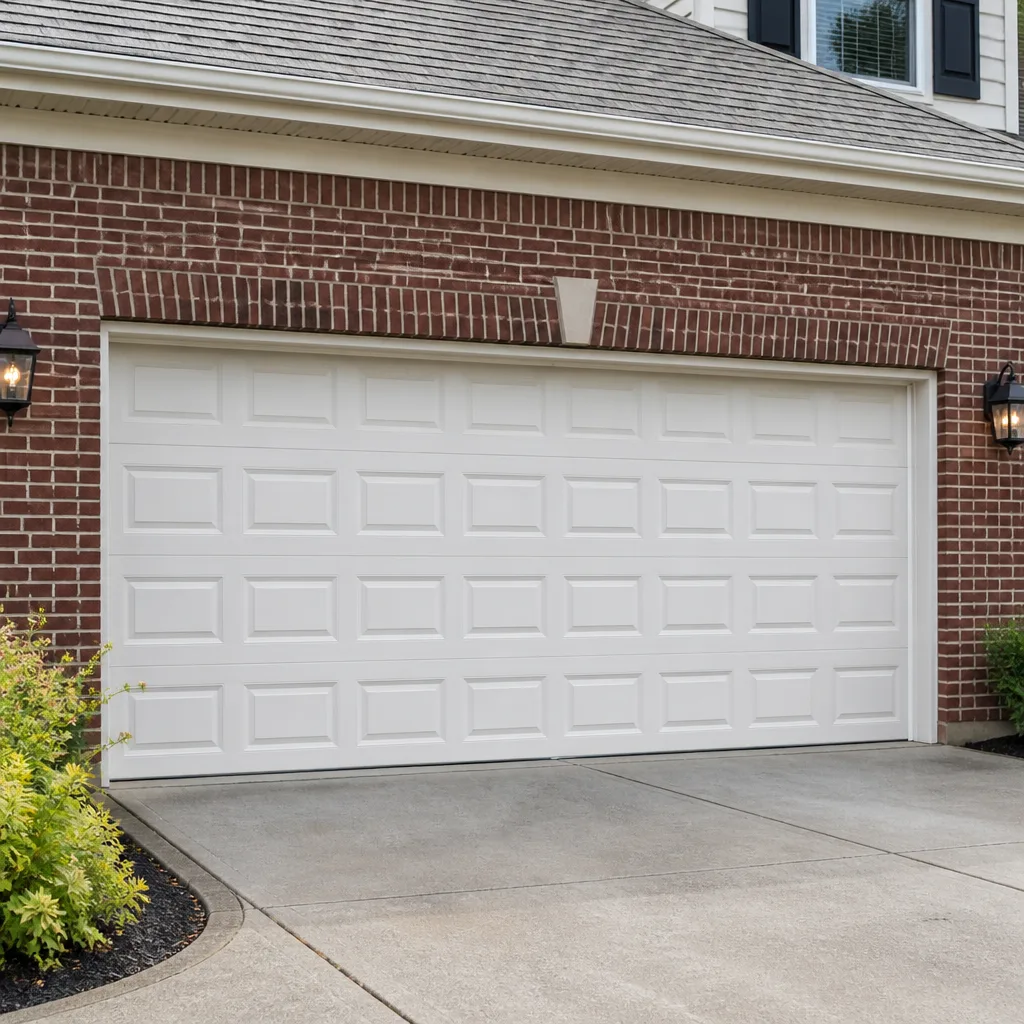 Raised-panel steel
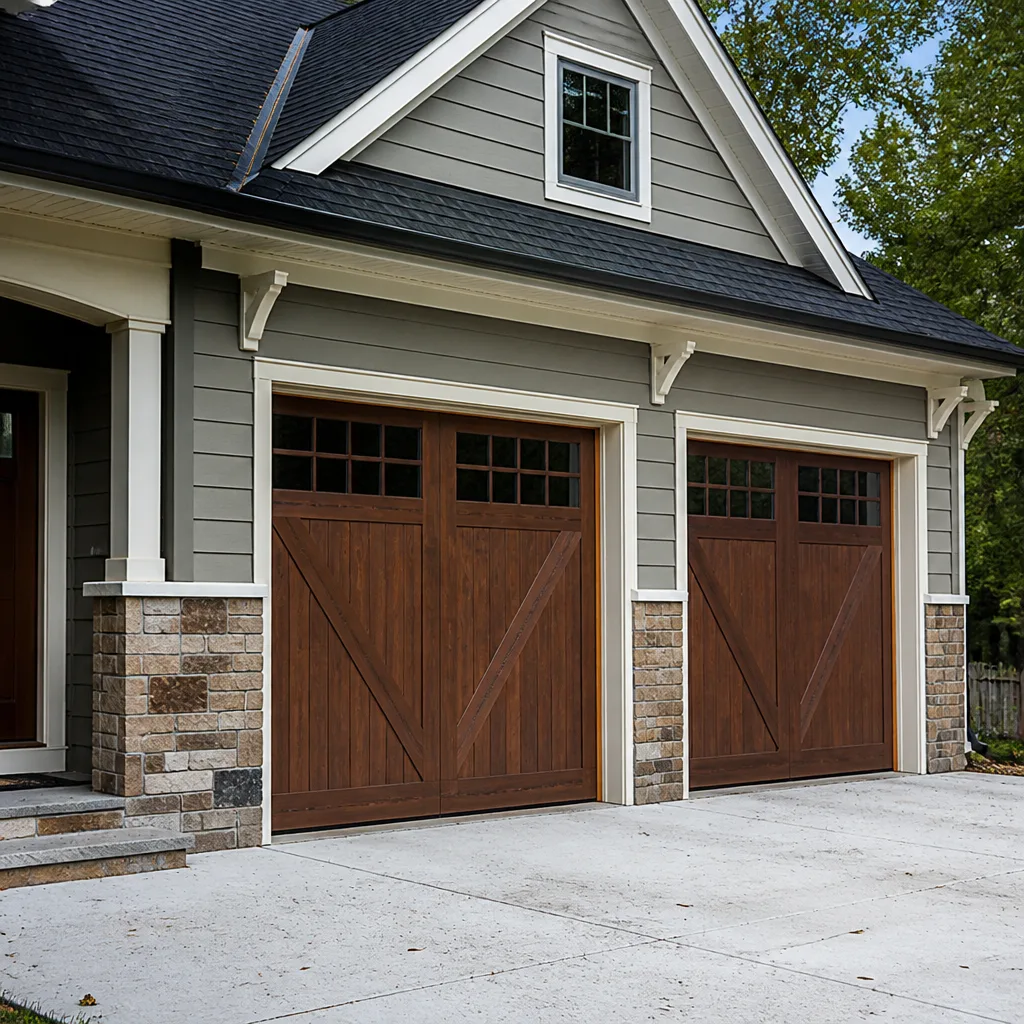 Carriage house
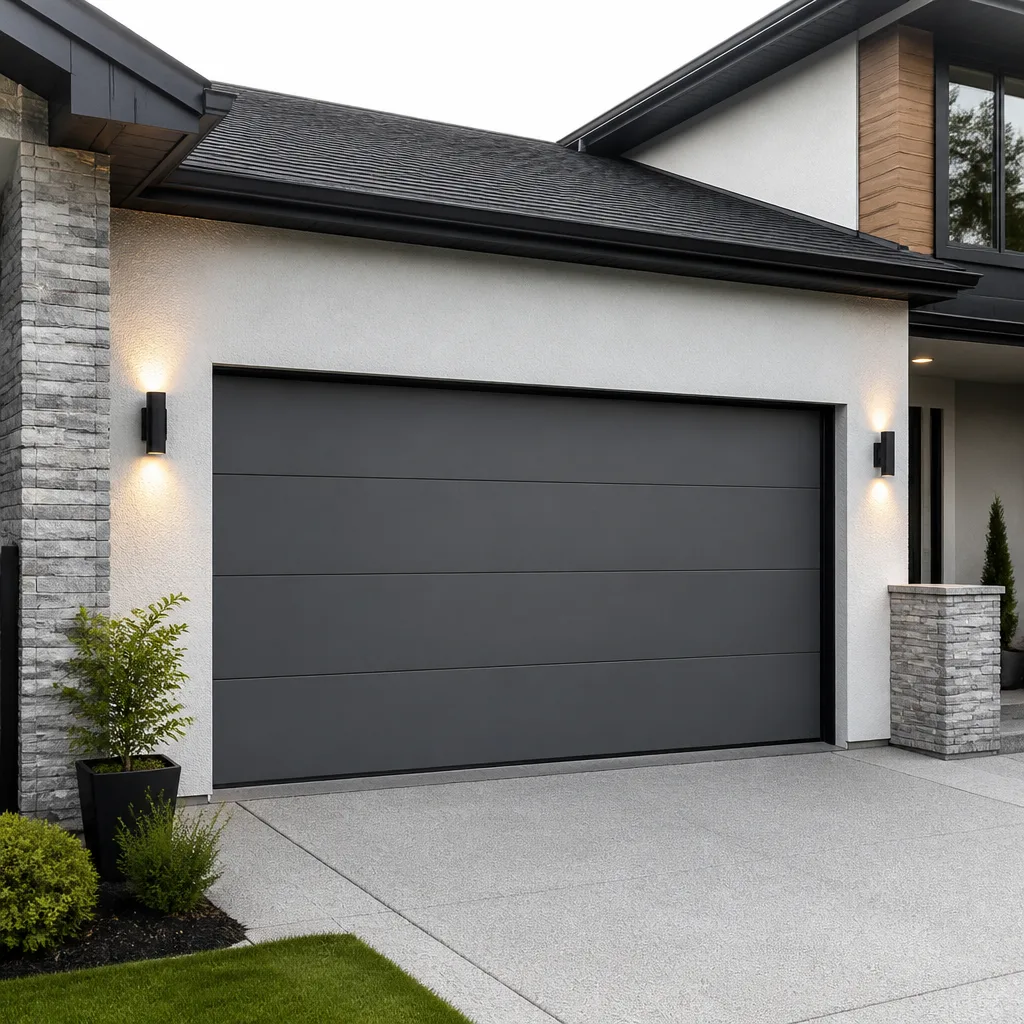 Modern flush
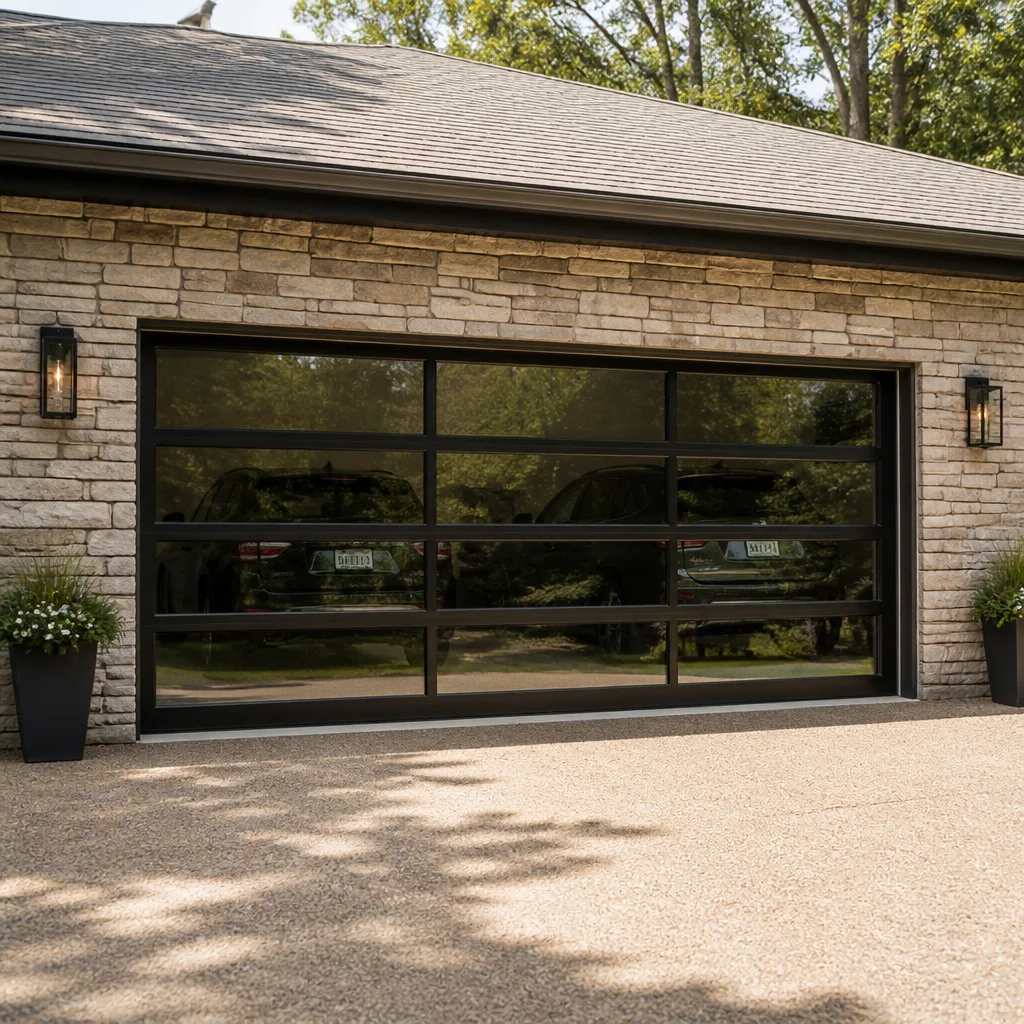 Full-view glass
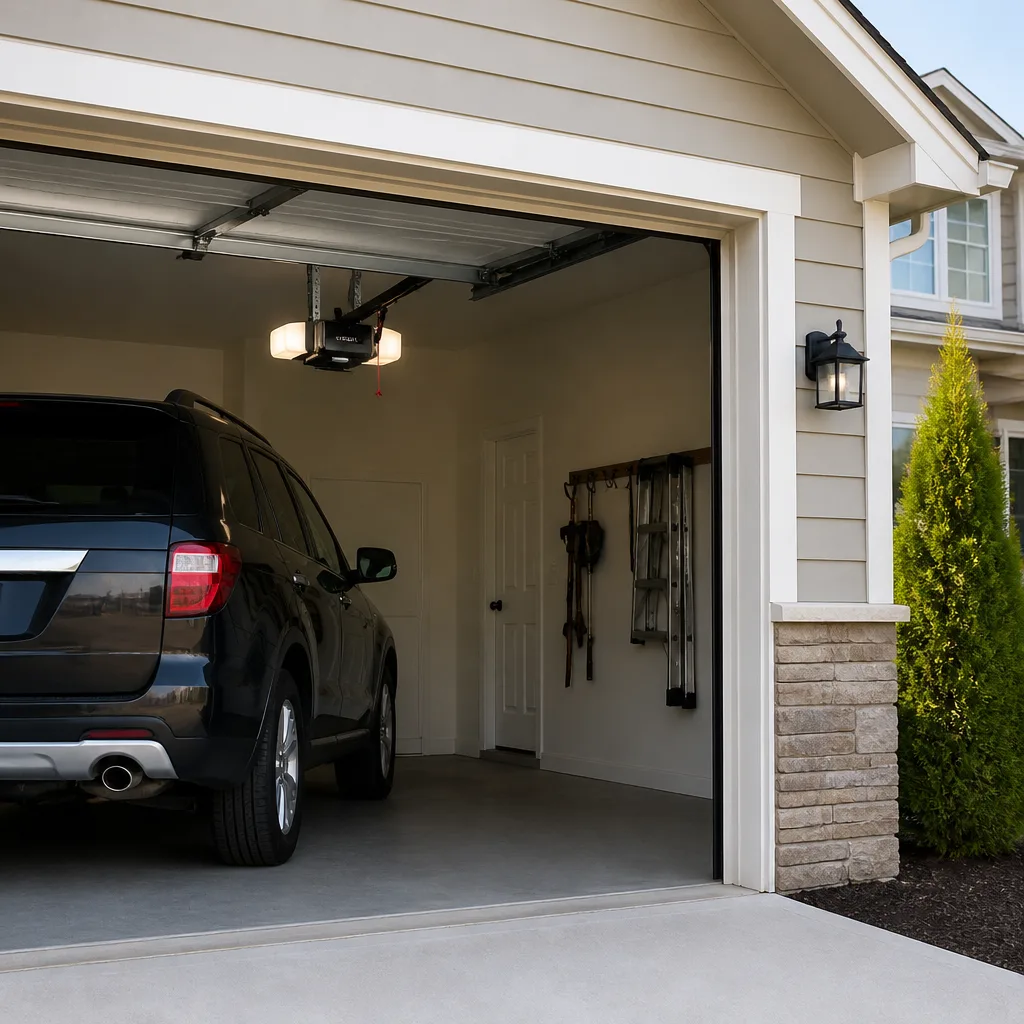 LiftMaster openers
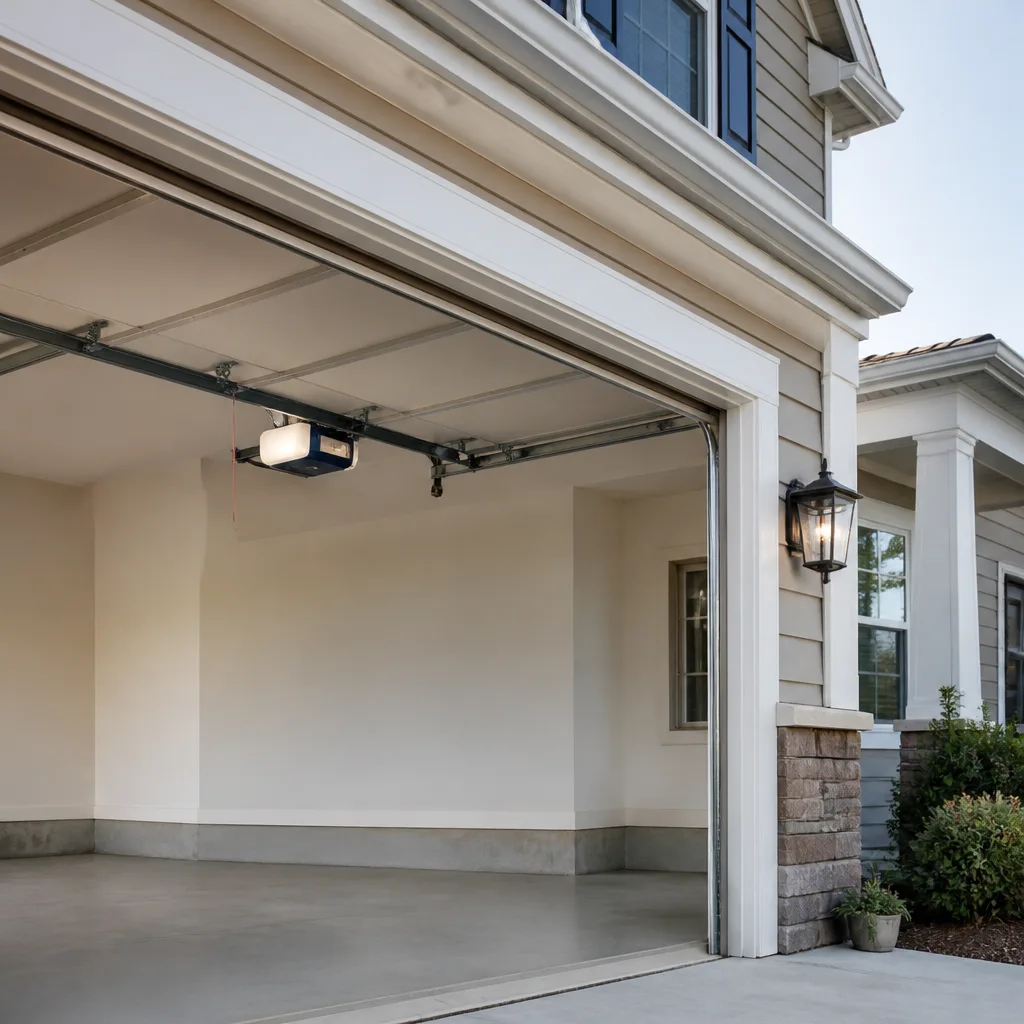 Chamberlain openers
Full 25-point door and opener safety check with every visit - springs, cables, rollers, tracks, and your LiftMaster or Chamberlain opener included
You get a price before we start. It does not change when the pro arrives.
Get your free estimateSeasonal Garage Door Care for Fordham: Year-Round Homeowner’s Guide
Most garage door advice is written for a climate that doesn’t exist here. You’ll read that you should “service your door in spring and fall” and leave it at that, which sounds reasonable until you consider what a Fordham year actually does to wood, steel, rubber, and springs. Our seasons aren’t gentle transitions. They’re a humid summer that swells panels and rusts hardware, a hard freeze that turns cold metal brittle, and a thaw that heaves concrete and warps seals. Each one asks something different of your door. This guide walks through the Fordham garage door calendar month by month, so you know what to check, when to check it, and when to stop and call someone. By the end you’ll understand why timing matters more than any single task.
Quick Answer
The best time to service a garage door in Fordham is mid-October, after the summer humidity drops but before the first hard freeze, when you should inspect seals, check spring tension, and switch to a cold-weather lubricant. Skip that window and the cold months tend to force the issue with snapped springs and cracked bottom seals. Year-round care in Fordham means matching each task to the season that causes the wear, not following a generic spring-and-fall checklist.
Styles & brands we work with
- Raised-panel steel
- Carriage house
- Modern flush
- Full-view glass
- LiftMaster openers
- Chamberlain openers
Table of Contents
- Why Fordham’s Climate Is Hard on Garage Doors
- July and August: Humidity, Swollen Panels, and Tight Tracks
- The October Pre-Winter Sequence
- January and February: Why Springs Fail in the Cold
- March Thaw: What to Check After a Fordham Winter
- Late Spring: Rollers, Hinges, and Beating the Heat
- The Fordham Garage Door Calendar at a Glance
- Common Mistakes to Avoid
- When to Call a Professional
- Frequently Asked Questions
Why Fordham’s Climate Is Hard on Garage Doors
A garage door is a machine made of materials that each respond to temperature and moisture differently. Wood swells when it absorbs water and shrinks as it dries. Steel expands in heat and contracts in cold. Rubber seals stiffen when the temperature drops. Springs are under constant tension, and that tension changes with the weather. In a place with four distinct seasons, all of these materials move against each other, over and over, year after year.
Fordham sits in the Bronx, and the seasonal swings here are wide enough to matter. Summers bring stretches of high humidity. Winters bring repeated freeze-thaw cycles, where daytime melting and overnight refreezing work on concrete, seals, and metal. The shoulder seasons, spring and fall, are the brief windows when conditions are stable enough to do preventive work that will hold.
That’s the core idea behind this guide: in Fordham, maintenance isn’t about doing the same tasks twice a year. It’s about doing the right task at the right time so the season ahead doesn’t undo your work. A lubricant that’s perfect in July turns gummy in January. A seal that looks fine in October may crack by February. Understanding the calendar lets you stay ahead of both.
We work on doors across Fordham, from older wood-paneled models to newer steel and aluminum doors with modern openers, and the seasonal pattern holds regardless of brand. Whether your door is a Clopay, an Amarr, or a Wayne Dalton, the materials behave the same way when the weather turns. Our technicians have up to 9 years of experience reading these seasonal failure patterns, and the calendar below reflects how we actually think about timing.
July and August: Humidity, Swollen Panels, and Tight Tracks
Summer humidity is the quiet problem in Fordham. It rarely causes a dramatic failure. Instead, it works slowly on wood components and steel hardware, and the effects show up months later when the weather changes and something no longer lines up the way it should.
Wood garage door panels absorb moisture from humid air. As they take on water, they swell, and a door that opened smoothly in May can start to bind in July. The swelling pushes panels against each other and against the track. You might notice the door dragging, a grinding sound as it rises, or a gap that opens up at the bottom of the door because the panels have shifted. The track itself hasn’t moved. The door has grown into it.
Steel hardware tells a different story. Humid air accelerates rust on hinges, rollers, and the metal brackets that hold the track in place. Rust doesn’t just look bad. It adds friction, and friction wears out rollers and strains the opener. A little surface rust on a hinge in August becomes a seized roller by the following spring if it’s ignored.
What to watch for in the Fordham summer:
- Wood panels that swell and cause the door to bind or drag against the track.
- A visible gap at the bottom of the door as panels shift with moisture.
- Rust forming on hinges, rollers, and track brackets.
- A door that becomes harder to open or close as the summer wears on.
- Grinding or scraping sounds that weren’t there in spring.
If your door starts binding in the heat, resist the urge to force it. Pushing a swollen door against a fixed track strains the opener and can bend hardware. It’s worth having the door and track checked before the tight fit becomes a permanent problem. A garage door repair visit in summer can identify whether the binding is humidity swelling, a track that’s out of alignment, or worn rollers, and fix the actual cause rather than the symptom.
The October Pre-Winter Sequence
Mid-October is the single most important window on the Fordham garage door calendar. The summer humidity has dropped, so wood panels have stabilized. The first hard freeze hasn’t arrived, so metal is still at a workable temperature and seals are still pliable enough to inspect and replace. This is the one stretch of the year when you can do preventive work and have it hold through winter.
Miss this window and you’re making the same repairs in January, in the cold, with a door that’s already failed. The sequence matters, so work through it in order:
- Inspect the bottom seal. Run your hand along the rubber seal at the bottom of the door. Look for cracks, flat spots, and sections that have pulled away from the door. A seal that’s already stiff is going to fail in the cold. Replace it now while the weather is cooperative.
- Check spring tension. With the door closed, look at the springs above the door. If you have torsion springs, check for gaps or unevenness. If you have extension springs, check for stretched coils or visible wear. This is a visual check only. Don’t touch, adjust, or try to tighten springs yourself, because they’re under extreme tension and can cause serious injury. If anything looks off, that’s a call to a professional.
- Swap to a cold-weather lubricant. The lubricant you used in summer may thicken in cold temperatures and stop protecting moving parts. Switch to a cold-weather formula and apply it to hinges, rollers, and the spring coils (never on the tracks themselves). This is the single most overlooked October task.
- Test the door’s balance. Disconnect the opener and lift the door halfway by hand. It should stay in place. If it drops or rises on its own, the springs need attention from a technician.
- Check the weatherstripping around the frame. Look for gaps where cold air and moisture can get in. Replacing worn weatherstripping now keeps the door frame protected through the freeze.
If your spring tension check turns up a problem, don’t wait. Cold weather is when springs fail, and a spring repaired in October is a spring that isn’t going to leave you stuck in February. When a spring does need attention, we handle spring repair directly rather than deferring it, because it’s the most mechanically dangerous part of any door and deserves a technician who works on springs regularly.
January and February: Why Springs Fail in the Cold
If you ask any garage door technician in the Bronx which months bring the most spring failures, the answer is consistent: January and February. This isn’t bad luck. It’s physics, and understanding it explains why the October prep matters so much.
A garage door spring stores energy to counterbalance the weight of the door. When the door closes, the spring stretches or winds tighter. When it opens, the spring releases that stored energy to help lift the door. The metal in the spring is under near-constant tension, and cold changes how that metal behaves.
As temperatures drop, steel contracts. Cold metal is less ductile, meaning it has less ability to flex without breaking. A spring that handled thousands of cycles in mild weather is less forgiving in the cold. Add the fact that the metal may already have microscopic cracks from years of use, and the cold becomes the moment those cracks finally give. The spring doesn’t fail because it’s cold. It fails because the cold removes the margin that was keeping a worn spring together.
There’s a second factor: the cycle count. A typical door cycles several times a day. Over the course of a year, those cycles add up, and the cold months arrive after the spring has already been working hard all year. That’s why the timing aligns with the worst weather.
What to do when a spring fails in winter:
- Stop using the door immediately. Don’t try to force it open or closed by hand or with the opener.
- Keep the door closed if it’s safe to do so, since an open door in winter exposes the garage to cold and security risk.
- Don’t attempt a repair yourself. Springs are under extreme tension and can cause serious injury if handled incorrectly.
- Call for emergency garage door service. A broken spring is exactly the kind of failure that shouldn’t wait, especially when the door is stuck open in the cold.
Our technicians handle springs as a named service, not as a parts order that gets pushed to the back of a queue. When a spring fails in Fordham in January, the fix happens in-house by people who work on springs all the time. Springs are the most dangerous part of your garage door, and we handle them so you don’t have to.
March Thaw: What to Check After a Fordham Winter
The thaw is when the damage from winter becomes visible. Freezing and thawing are hard on the parts of a garage door that come into contact with the ground, and a Fordham winter leaves its marks on seals and thresholds. March is the time to walk around the door and look at what the cold did.
The first thing to check is the bottom seal. Freeze-thaw cycles crack and harden rubber. A seal that survived October may be split or warped by March. Press along the bottom of the door and look for sections that have separated or lost their flexibility. A cracked seal lets in cold air, water, and pests, and it can let your door close on an uneven gap.
The second thing to check is the concrete threshold beneath the door. Repeated freezing and thawing of moisture in the concrete can heave it upward, creating a high spot that the door hits on the way down. You might notice the door stopping short, refusing to close fully, or reversing as if something’s in the way. A heaving threshold is a structural issue, not a door issue, and it’s worth understanding before you assume the door is broken.
A March post-winter checklist:
- Inspect the bottom seal for cracks, hardening, and separation.
- Check the concrete threshold for heaving, cracks, or high spots.
- Look for rust that started over winter on hinges and rollers.
- Test the door’s balance to see if winter stress affected the springs.
- Check the opener’s auto-reverse function, since a threshold change can affect it.
- Clear any debris or ice melt residue from the tracks.
If the door is stopping on the threshold or the seal is cracked through, a repair visit in March catches it before it becomes a summer problem. A garage door repair now is cheaper than an emergency call later.
Late Spring: Rollers, Hinges, and Beating the Heat
Late spring and early summer, before the heat really sets in, is the right time to replace rollers and hinges. The reason is thermal expansion. As metal heats up, it expands, and worn parts that fit loosely in cool weather can rattle, bind, or fail once the summer heat arrives. Replacing them while the weather is still mild means the new parts settle in before the stress of summer.
Rollers are the small wheels that guide the door along the track. Over time, the bearings wear and the rollers develop flat spots, which cause noise and uneven movement. Hinges connect the panels and take a lot of stress with every cycle. Both are wear items, and both are easier to replace proactively than reactively.
This is also the right time to look at your opener. If the door has been noisy or slow through the winter, the opener may be working harder than it should. An opener that’s straining is an opener that’s heading toward failure, and the milder weather is a good time to address it without the urgency of a breakdown. We handle garage door opener repair as its own service, so a door that won’t respond doesn’t automatically become a conversation about replacing the whole door. It’s often the opener, not the door, and it’s worth diagnosing before assuming the worst.
If your door is older and the parts are failing faster than they can be replaced, this is also the season to think about whether repair still makes sense. A garage door installation evaluation can tell you whether the door has life left in it or whether you’re better off starting fresh. We work on the brand you already have, and we don’t push replacements you don’t need.
The Fordham Garage Door Calendar at a Glance
Here’s the year compressed into one reference. Use it to plan the work, not to replace the detail above.
- July – August: Watch for humidity swelling on wood panels, rust on steel hardware, and doors that bind against the track. Don’t force a binding door.
- September: The humidity starts to drop. This is the last easy window before the cold. Get any summer issues resolved now.
- Mid-October: The critical prep window. Inspect seals, check spring tension visually, swap to cold-weather lubricant, test balance, check weatherstripping.
- November – December: The cold settles in. Monitor for stiffness and noise. If something feels wrong, address it before the deep freeze.
- January – February: Peak spring-failure months. Stop using the door if a spring breaks and call for emergency service.
- March: Post-winter inspection. Check the bottom seal, the concrete threshold, rust, and door balance.
- April – May: Replace rollers and hinges before the heat. Address opener strain. Evaluate whether repair still makes sense.
- June: Prepare for the humidity. Lubricate moving parts with a summer-appropriate formula and check for any loose hardware.
This isn’t a rigid schedule. It’s a framework, and the point is that each task has a season where it’s most effective. Doing the right task at the wrong time wastes the effort. Doing the right task at the right time prevents the emergency.
Common Mistakes to Avoid
- Using the wrong lubricant for the season. A summer lubricant can thicken and stop protecting parts in the cold. A winter lubricant can attract dust and gum up in the heat. Match the lubricant to the season, and never lubricate the tracks themselves, since they need to stay dry for the rollers to grip.
- Ignoring a door that binds in summer humidity. A door that drags in July is telling you the wood has swollen. Forcing it strains the opener and wears the rollers. Address the binding before it becomes permanent.
- Trying to adjust or replace springs yourself. Springs are under extreme tension and can cause serious injury. This is the one task that should always go to a trained professional, no matter how handy you are.
- Waiting until January to prep for winter. The October window is the only real chance to do preventive work that holds. A spring or seal repaired in October is one that isn’t failing in the cold.
- Skipping the March inspection. The thaw reveals damage that the cold hid. A cracked seal or a heaved threshold found in March is a cheap fix. The same problem found in July, after months of water intrusion, is a bigger job.
- Replacing rollers and hinges in the heat. Thermal expansion makes this harder and the new parts settle less predictably. Late spring, before the heat, is the right time.
- Assuming a door that won’t open needs replacing. A non-responsive door is often an opener problem, not a door problem. Diagnose before you decide, because replacing a door that only needed an opener repair is an expensive mistake.
When to Call a Professional
Some tasks belong on your calendar. Others belong on the phone. Call a professional if a spring has broken or looks worn, if the door binds or drags and doesn’t improve, if the bottom seal is cracked through or the threshold has heaved, if the opener strains or the door won’t respond, or if the door is out of balance when you test it manually. These are the situations where a wrong move can cost more than the repair, and where a trained technician saves you time and money by diagnosing the actual cause instead of guessing. Garage Door Repair Fordham offers free estimates in Fordham, and our technicians have up to 9 years of experience across the brands you’re likely to have. Call (855) 901-9670 to schedule a visit.
Frequently Asked Questions
Mid-October is the best time, after the summer humidity drops but before the first hard freeze. That window is when you can inspect seals, check spring tension, swap to a cold-weather lubricant, and test the door’s balance while the weather still cooperates. Miss it and the cold months tend to force the issue with snapped springs and cracked seals. Call (855) 901-9670 for an exact quote on a pre-winter service visit, and estimates are free.
Cold metal is less ductile, meaning it flexes less before it breaks, and a spring that’s already worn from a year of cycles has less margin in the cold. As temperatures drop, steel contracts, and the spring’s stored tension becomes less forgiving. January and February are peak failure months in the Bronx for exactly this reason. If a spring breaks, stop using the door and call (855) 901-9670 for emergency service.
Yes, over time it can. Wood panels absorb moisture from humid air and swell, which can make the door bind against the track and create gaps at the bottom. The swelling usually settles when the humidity drops, but the wear on rollers and the opener from months of binding doesn’t. Catching it in summer is the fix. Call (855) 901-9670 to have a binding door checked.
Run your hand along the seal and look for cracks, hardened sections, and spots where it’s pulled away from the door. A seal that’s lost its flexibility or split through should be replaced, especially after a Fordham freeze-thaw winter. A cracked seal lets in cold air, water, and pests, and it can leave your door closing on an uneven gap. Call (855) 901-9670 for an estimate on seal replacement.
A door problem is usually mechanical: a binding track, worn rollers, a broken spring, or a warped panel. An opener problem is electrical or drive-related: the motor strains, the door won’t respond to the remote, or the opener runs but the door doesn’t move. Diagnosing which one you have before assuming the worst can save you a full replacement. Our garage door opener repair service addresses the door that won’t respond without automatically turning it into a replacement conversation. Call (855) 901-9670 for a diagnosis.
Before, in late spring. Metal expands as it heats up, and worn rollers and hinges that fit loosely in mild weather can rattle or bind once the summer heat arrives. Replacing them while the weather is still cool means the new parts settle in before the stress of summer. Call (855) 901-9670 to schedule the work before the heat sets in.
The Bottom Line
Garage door care in Fordham isn’t a generic spring-and-fall routine. It’s a calendar matched to the climate: humidity swelling in summer, a critical October prep window, cold-metal spring failures in January and February, thaw damage in March, and roller and hinge replacement in late spring before the heat. Do the right task at the right time and you’ll spend less on repairs and avoid the January emergency call. Skip the calendar and the seasons will set the schedule for you. Either way, when a spring breaks, a door binds, or an opener strains, one call to a specialist is faster than guessing. We’re Garage Door Repair Fordham, and we work on the brand you already have.
Call (855) 901-9670 for a free estimate. Whether you’re prepping for winter in October, chasing a March thaw problem, or dealing with a door that won’t respond, we’ll diagnose the cause, quote the price before any work starts, and get you back up and running.
Written by the team at Garage Door Repair Fordham.
See the difference
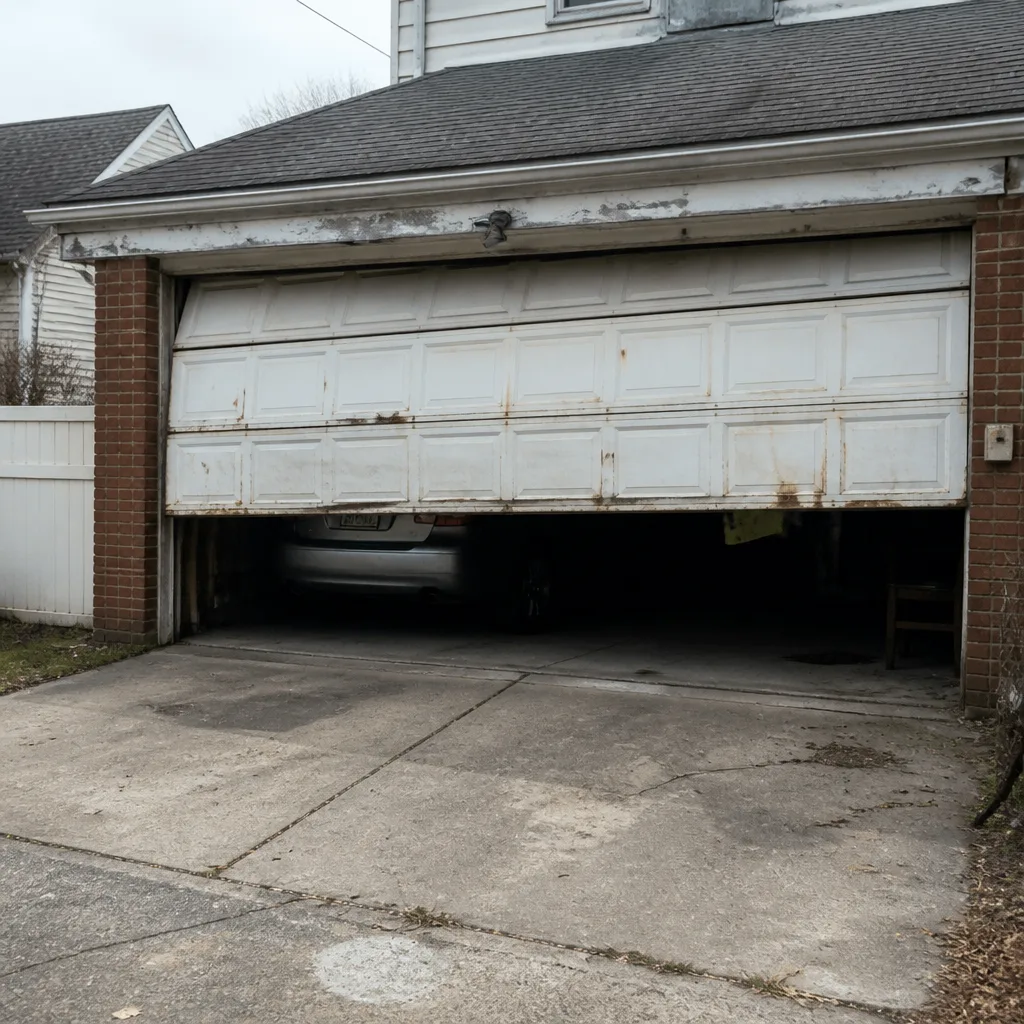 Before
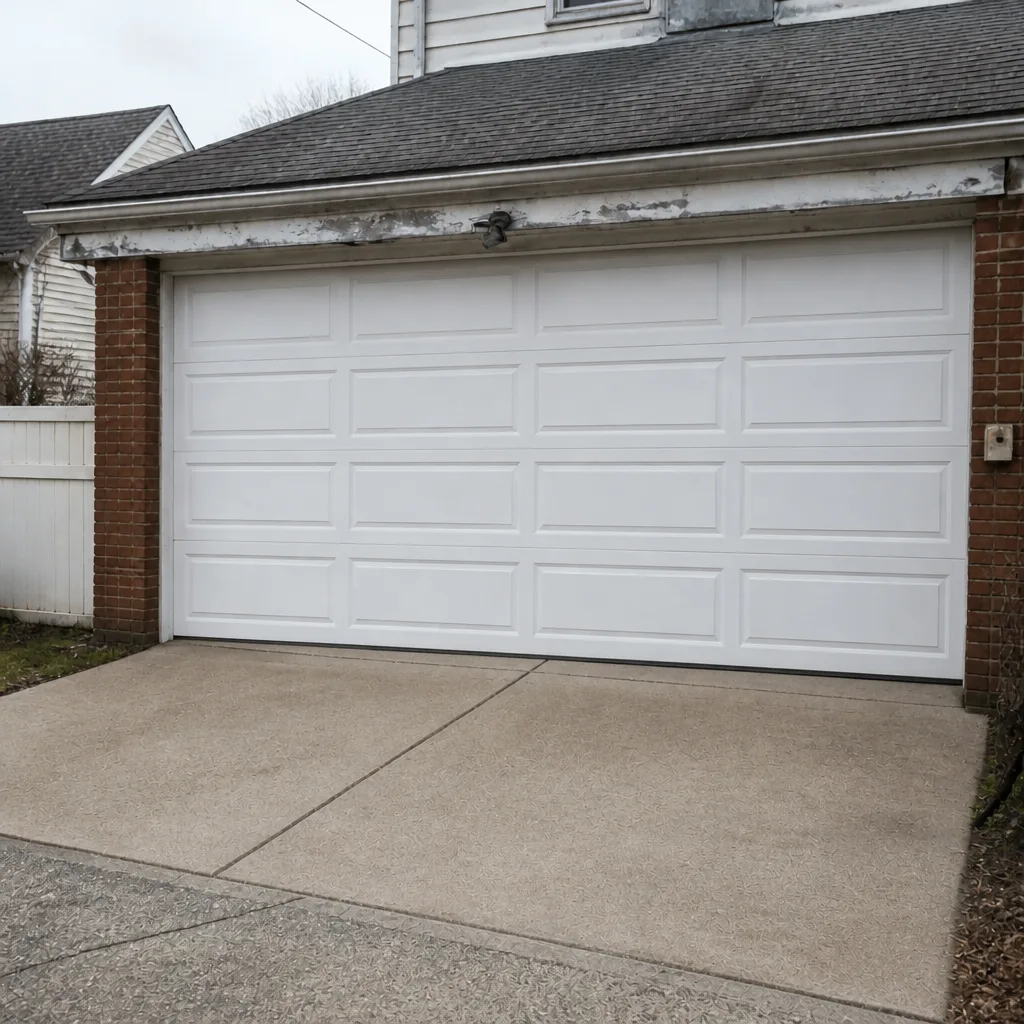 After
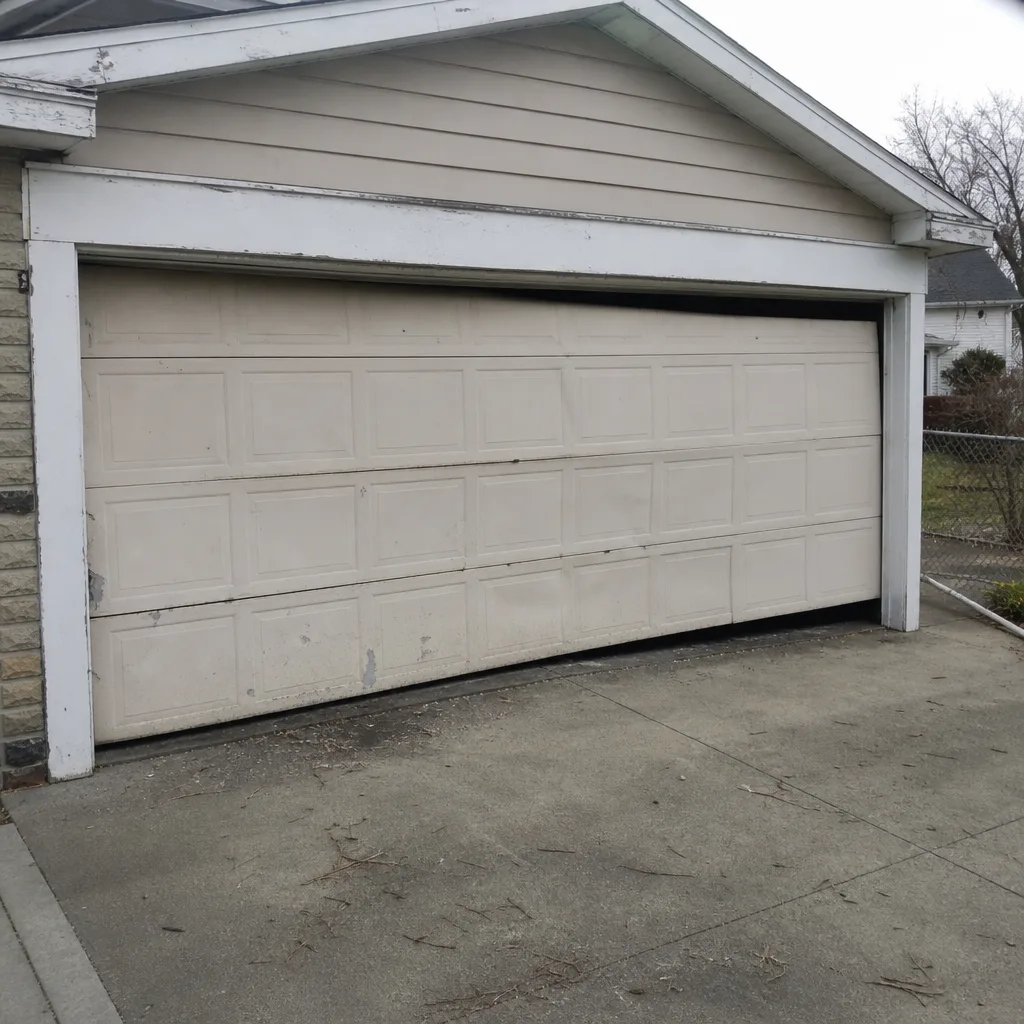 Before
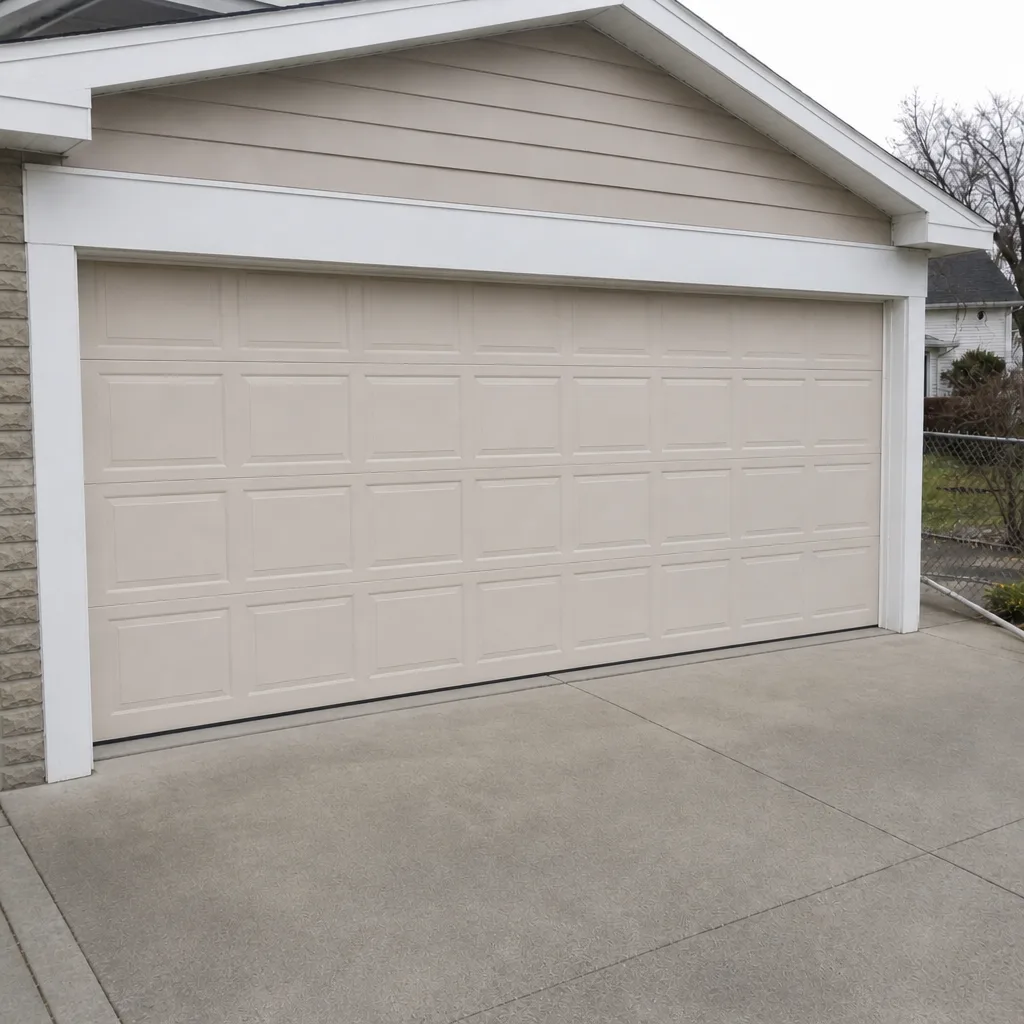 After
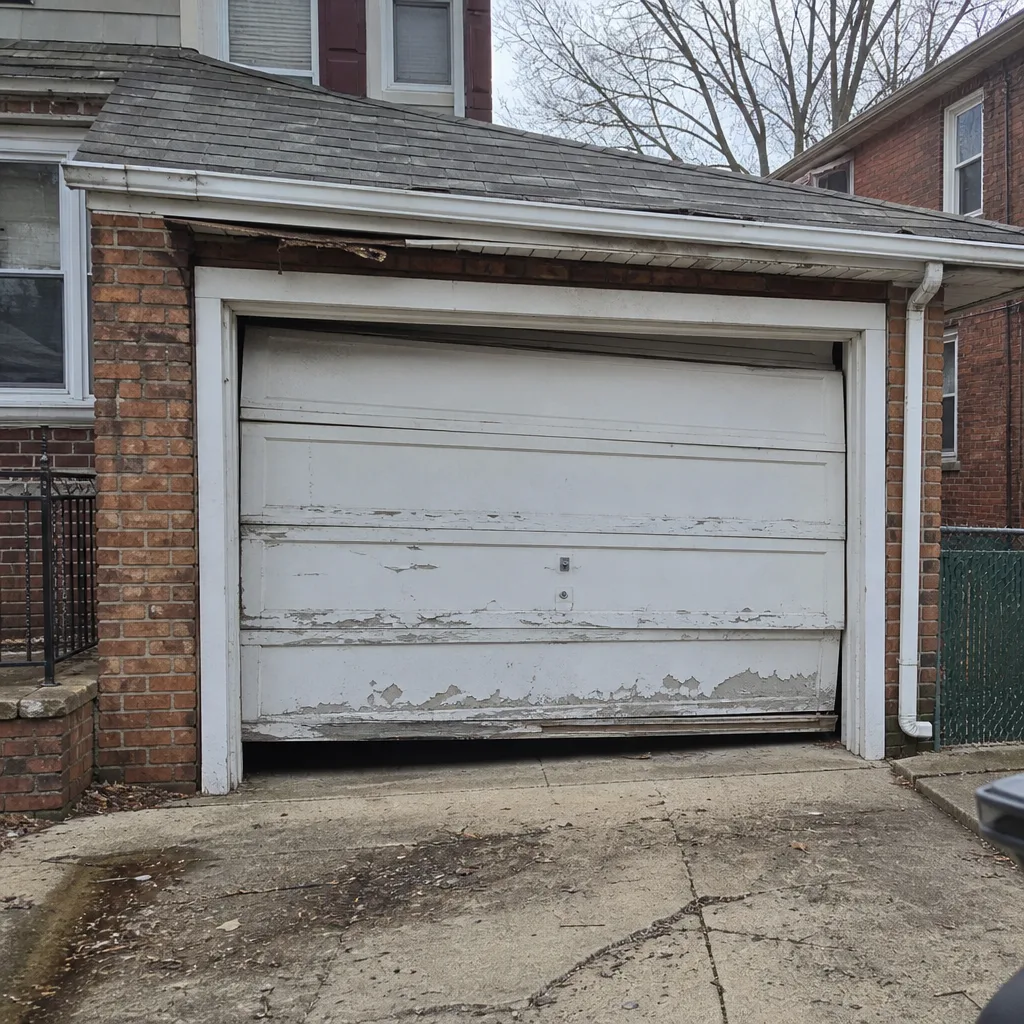 Before
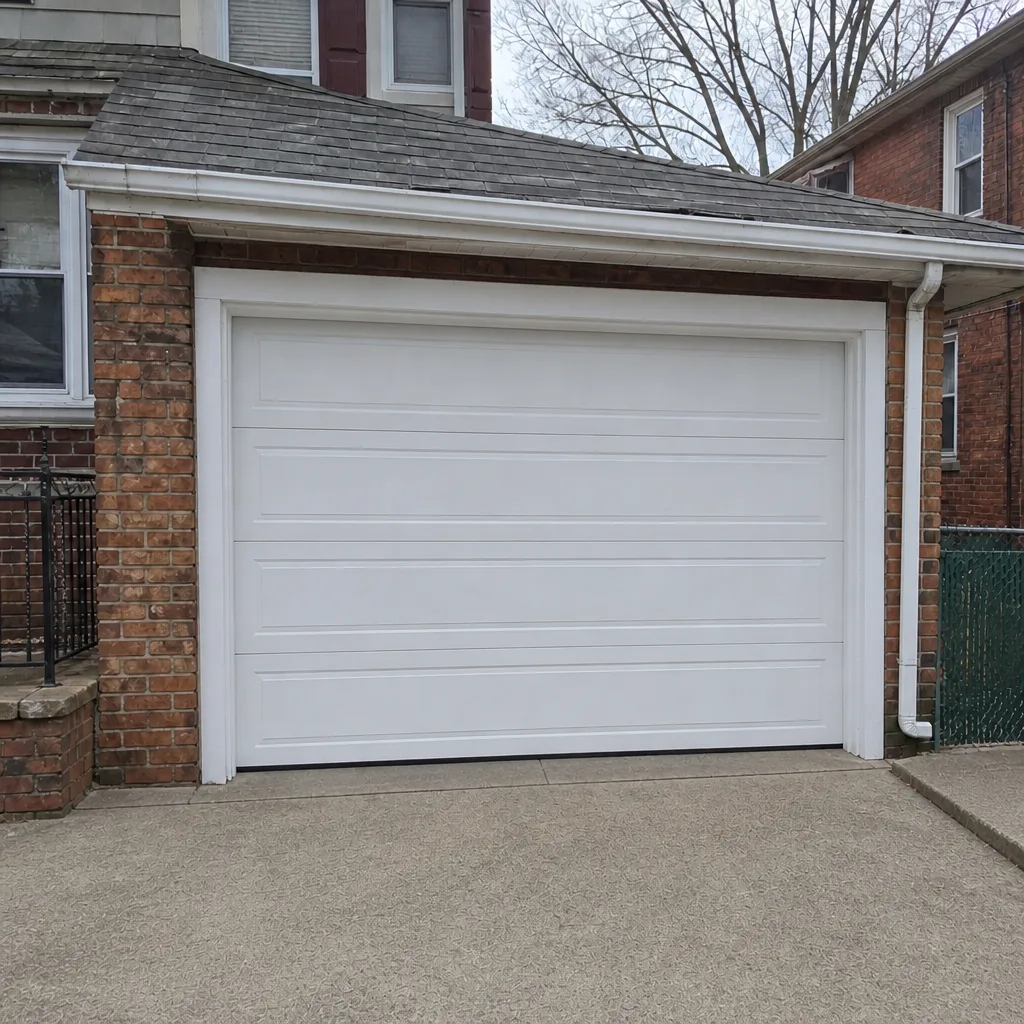 After