Last updated November 21, 2026
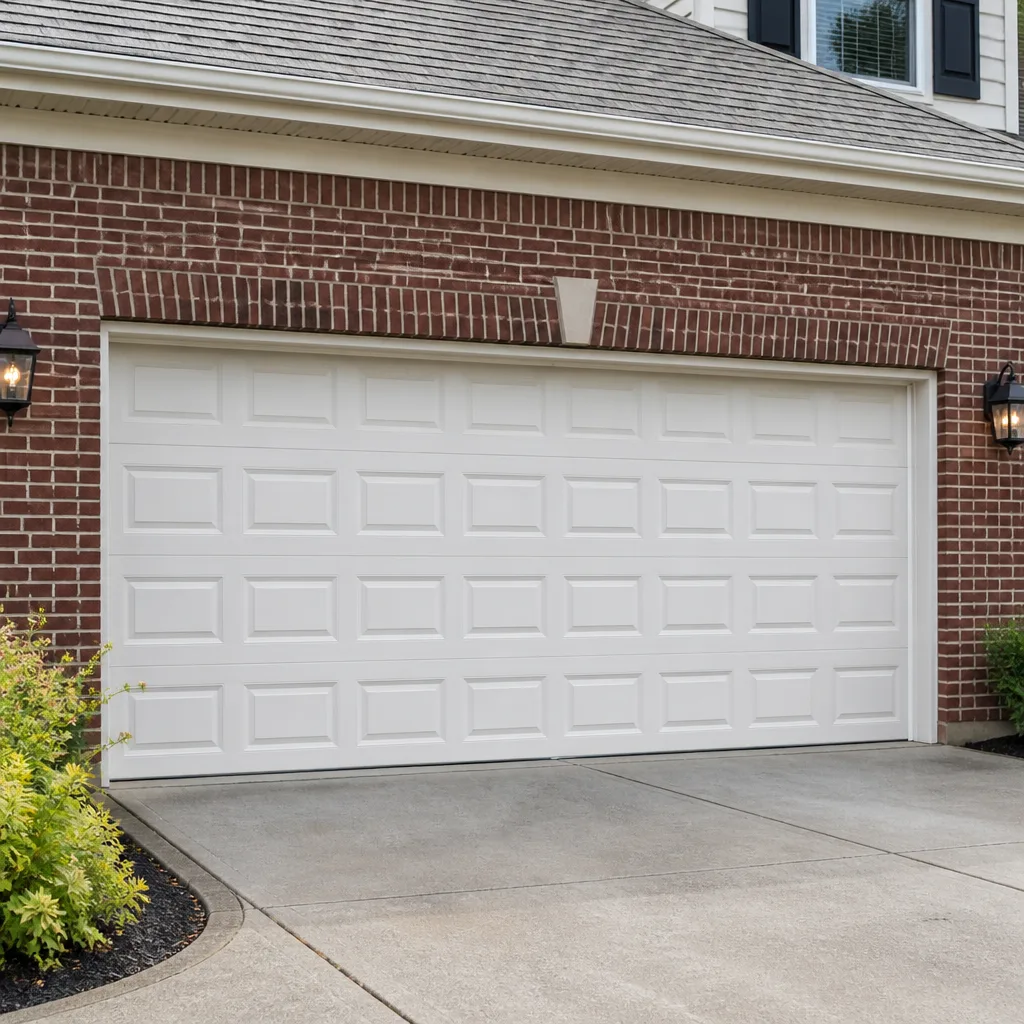 Raised-panel steel
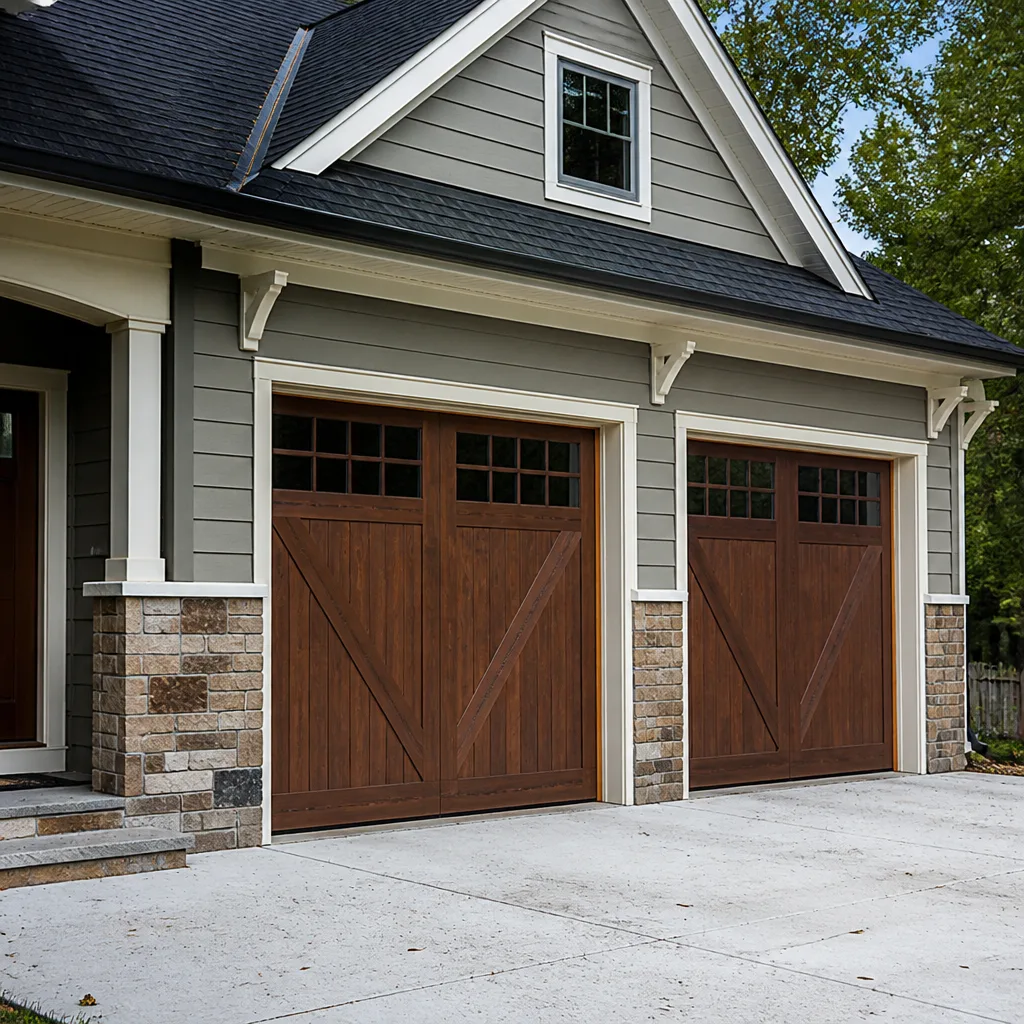 Carriage house
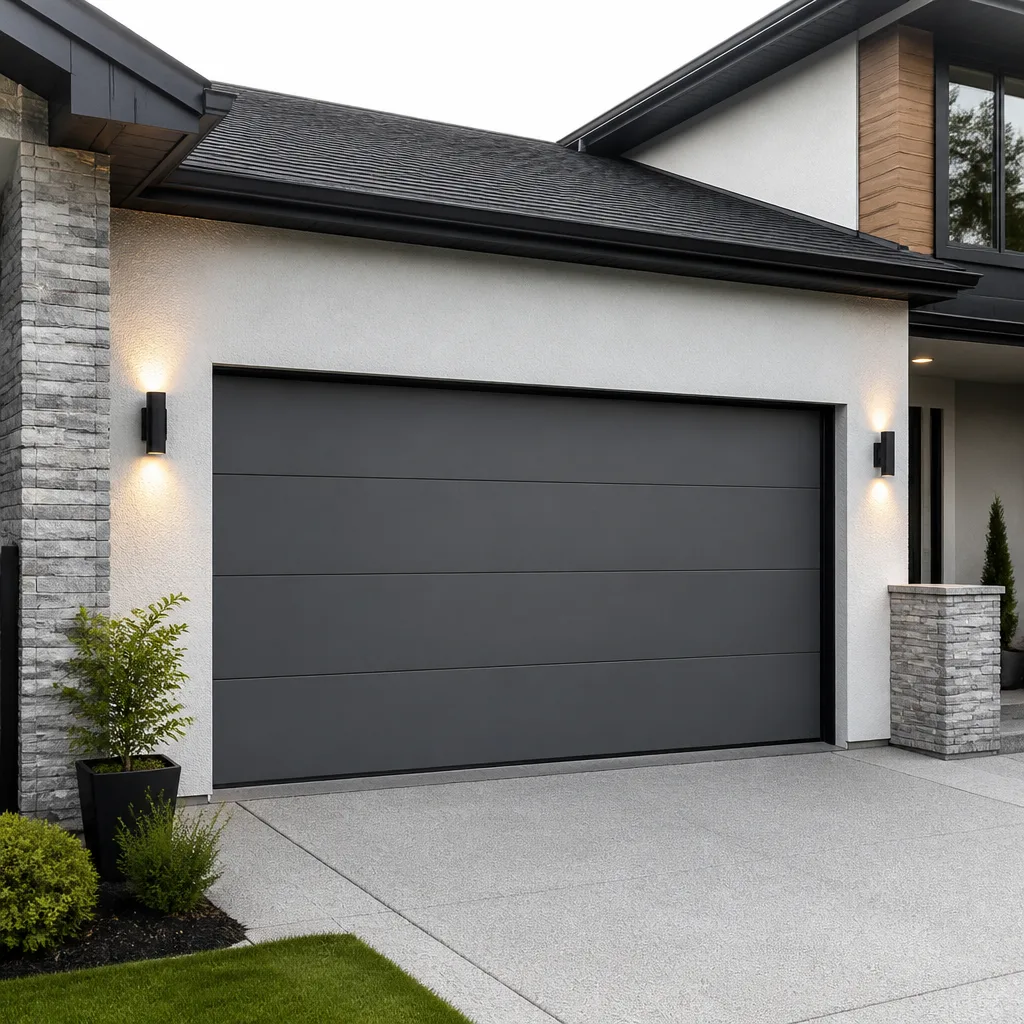 Modern flush
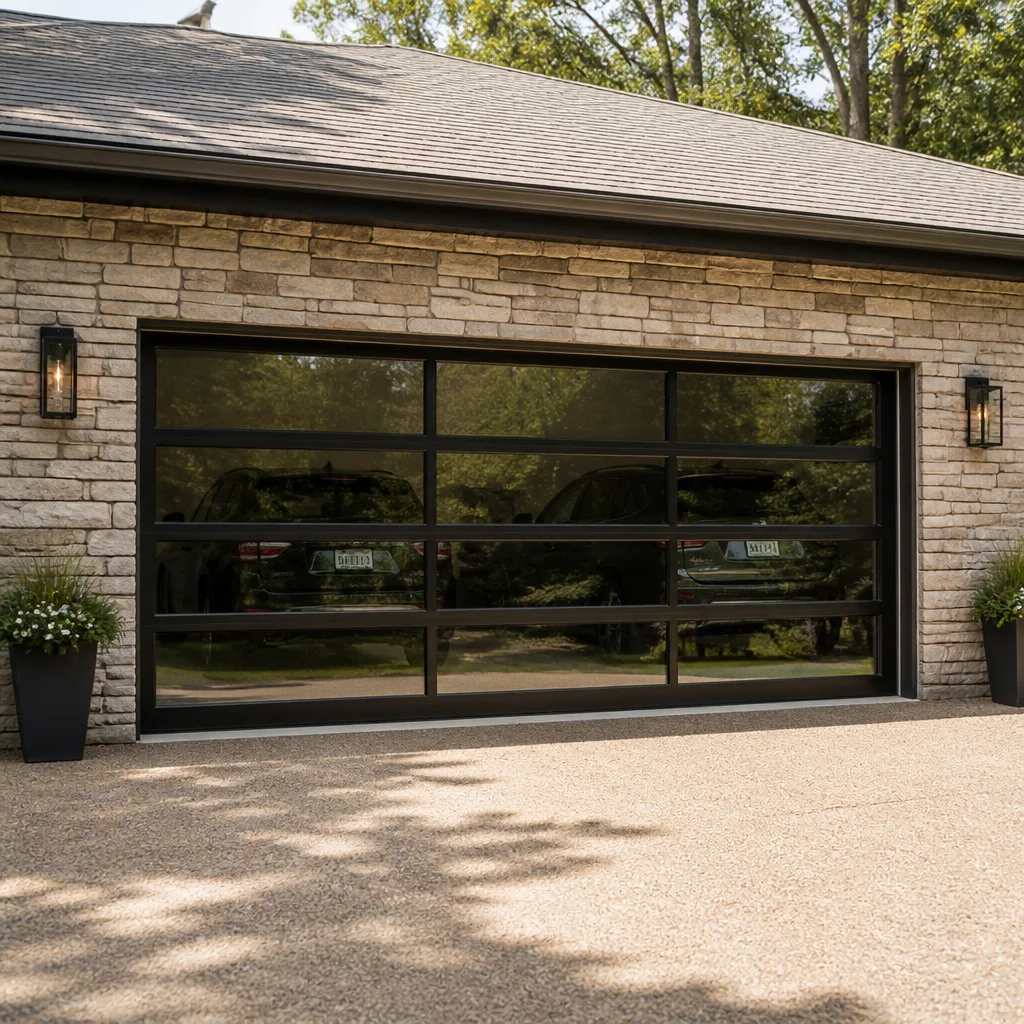 Full-view glass
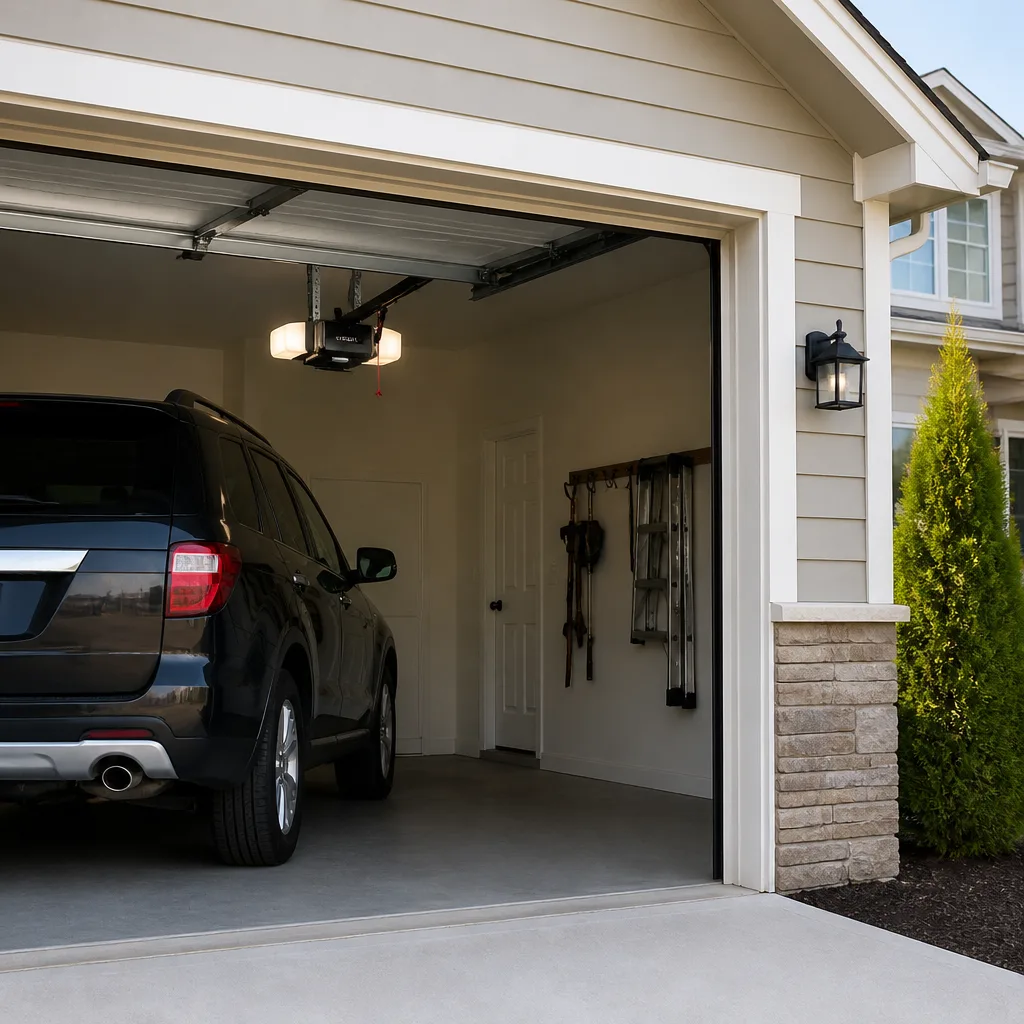 LiftMaster openers
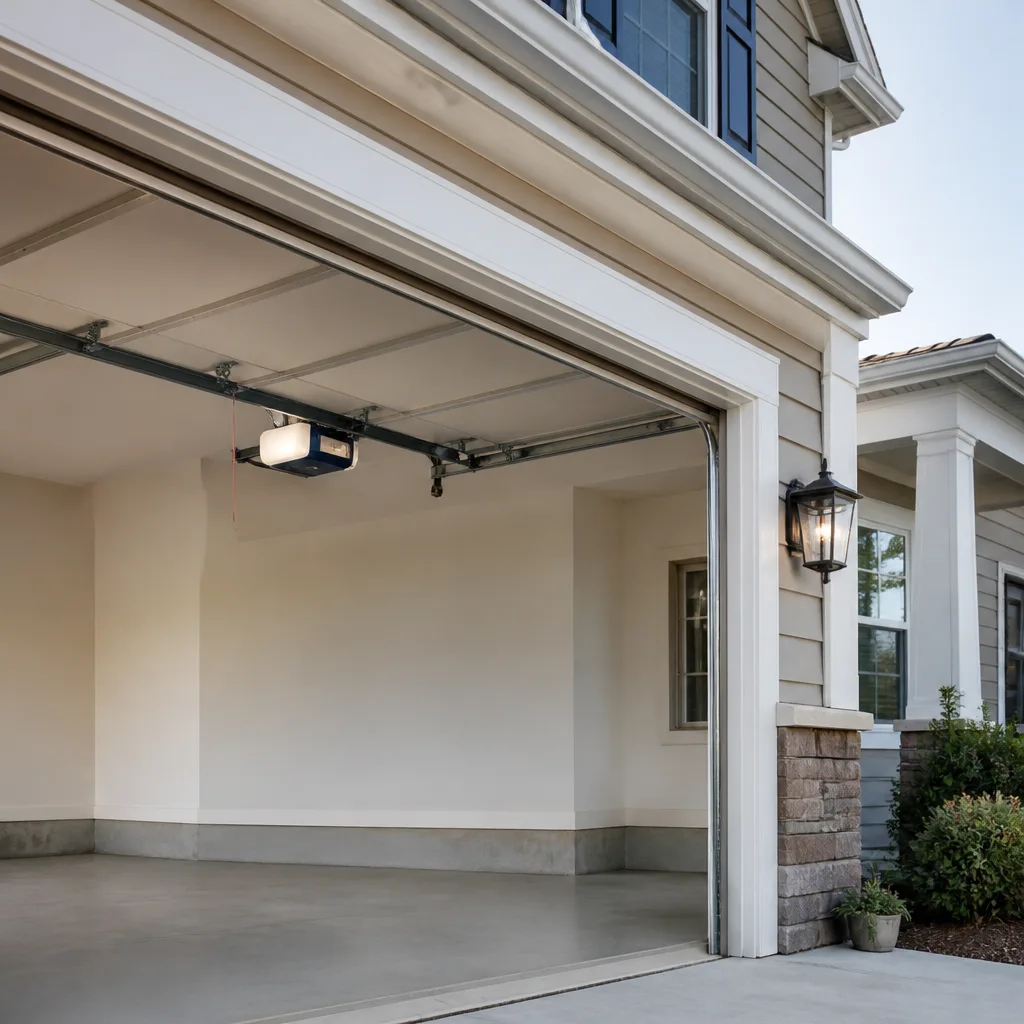 Chamberlain openers
Full 25-point door and opener safety check with every visit - springs, cables, rollers, tracks, and your LiftMaster or Chamberlain opener included
You get a price before we start. It does not change when the pro arrives.
Get your free estimateDIY vs Professional Garage Door: The Fordham Homeowner’s Decision Guide
Most advice on garage doors draws the DIY line in the wrong place. It frames the question as a skill test: are you handy enough? That’s the wrong question. The real dividing line is physics. A torsion spring under tension stores enough energy to break bones or worse if it releases wrong, and no amount of YouTube confidence changes that. But swapping a bottom seal or reprogramming a remote is a fifteen-minute job where hiring someone is just money spent for nothing.
This guide draws that line precisely, task by task, for Fordham homeowners. You’ll learn which repairs you can safely handle, which ones can hurt you, how to spot a tensioned component before you start, and when paying a professional for a short job is the sensible call rather than a rip-off.
Quick Answer
In Fordham, garage door repairs split into two clear groups. Spring, cable, and structural header work should always go to a trained professional because those components store dangerous energy or carry the weight of the whole door. Seals, remotes, sensor alignment, lubrication, and painting are safe for any careful homeowner to handle. If a repair involves a coiled spring or a steel cable under load, stop and call a professional.
Styles & brands we work with
- Raised-panel steel
- Carriage house
- Modern flush
- Full-view glass
- LiftMaster openers
- Chamberlain openers
Table of Contents
- The No-DIY List: Repairs That Can Hurt You
- The Safe DIY List: Jobs Worth Doing Yourself
- How to Spot Hidden Risk Before You Start
- The Cost Math: When Paying a Pro Makes Sense
- NYC Liability: What Happens After a DIY Injury
- Fordham Weather and Your Door
- How a Professional Repair Actually Works
- Common Mistakes to Avoid
- When to Call a Professional
- Frequently Asked Questions
The No-DIY List: Repairs That Can Hurt You
Some garage door parts are designed to hold enormous force, and that force doesn’t care how careful you are. Here’s the definitive list of jobs to leave alone, and the mechanical reason each one is different from ordinary home repair.
Torsion springs
A torsion spring is a coiled steel spring mounted above the door on a steel shaft. When the door closes, the spring winds tight, storing enough energy to lift a door that can weigh hundreds of pounds. When it snaps, that stored energy releases instantly. The winding and unwinding process requires specific rods and a controlled technique, and a slip at the wrong moment sends the rod flying. This is a physics problem, not a skill problem.
Cables under tension
Extension and torsion systems both use steel cables running under load along the sides of the door. Those cables are the second half of the lifting system. A cable that’s frayed or loose can whip free with serious force. Cutting or adjusting a loaded cable is a job that has injured experienced tradespeople, and it’s never a homeowner task, even if the door looks calm and still.
Structural header and track work
The header above your garage opening carries the weight of the door system. If a track is bent, a bracket is tearing loose from the framing, or the header itself is sagging, you’re looking at structural work. That means assessing load-bearing framing and possibly permits from your local building department. In Fordham’s older housing stock, where garages were often built alongside the home decades ago, framing can be softer than it looks. Leave structural assessment to someone who knows what to look for.
These three categories are categorically different from a loose hinge or a squeaky roller. They involve stored energy or structural load, and no homeowner should gamble on either.
The Safe DIY List: Jobs Worth Doing Yourself
Plenty of garage door maintenance is genuinely simple, and paying a technician for a twenty-minute task is money you don’t need to spend. Here are the jobs any careful Fordham homeowner can handle with confidence, along with how each one generally goes.
Bottom seal replacement
- Raise the door and note how the old seal is attached (usually slid into a channel or nailed with the door down).
- Lower the door and pull the old rubber out of its track or pry the nails free.
- Measure the width so the new seal matches.
- Slide or fasten the new seal in place, trimming the ends flush.
This is a good job for a windy Fordham afternoon. A worn seal lets in drafts, water, and pests, and it’s one of the most common sources of a drafty garage.
Remote and keypad reprogramming
Most openers from Genie, LiftMaster, and Chamberlain support a simple pairing process described in the manual. Clearing old remotes and adding new ones is a five-minute job. If you’ve moved into a Fordham home and don’t know who else has a remote, clear the memory and re-pair your own units.
Safety sensor alignment
The two small sensors at the base of the tracks need to see each other across the opening. If the door reverses immediately after starting to close, the sensors are usually misaligned or blocked. Wipe the lenses, check that nothing is in the path, and nudge each sensor until its indicator light stays steady. This fixes most closing problems.
Panel repainting and lubrication
Steel door panels take paint well when cleaned and primed. Lubricating hinges, rollers, and the opener’s chain with a proper garage door lubricant cuts noise and friction. Use a lubricant made for the job rather than general-purpose oil, which attracts grit.
For any repair that turns out to involve more than these basics, our garage door repair team diagnoses the actual cause rather than guessing at parts.
How to Spot Hidden Risk Before You Start
The toughest part of a garage door repair is that a “simple-looking” job can hide a tensioned component underneath. A bent track might be caused by a failing spring. A noisy door might have a cable about to fail. Before you touch anything, run these visual checks.
- Look up at the torsion bar. If you see one or two coiled springs above the door on a steel bar, the whole assembly is under tension. Any work near that bar is professional territory.
- Check the cables along the sides. If a steel cable is frayed, kinked, or hanging loose, stop. Cables under load are dangerous, and a slack cable means the system is already out of balance.
- Test the door’s balance. With the door halfway open and the opener disconnected, it should hold position. If it falls or rises on its own, a spring has failed and the system is unsafe.
- Listen for the warning sounds. A loud bang from the garage usually means a spring snapped. After that, the door becomes heavy and dangerous to lift by hand.
- Inspect the brackets and framing. Any bent bracket, torn strap, or sagging header means load-bearing work, not a quick fix.
If any of these checks turns up a tensioned component or structural issue, that’s your signal to call a professional rather than proceed. In our experience, the repairs that lead to injury are almost always the ones a homeowner thought looked easy.
The Cost Math: When Paying a Pro Makes Sense
There are two ways to lose money on a garage door repair. The first is a failed DIY attempt that damages the door or injures someone. The second is overpaying for a task that took ten minutes. Here’s how to think about the math without guessing at prices.
For repair work in Fordham, the sensible approach is to ask for a written estimate before any work starts. Spring repair is the classic case where the professional is worth it: the danger, the tooling, and the balance adjustment all justify a professional service. The same goes for cables and any structural work. For jobs under twenty minutes, like reprogramming a remote or adjusting a sensor, doing it yourself makes sense unless you simply don’t want to.
The middle ground is where judgment matters. A noisy door might just need lubrication, or it might have a worn roller assembly. A door that reverses on close might have misaligned sensors, or it might have a failing opener logic board. In those cases, a professional diagnosis saves you from buying the wrong part. Our garage door opener repair specialists test the opener itself before recommending anything.
The key rule: get the price quoted and agreed before work begins. A written estimate puts the number on paper, and the written estimate sets the final price. That removes the fear of a bill bigger than the quote.
NYC Liability: What Happens After a DIY Injury
This is the part nobody likes to think about, and it’s the reason the spring category matters so much. If a DIY garage door repair in Fordham injures someone – a family member, a neighbor helping, a contractor working nearby – your homeowner’s insurance will investigate the cause.
Insurance policies typically ask whether the work was done by a qualified professional and whether the injury resulted from unpermitted or improper work. A DIY spring repair that goes wrong can complicate a claim, because the investigation will look at who performed the work and how. That’s not a scare tactic. It’s the plain reality of how liability claims get examined.
The practical takeaway: keep the dangerous work with trained, qualified professionals, and keep a record of who did the work. For safe DIY jobs like seals and remotes, there’s no liability concern at all. For springs and cables, the paperwork trail matters. If you’re unsure whether a repair falls into the risky category, ask before you start. Our Garage Door Repair Fordham team can tell you over the phone whether the job is safe to handle yourself.
Fordham Weather and Your Door
Fordham’s weather swings from humid summers to freezing winters, and those swings work on your garage door year-round. Steel tracks expand and contract with temperature, so doors that run smoothly in spring can bind in a cold snap. Rubber seals harden in winter, and old seals crack. Springs lose tension in cold weather, which is exactly when a tired spring tends to fail.
Several other local factors matter too. Fordham’s dense housing means many garages sit close to homes and share walls, so a door that’s left stuck open at night is a real security concern. Driveways here are often tight, and a door that reverses at the wrong moment can hit a car. The area’s mix of older homes and newer builds means you’ll find everything from older single-panel doors to modern insulated units, from Wayne Dalton and Clopay to Amarr and Genie systems.
That variety is why brand knowledge matters. A technician who works across the major brands can tell the difference between a worn Clopay roller and a failing Genie opener without guessing. Seasonal maintenance is the best defense against the local climate: a lubrication pass before winter, a seal check in spring, and a balance test every season. That routine keeps small issues from becoming spring failures in January.
How a Professional Repair Actually Works
When you call a professional for a repair that’s beyond the safe DIY list, here’s what a typical visit looks like. Knowing the process removes the uncertainty that keeps people from calling at all.
- Diagnosis. The technician inspects the springs, cables, tracks, brackets, and opener, and tests the door’s balance.
- Written estimate. You get the price in writing before work starts, so there’s no surprise at the end.
- Controlled repair. Springs and cables are replaced using proper winding rods and tension control, then the door is balanced.
- Testing. The door is cycled through open and close, the safety sensors are checked, and the opener’s force settings are verified.
- Walkthrough. The technician explains what was replaced and what to watch for next.
For a full door replacement, the process is different. A new door has to be measured and ordered before it can be installed, so this work is scheduled rather than done the same day. Our garage door installation service starts with a free measure and a written price, and the installation is scheduled once the door is in. Springs are replaced individually, and a matched pair is usually replaced together because they wear as a set.
Emergency situations are their own category. If a door is stuck open at night or won’t close, that’s a security problem and can’t wait for a scheduled visit. Our technicians have up to 9 years of experience, and emergency garage door service is a real offering, not a callback queue. One call reaches one specialist who handles both the door hardware and the opener, so you’re not juggling two vendors.
Common Mistakes to Avoid
- Assuming a loud noise is “just the opener.” A sharp bang from the garage usually means a spring broke. Treat it as a spring failure until a professional confirms otherwise.
- Trying to lift a door with a failed spring. Once a torsion spring breaks, the door becomes far heavier than usual. Never force a heavy door up by hand.
- Paying for a job you can do in ten minutes. Remote pairing and sensor alignment are basic tasks. Some shops will happily take a service call for them, so ask what the job actually needs before you book.
- Ignoring a frayed cable. In Fordham’s older housing stock, a worn cable is a common failure waiting to happen. Don’t wait for it to snap.
- Using general-purpose oil on the tracks. It attracts grit and makes things worse. Use a lubricant made for garage doors and skip the tracks themselves.
- Skipping the written estimate. Any repair should come with a price agreed before work starts. If a quote is verbal only, ask for it in writing.
- Assuming any brand will do. If you have a Wayne Dalton or Amarr door, ask whether the technician works on that system. A generalist may not be familiar with your specific hardware.
When to Call a Professional
Call a professional for anything involving a torsion spring, a loaded cable, bent tracks tied to the structure, a door that won’t balance, or a bracket pulling out of the framing. Call for a door that reverses on close after you’ve already checked the sensors, and for any opener issue that continues after basic troubleshooting. Call for a door stuck open at night or one that won’t close at all, since that’s a security problem.
Garage Door Repair Fordham offers free estimates in Fordham, and our team works on the brand you already have, from Clopay and Amarr to Genie and Wayne Dalton. We can tell you over the phone whether your job is safe to handle yourself. Call (855) 901-9670 for a free estimate, and the price is quoted and agreed before any work starts.
Frequently Asked Questions
No, garage door spring replacement should always be left to a trained professional. Torsion springs store enough energy to cause serious or fatal injury, and the winding process requires special rods and controlled technique. Call (855) 901-9670 for a free estimate; spring repair is a service we handle directly.
Bottom seal replacement, remote and keypad reprogramming, safety sensor alignment, and panel repainting are all safe for a careful homeowner. Lubricating hinges and rollers is also fine. Anything involving a spring, cable, or structural bracket is not.
The written estimate sets the final price, and we quote and agree on it before any work starts. For a repair, ask for that estimate up front so you’re never surprised. Call (855) 901-9670 for an exact quote, since estimates are free.
For emergency situations like a door stuck open at night or one that won’t close, emergency garage door service is a real offering and we can typically help the same day. For installation or replacement work, the door is measured and ordered first, so that work is scheduled rather than same-day.
The price is quoted and agreed before any work starts, so the written estimate is what you pay. If the inspection turns up something beyond the original job, you’ll hear about it before anyone touches anything.
We work on the brand you already have, including LiftMaster, Chamberlain, Genie, Clopay, Amarr, Wayne Dalton, Craftsman, and Raynor systems. That covers most residential and light-commercial doors and openers found in Fordham. Call (855) 901-9670 to confirm your model.
The Bottom Line
The DIY vs professional decision isn’t about whether you’re handy. It’s about whether the repair involves stored energy or structural load. Springs and cables go to a professional, every time. Seals, remotes, sensors, lubrication, and paint are yours to handle. Before any repair, run the visual checks for a torsion bar, frayed cables, and an unbalanced door. When you do call a professional, get the written estimate first, confirm the price before work starts, and ask whether the technician works on your brand. That’s the whole guide in a few lines, and it’s the difference between a quick fix and a bad day in Fordham.
Written by the team at Garage Door Repair Fordham.
See the difference
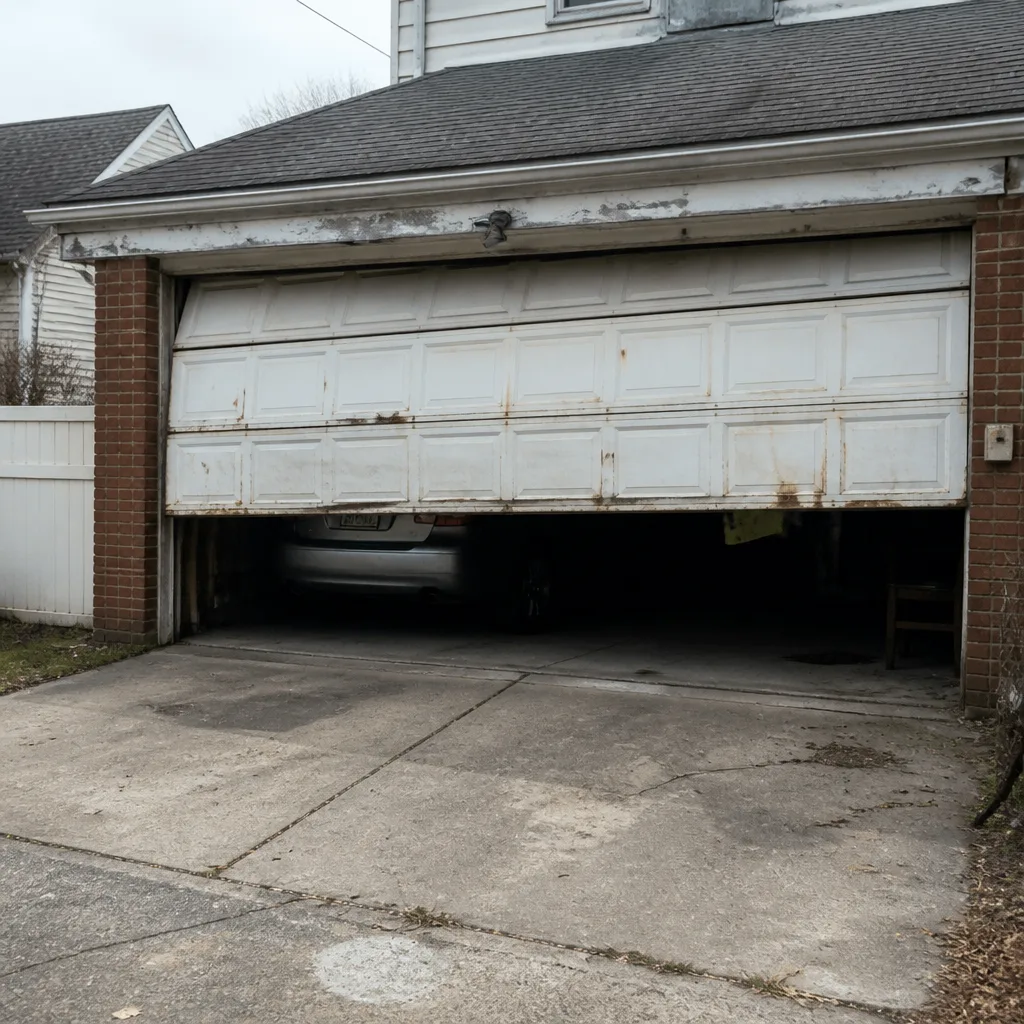 Before
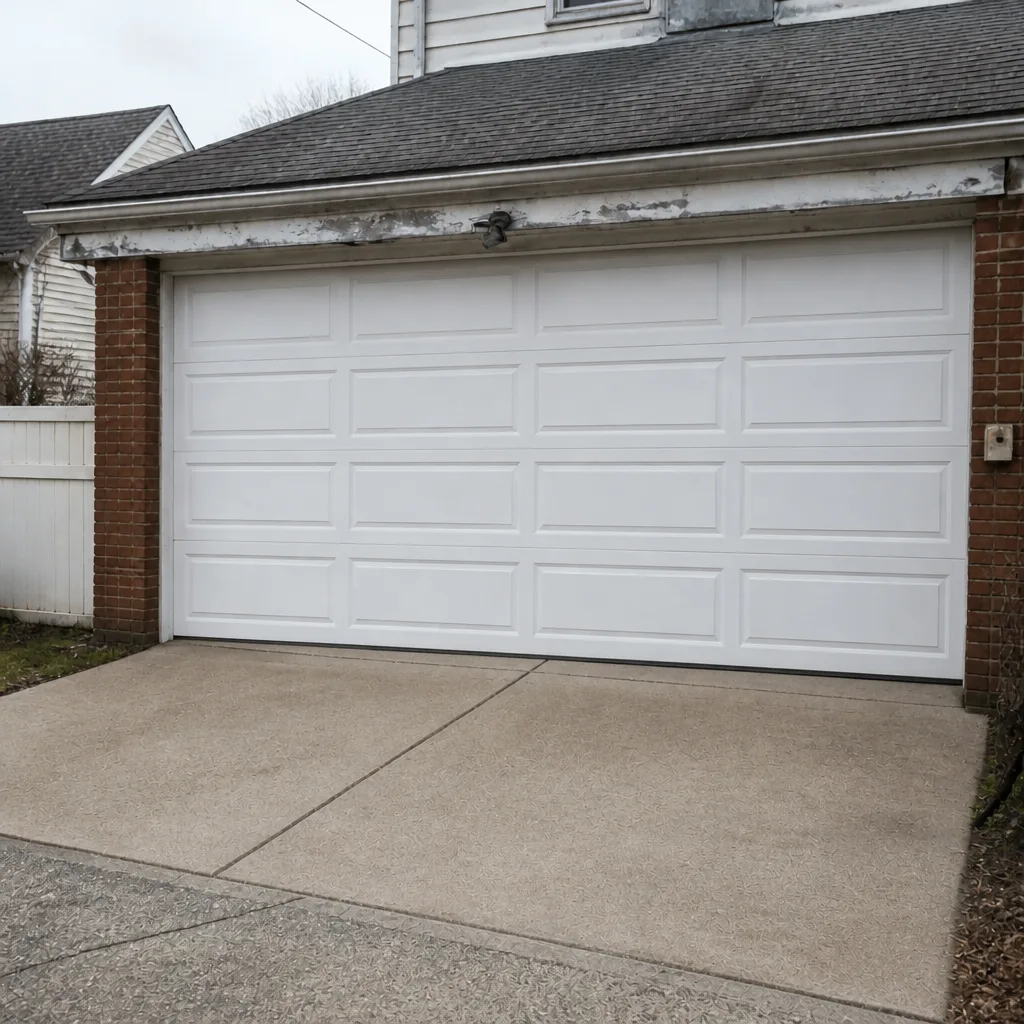 After
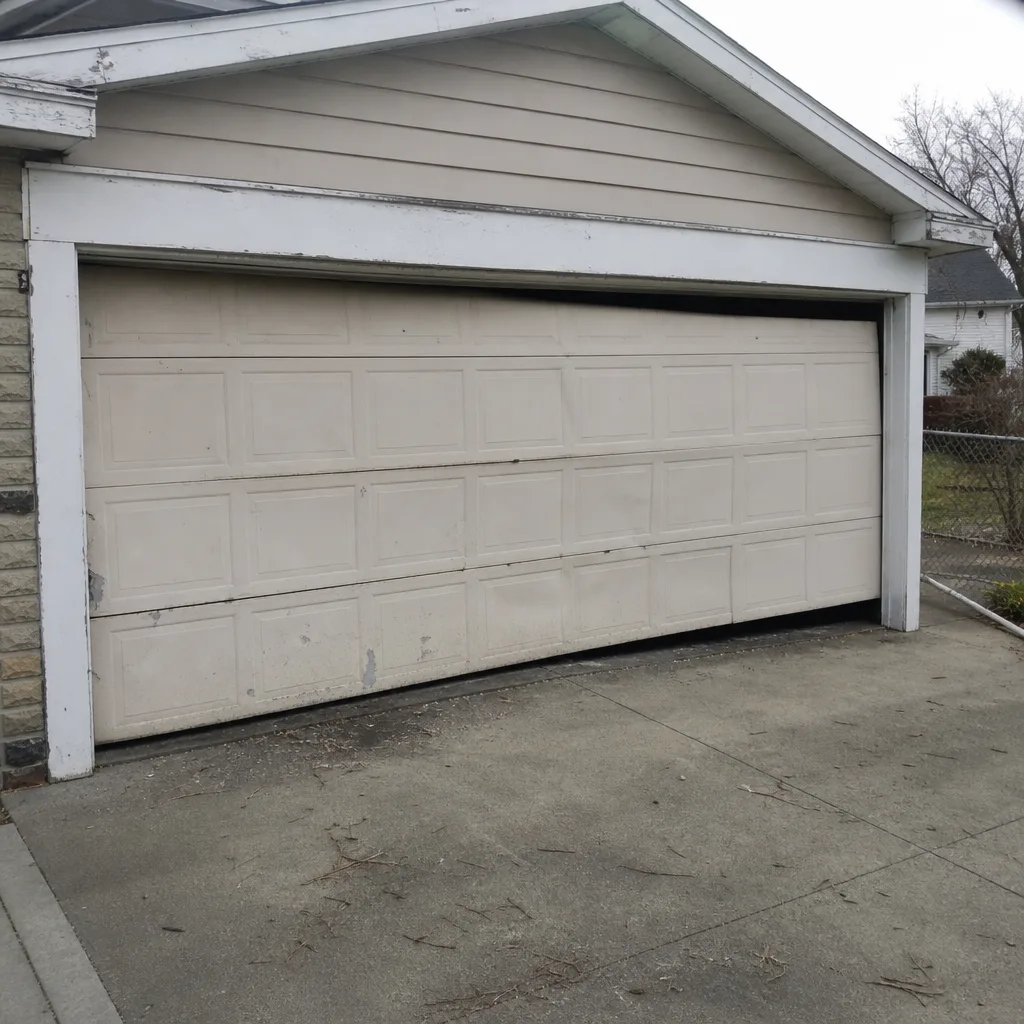 Before
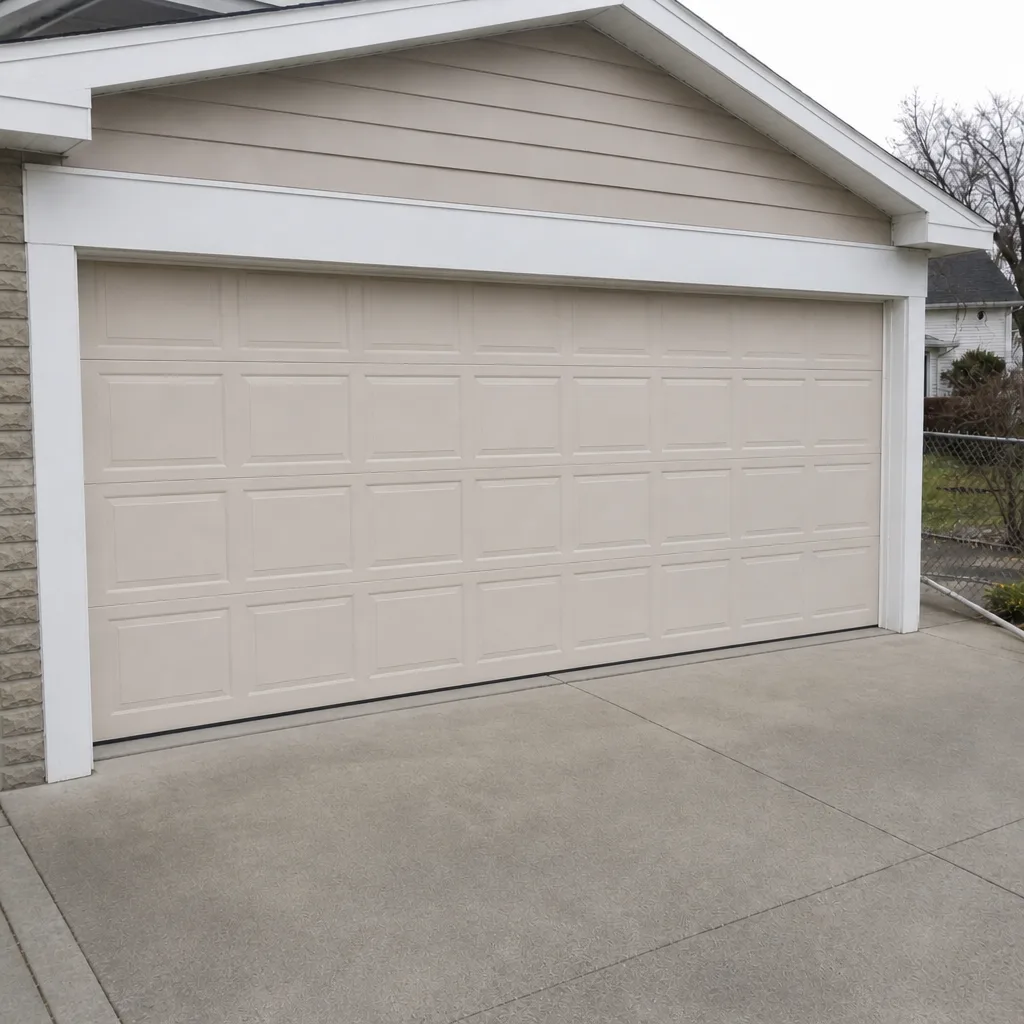 After
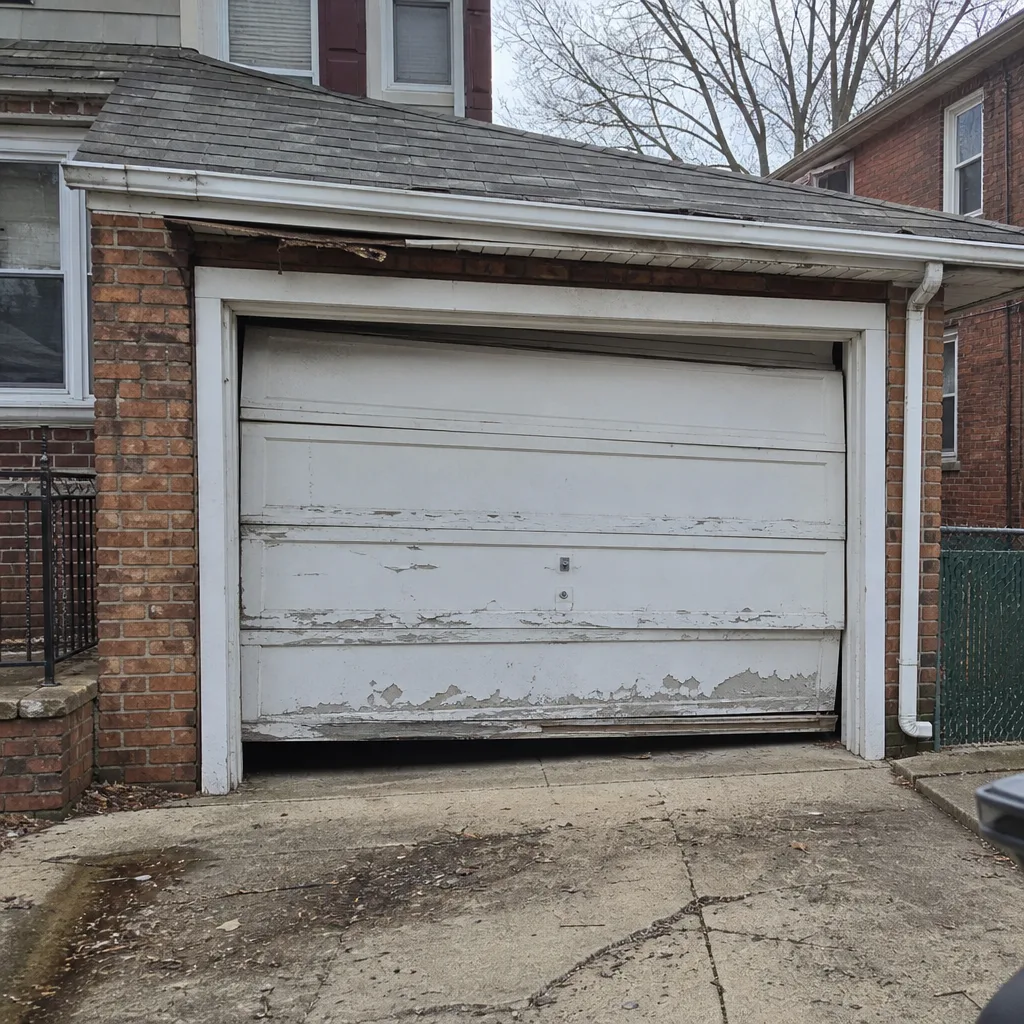 Before
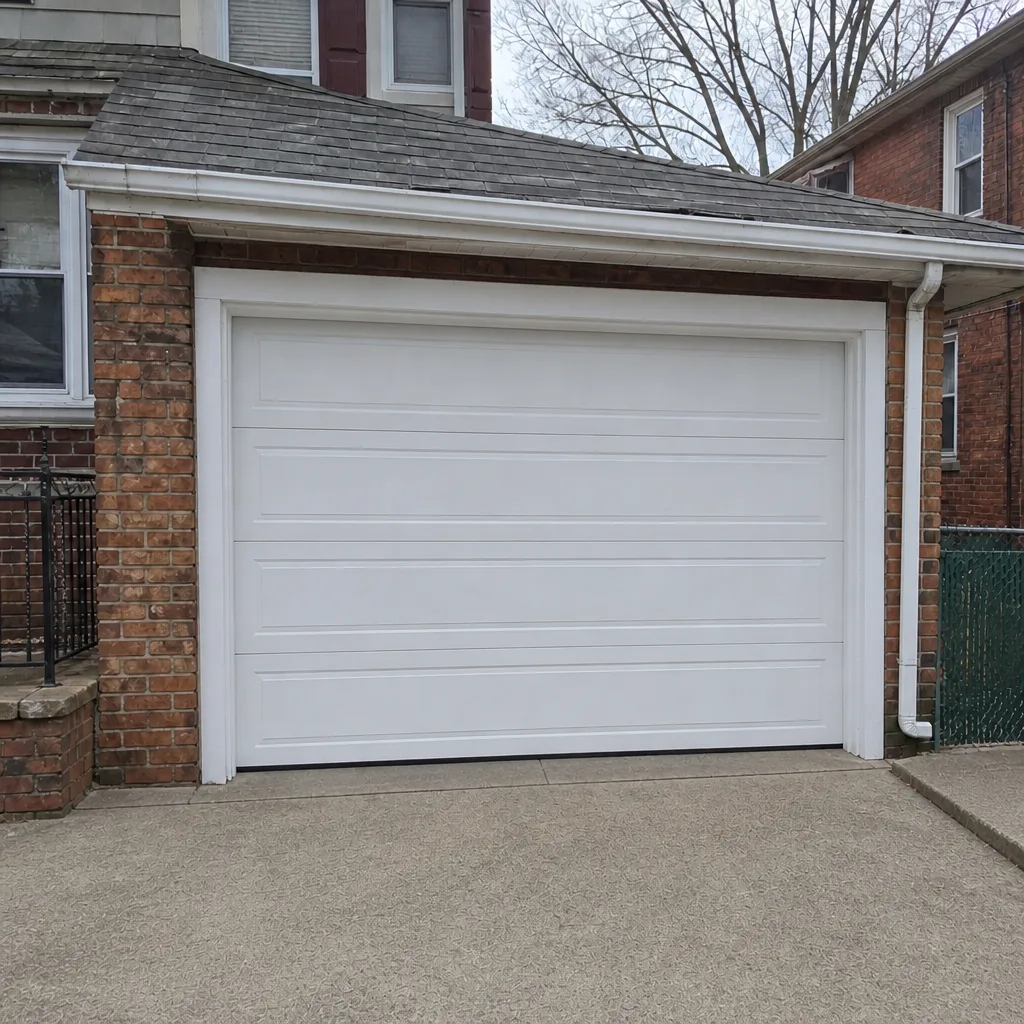 After